Can You See the Northern Lights in June? Arctic Daylight Explained
Do not book June as a northern-lights holiday in the usual Arctic destinations. Auroral activity can continue, but the sky in Tromsø, Svalbard, Lapland, Fairbanks and Iceland is too bright for normal viewing. A stronger space-weather forecast does not remove daylight.
The University of Alaska Fairbanks forecast guide explicitly separates the sunlit and dark parts of Earth and notes that auroras cannot be seen during daytime. June's problem is the local light window, not a seasonal switch that turns off the aurora itself.
Midnight sun and white nights are different
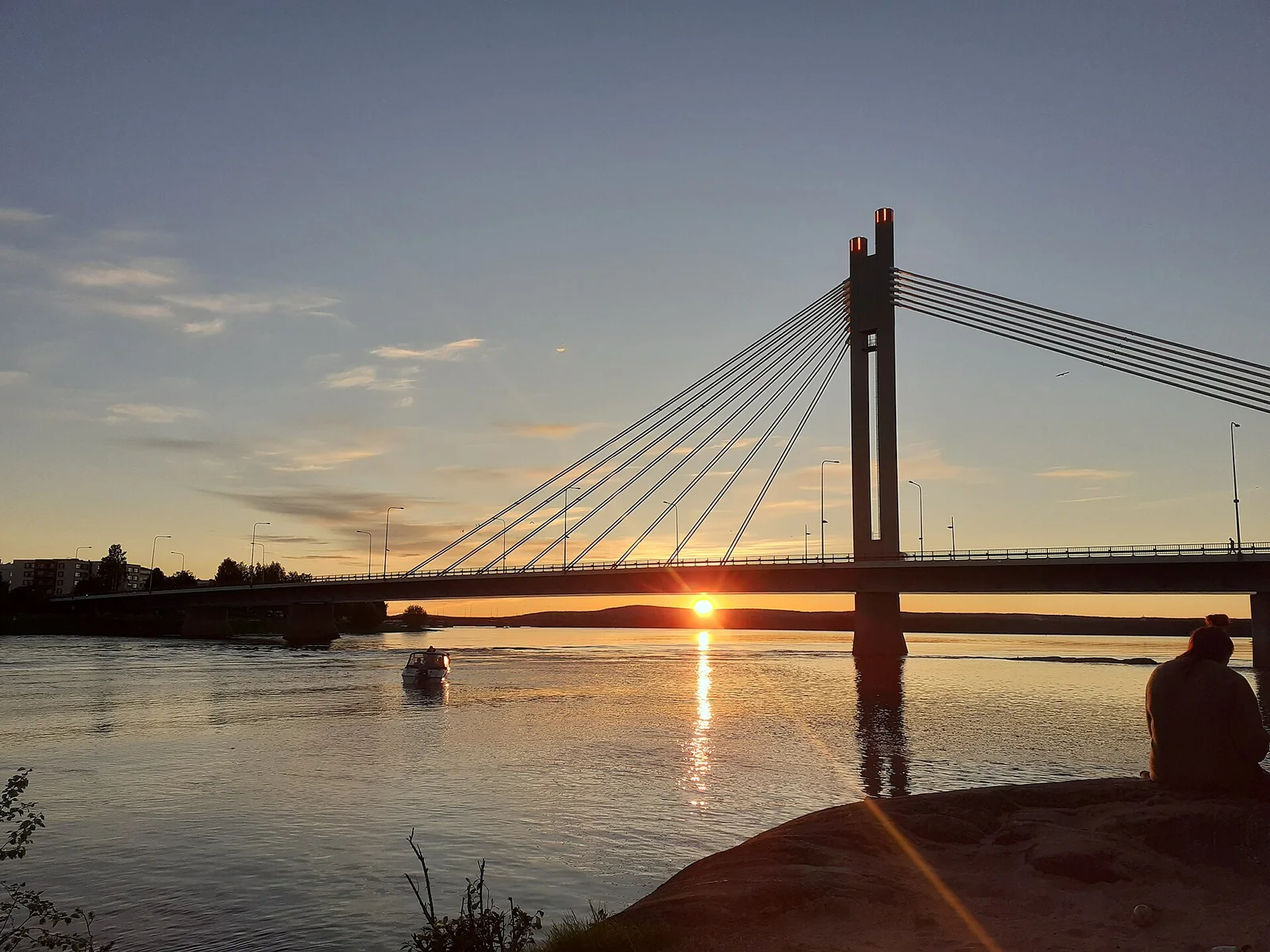
True midnight sun means the sun does not set over an unobstructed horizon. White nights can remain bright even where it does set. The June solstice is the turning point when the northern hemisphere tilts most towards the sun; it is not the only date on which northern places have continuous daylight.
Visit Norway's published dates give Tromsø 20 May–22 July and Svalbard 20 April–22 August. Those places have midnight sun throughout June. Fairbanks is south of the Arctic Circle, so its bright summer nights are not the same as a sun that stays above the horizon. Nor does a midnight timestamp prove the sun never set: time zones shift clock time relative to solar midnight.
Reykjavík offers a useful contrast. The 21 June 2026 table gives about 21 hours 8 minutes between sunrise and sunset, with civil twilight through the remaining interval. That is a very bright night, not 24 hours of direct sunshine. Cloud can hide the sun in either case; it does not create a useful dark winter sky.
If June is fixed, choose the trip for its light
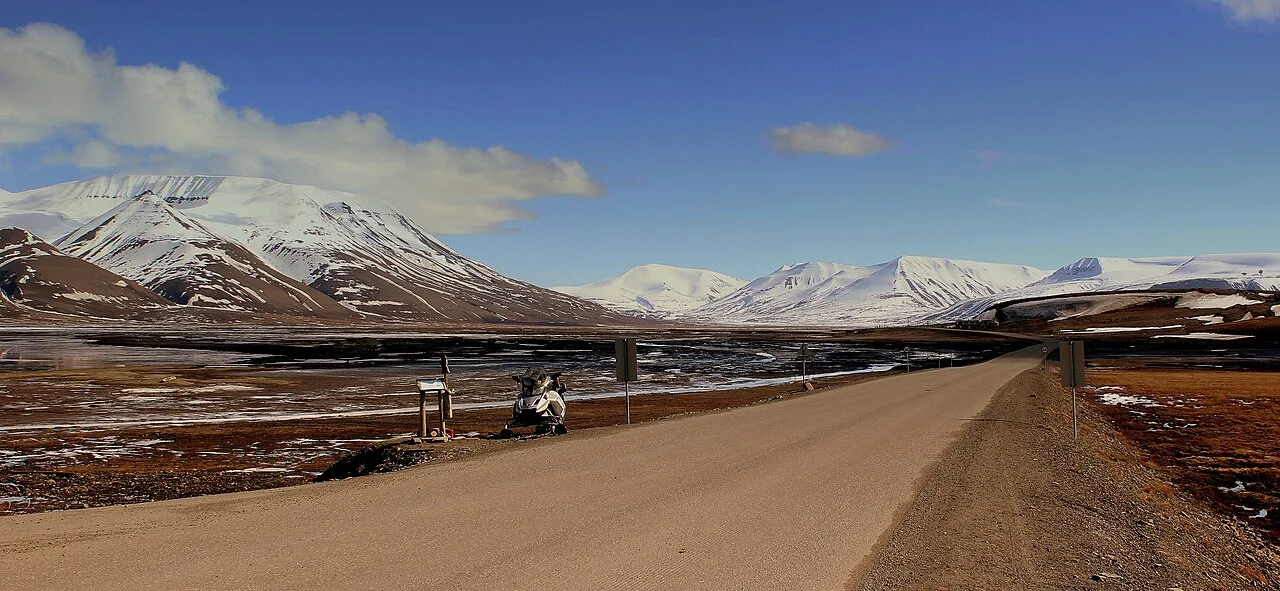
For a Norway trip, start with the midnight-sun guide and northern Norway route. Pick an open northern horizon and a date inside the local midnight-sun window. Treat a boat or guided walk as an actual scheduled excursion, not something automatically operating all night because it is light.
For Alaska, the Fairbanks–Arctic Circle itinerary distinguishes city twilight from going north to the sun itself. It also allows recovery after a long Dalton Highway day. Do not buy a summer Circle crossing assuming it includes a midnight stop or an aurora outing.
For photography, exchange a dark-sky shot list for low-angle landscapes, reflections and ordinary streets in unusual late light. Pack a sleep mask, confirm blackout curtains and preserve a normal sleep block. Long daylight does not mean a mountain trail is snow-free or a road is open.
If aurora is the reason for flying
Move the journey to a destination's published dark-season window rather than adding extra June nights. Visit Tromsø describes late August to early April, not June. Start with September planning or the late-August transition; the exact base and date still matter.
May and July are not simple fixes for the same summer booking. May has an early-month, lower-latitude twilight distinction, while July remains a bright summer month in the far north. Neither should be sold as a classic Arctic aurora trip.
June is winter in the southern hemisphere. The southern-lights guide is a separate route decision, not a promise that shifting to Tasmania or New Zealand guarantees a display. Local cloud, access and activity still have to align.
Could an exceptional June storm change the answer?
Exceptional sightings farther south do not make a normal Arctic June holiday an aurora product. Check the exact location's sky conditions if already there; do not turn an unusual photograph into a reliable seasonal booking claim.
Should I pay for an Arctic June aurora chase?
Not on the expectation of ordinary dark-sky viewing. Ask the operator to identify the actual date, location and what the outing delivers. Summer scenery, wildlife and midnight-sun departures are different products from winter aurora chases.