
7-Day Midnight Sun Norway Itinerary: Tromso, Senja and Lofoten in Summer
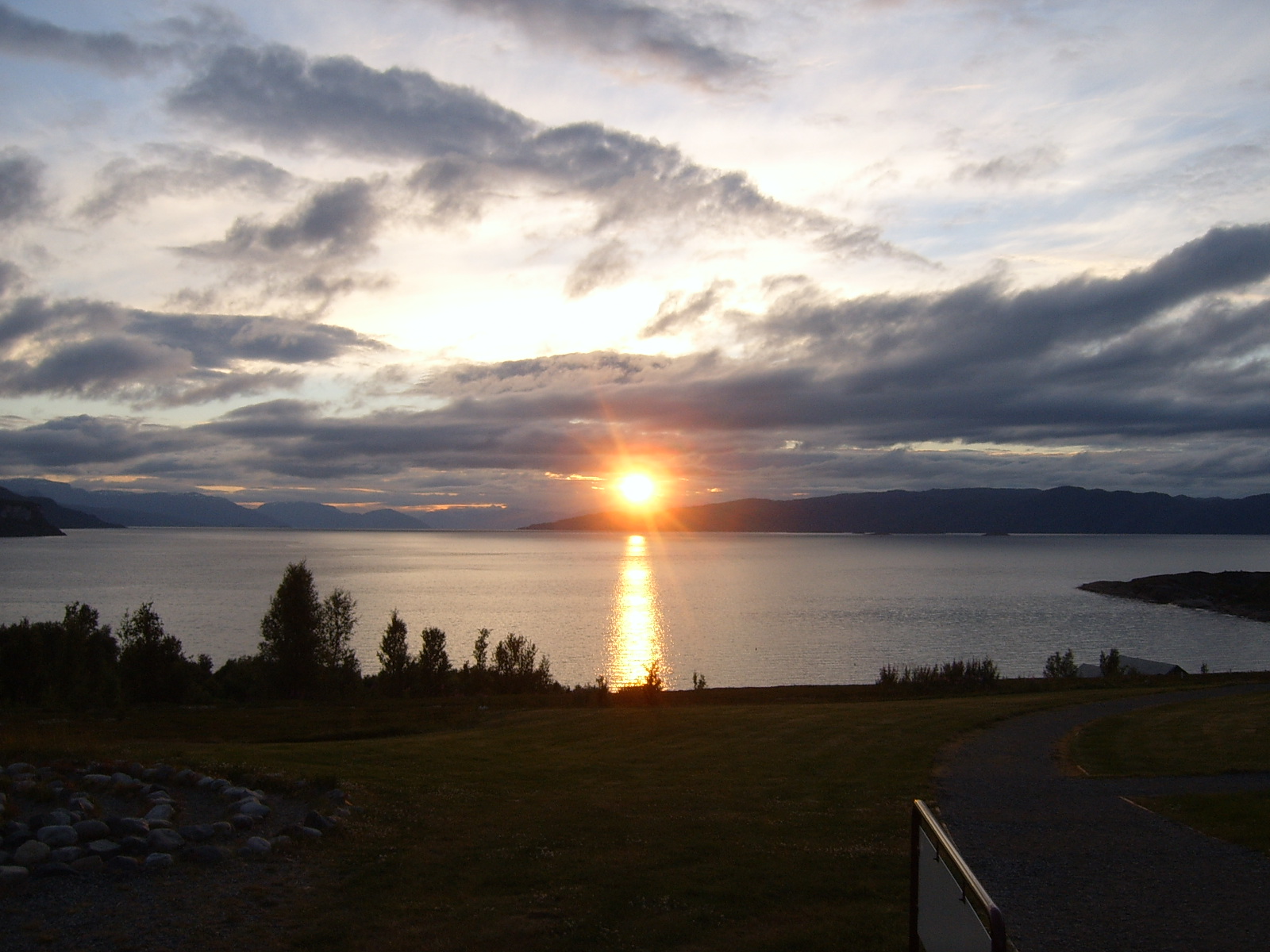
May is when Arctic Norway starts to change character. The aurora season is over, the snowline retreats up the mountains, ferries become more useful than snowmobiles, and the light stops behaving like normal light. By late May in Tromsø, the sun no longer sets. In June and early July, the coast from Tromsø through Senja and Lofoten sits under a long golden evening that can last for hours.
This itinerary is for travellers who want the Arctic summer version of northern Norway: fjords, fishing villages, hiking, photography, whale-and-sea-eagle scenery, and late-night drives under the midnight sun. It is not a race through every famous viewpoint. One week is enough for a brilliant trip if you accept one rule: go slower than the map suggests. Roads are narrow, ferries set the rhythm, and the best moments are often the unplanned stops beside an empty beach at 11:30pm.
Who This Route Is Best For

This route suits independent travellers with a rental car who want scenery and flexibility more than city sightseeing. It works especially well for photographers, couples, small groups, and families with older children who can handle longer drives. It is less ideal if you dislike self-driving, need guaranteed warm weather, or want a classic resort holiday.
The itinerary starts in Tromsø, loops through Senja, then continues south to Lofoten. You can finish in Svolvær, Evenes, or Bodø depending on flight prices and rental-car terms.
Best Time: Late May to Mid-July

The midnight sun period varies by latitude. Tromsø usually has midnight sun from around 18 May to 25 July. Lofoten, slightly farther south, has continuous daylight from late May to mid-July. The sweet spot is early June to early July: roads are open, snow remains on peaks for contrast, hiking is possible at lower elevations, and the summer crowds have not fully peaked until July.
May is beautiful but transitional. Some high trails can still hold snow, and boat schedules may be lighter. July is easier for hiking and wildlife tours, but accommodation prices rise sharply. If you care about photography, late May and June are magical because the low sun circles the horizon for hours rather than blasting the landscape with harsh midday light.
Quick Route Overview
- Day 1: Arrive in Tromsø, city viewpoints and midnight sun warm-up
- Day 2: Tromsø to Sommarøy or Kvaløya coastal loop
- Day 3: Ferry or drive to Senja, stay near Mefjordvær or Hamn
- Day 4: Senja scenic route: Bergsbotn, Tungeneset, Ersfjord and Husøy
- Day 5: Senja to Lofoten via ferry routes, overnight in Svolvær or Henningsvær
- Day 6: Central Lofoten: Henningsvær, Gimsøy, Eggum and Unstad
- Day 7: Western Lofoten: Reine, Hamnøy, Å, then fly out or overnight
Day 1: Arrive in Tromsø
Tromsø is the right starting point because it has the best flight connections in northern Norway and enough services to make arrival painless. Pick up your rental car at the airport, check in, and keep the first day light. Even in summer, weather can shift quickly, so use the first evening to get your bearings rather than driving straight into the remote coast.
Good first stops include the Arctic Cathedral viewpoint, the harbourfront, and Fjellheisen cable car if visibility is good. The cable car is touristy, but the view is genuinely useful: it shows how the city sits between water, island roads, and mountains. Under midnight sun, the summit is best late evening rather than midday.
For dinner, book ahead if you want a proper restaurant. Tromsø is much quieter in summer than during peak aurora season, but the best tables still fill. If you land late, a supermarket picnic and a short waterfront walk is often the calmer choice.
Stay: Tromsø city centre or near the harbour.
Driving: Minimal.
Midnight sun idea: Fjellheisen or Telegrafbukta beach around 10pm to midnight.
Day 2: Kvaløya and Sommarøy
Kvaløya is the easiest way to feel outside the city without committing to a huge drive. The island west of Tromsø has beaches, bridges, small villages, and mountain backdrops that look far more remote than they are. In summer, the road toward Sommarøy is one of the best gentle introductions to Arctic coastal driving.
Leave Tromsø late morning and stop at Ersfjordbotn first. The fjord is compact and photogenic, with steep mountains framing the water. Continue toward Sommarøy, a low island village surrounded by pale beaches and turquoise shallows that look almost tropical until you step into the wind. This is a good place for a slow lunch, short walks, and an easy first night outside the city.
If you prefer not to change hotels, you can return to Tromsø. But staying in Sommarøy gives you quieter late-night light and reduces the sense that the trip is city-based. The midnight sun here feels open and maritime: less dramatic than Lofoten, but beautifully calm.
Stay: Sommarøy or Tromsø.
Driving: 120–180km depending on loops.
Tip: Bring layers even in June. The beaches are stunning, but wind off the water can make 9°C feel much colder.
Day 3: Tromsø to Senja
Senja is the hinge of the trip. It has some of Lofoten's drama but fewer crowds, fewer souvenir shops, and a rougher edge. The logistics can look fiddly because ferries matter, but that is part of the experience. Check current ferry schedules before locking accommodation, especially outside peak summer.
There are two main approaches. The scenic option is to use ferry connections via Brensholmen and Botnhamn when operating. The all-road option through Finnsnes is less romantic but more reliable. If the weather is poor or ferry times are awkward, choose reliability. Northern Norway rewards flexibility more than purity.
Base yourself around Mefjordvær, Hamn, or another north-west Senja location if prices allow. This puts you close to the National Scenic Route and the best viewpoints. Accommodation is limited, so this is the part of the trip to book first.
Spend the evening near your base rather than trying to tick off every viewpoint immediately. Senja's roads are narrow and winding; they are beautiful but not fast. If skies clear late, a short drive to a nearby beach or fjord viewpoint is enough.
Stay: Mefjordvær, Hamn, Skaland or nearby.
Driving: 180–260km depending on route and ferry.
Tip: Ferry timetables can change seasonally. Screenshot your planned crossings before you lose mobile signal.
Day 4: Senja Scenic Route
This is the day to give Senja time. Start with Bergsbotn viewpoint, a platform over a wide fjord and mountain bowl. Continue to Tungeneset, where wooden walkways lead across rocks toward the sharp Okshornan peaks. Ersfjord beach is another easy stop, especially if you want a simple walk rather than a formal hike.
Husøy, a tiny fishing village packed onto an island, is worth the detour if the weather is clear. It gives a different texture to the trip: not just grand viewpoints, but working coastal life. Roads around here are slow, so avoid over-planning. Three or four stops done well beat eight stops done in a rush.
For a hike, choose by conditions rather than Instagram. Segla is famous, but the classic viewpoint hike to Hesten can be steep and muddy early in the season. If there is lingering snow, strong wind, or low cloud, switch to beach walks and viewpoints. The landscape still delivers.
Stay: Second night on Senja.
Driving: 80–150km.
Photography note: The late-night side light at Tungeneset can be superb when clouds break around midnight.
Day 5: Senja to Lofoten
This is the longest logistics day, and it is where many one-week itineraries become too ambitious. Your goal is not to see all of Lofoten on arrival. Your goal is to reach a good base without arriving exhausted.
The route depends on ferries and where you slept on Senja. In summer, combinations through Gryllefjord to Andenes may be possible, then onward through Vesterålen toward Lofoten. Other routes go by road through Finnsnes, Bardufoss, and Narvik before crossing toward Svolvær. The ferry route is more memorable; the road route is simpler and often easier if schedules do not align.
If you arrive in Lofoten late, stay in Svolvær for convenience. If you have more energy and booked ahead, Henningsvær is more atmospheric. Do not try to push all the way to Reine unless you started early and enjoy long drives. Lofoten roads are beautiful but slow, and summer traffic around villages can be surprisingly sticky.
Stay: Svolvær, Kabelvåg or Henningsvær.
Driving: Highly variable; expect most of the day.
Tip: Build a ferry buffer. Missing one crossing can turn a neat plan into a very late arrival.
Day 6: Central Lofoten
Central Lofoten is where the trip becomes postcard Norway: red cabins, jagged peaks, cod racks, bridges, beaches, and impossible-looking fishing villages. Henningsvær is an obvious stop, but go early or late. The village is small and can feel crowded during the middle of the day.
Use Gimsøy, Eggum, and Unstad as your slower coastal counterpoint. Gimsøy has open horizons that work beautifully under midnight sun. Eggum is excellent for an easy evening walk along the coast. Unstad is famous for Arctic surfing, and even if you do not surf, the beach-and-mountain setting is worth the detour.
If weather is good, choose one modest hike rather than spending the whole day in the car. Offersøykammen, Festvågtind, or shorter coastal trails can work depending on your base and fitness. In early summer, ask locally about snow and mud before committing.
Stay: Henningsvær, Leknes, Ballstad or Reine depending on Day 7 plans.
Driving: 80–180km.
Budget note: Lofoten accommodation can be the most expensive part of the route. A cabin with a kitchen often saves money overall.
Day 7: Reine, Hamnøy and Å
Western Lofoten is famous for a reason. Reine and Hamnøy are visually outrageous: mountains rising directly behind red rorbuer cabins, water changing colour with every patch of cloud, and bridges linking small islands like a film set. It is also the busiest part of the route, so the trick is timing.
Visit the classic viewpoints early morning or late evening, then use the middle of the day for museums, cafés, or a slower drive to Å, the end-of-road fishing village. If you want one final hike, Reinebringen is the famous option, but it is steep, popular, and not a casual stroll. Only do it in good conditions and with proper footwear.
For departures, you have choices. Leknes and Svolvær have small airports with connections via Bodø. Evenes has broader route options but requires a longer drive. Bodø works if you take the ferry from Moskenes, but that adds another schedule dependency. If flights are expensive, one extra night can make the whole trip calmer.
Stay or depart: Reine/Moskenes, Leknes, Svolvær, Evenes or Bodø.
Driving: 80–250km depending on departure airport.
Final tip: Do not book a tight same-day ferry-to-flight connection. Weather and queues can ruin it.
Practical Budget for One Week
Norway is expensive, but summer can be slightly kinder than peak winter aurora season if you book early and self-cater.
Budget traveller: NOK 1,200–1,800 per person per day if sharing a car, using cabins or simple guesthouses, cooking most meals, and choosing free hikes over paid tours.
Comfortable mid-range: NOK 2,200–3,500 per person per day with nicer accommodation, restaurant meals, and occasional boat or wildlife tours.
Main costs to watch: one-way car rental fees, ferry fares, fuel, village accommodation in Lofoten, and restaurant dinners. Groceries are still expensive by European standards, but cooking breakfast and a few dinners makes a real difference.
What to Pack for Arctic Summer
Do not pack for hot summer. Pack for bright, windy, changeable conditions.
- Waterproof shell jacket and trousers
- Warm fleece or light down jacket
- Base layers for late-night viewpoints
- Eye mask for sleeping in 24-hour daylight
- Sunglasses and sunscreen
- Hiking shoes with proper grip
- Mosquito repellent for inland or still evenings
- Camera, tripod and spare batteries if photographing midnight sun
- Offline maps and downloaded ferry schedules
Driving and Ferry Advice
Distances in northern Norway are deceptive. A 120km drive can take three hours once you include single-lane sections, photo stops, ferries, sheep, weather, and the simple fact that you will keep pulling over because the view is ridiculous.
Book the rental car early, especially if you need automatic transmission. Check whether your rental company permits one-way drop-off and whether fees make sense. In some cases, returning to Tromsø is cheaper but costs too much time; in others, flying out of Evenes or Bodø is worth the fee.
For ferries, use official Norwegian journey planners and operator sites close to travel dates. Summer schedules are better than shoulder season, but they are still schedules, not suggestions.
Common Mistakes
Trying to Combine This With Aurora Hunting
Do not. There is too much daylight for northern lights. If your priority is aurora, travel September to March instead. This is a midnight sun and landscapes trip.Booking Every Night in a Different Place
Some movement is necessary, but constant hotel changes drain the joy from the route. Two nights on Senja and two nights in Lofoten are better than a new bed every night.Underestimating Sleep Disruption
Midnight sun encourages bad decisions. It is easy to stay out until 2am three nights in a row because the light is beautiful. Build slower mornings into the plan.Assuming Summer Means Easy Hiking
Snow, mud, wind, and exposed ridges are all normal. Ask locally and turn back early if conditions feel wrong.The Best Version of the Trip
The best version of this itinerary is not the one with the most pins on the map. It is the one where you have enough room to follow the light: staying an extra hour at a beach because the clouds finally break, skipping a famous hike because the wind is ugly, taking the later ferry because lunch by the water turned into the highlight of the day.
Arctic Norway in summer is not about chasing darkness. It is about learning to travel in continuous light. Do that well, and a week between Tromsø, Senja, and Lofoten can feel much longer than seven days.
For more planning detail, compare our destination guides to Tromsø, Senja, Lofoten, and Lyngen.