One Week in Northern Norway for the Midnight Sun: A Practical May–June Itinerary
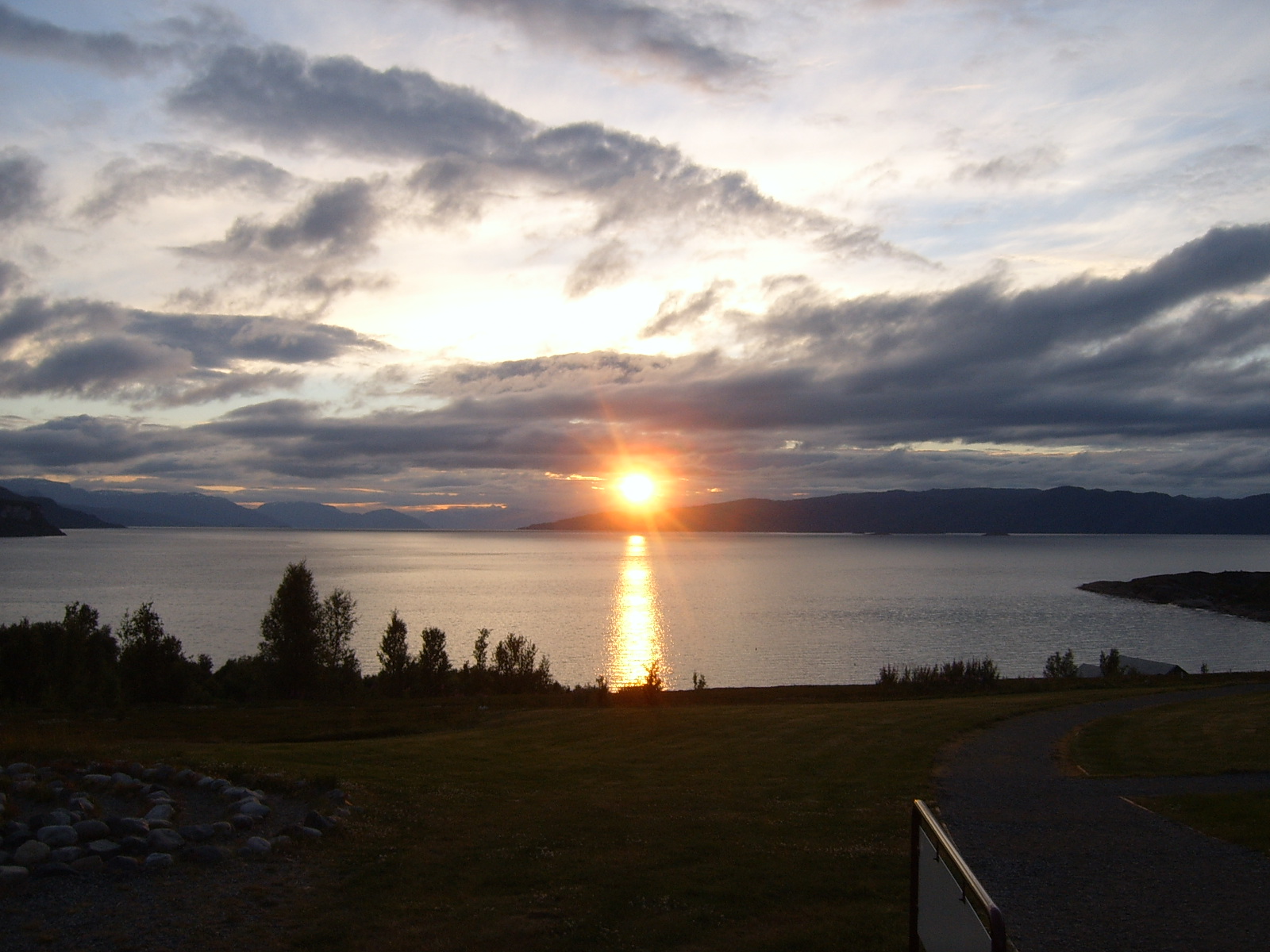
Northern Norway changes character in May. The long Arctic winter loosens its grip, the roads become easier, the fjords turn steel-blue instead of black, and by the second half of the month the sun starts refusing to set. For travellers who want the Arctic without polar-night darkness or deep-winter logistics, late May and June are quietly brilliant.
This one-week itinerary is built around the midnight sun season in northern Norway, with a route from Tromsø to Senja and the Lofoten Islands. It is practical rather than heroic: enough movement to see dramatic landscapes, but not so much driving that the trip becomes a checklist. It works best from late May to mid-July, with the most reliable midnight sun conditions from early June onward.
The key is to plan your days backwards. In winter you chase clear night skies for aurora. In summer you chase soft light around midnight. That means slower mornings, flexible evenings, and a willingness to eat dinner late if the weather suddenly opens.
Why Go in May or June?

Most people associate Arctic travel with snow, huskies and northern lights. Those are wonderful, but summer has its own kind of magic: empty roads, green mountains still streaked with snow, seabirds on the cliffs, open hiking trails at lower elevations, and 24-hour daylight above the Arctic Circle.
May and June are especially useful because they sit before the busiest European holiday period. Accommodation is still cheaper than peak July and August, rental cars are easier to find, and popular viewpoints in Lofoten feel far calmer. You also get the visual contrast photographers love: spring-green coastlines, white mountain tops and a low sun that circles the horizon instead of disappearing.
There are trade-offs. High mountain hikes may still hold snow in May. Some seasonal restaurants and boat tours only run fully from June. Sea temperatures are cold, and weather can shift from blue skies to sleet in a single afternoon. But for a first Arctic summer trip, this shoulder-season balance is hard to beat.
Route Overview

Best for: photographers, self-drive travellers, couples, active families, first-time Arctic visitors
Duration: 7 days / 6 nights
Start: Tromsø
End: Evenes, Svolvær or Tromsø
Transport: rental car strongly recommended
Best months: late May, June, early July
Pace: moderate, with two-night stays where they matter
A simple version of the route:
- Tromsø — arrival, city, cable car, fjord viewpoints
- Senja — dramatic roads, beaches, mountain views
- Senja to Lofoten — ferry or scenic drive south
- Lofoten — Reine, Hamnøy, beaches, midnight sun viewpoints
- Lofoten — hikes, fishing villages, flexible weather day
- Vesterålen or Henningsvær — whales, quieter coast, art and cafés
- Departure — Evenes, Svolvær or return north
Day 1: Arrive in Tromsø
Tromsø is the easiest gateway to northern Norway and the right place to start. It has direct flights from Oslo and seasonal connections from several European cities, good rental car supply, proper restaurants, supermarkets and enough Arctic context to make the trip feel grounded rather than just scenic.
Keep the first day simple. Walk the harbour, visit the Polar Museum if you want a sense of Arctic exploration history, and take the Fjellheisen cable car up to Storsteinen if the weather is clear. The view over Tromsøya, the bridges and the surrounding peaks is the best orientation you can get.
In late May, the midnight sun begins in Tromsø around 20 May. If you arrive before that date, you still get extremely long twilight rather than real darkness. By June, the evening light can be extraordinary. Do not rush to bed because your watch says it is late. If the sky clears at 11 PM, go outside.
Practical tip: buy snacks and simple breakfast supplies in Tromsø before heading to Senja. Smaller Arctic villages have shops, but opening hours can be limited, especially on Sundays.
Day 2: Tromsø to Senja
The drive from Tromsø to Senja is short on paper and beautiful in practice. Depending on the ferry schedule and route, expect roughly three to four hours of travel, plus stops. Your goal is not to cover distance; it is to arrive with enough energy for the evening light.
Base yourself around Mefjordvær, Hamn i Senja, Skaland or Torsken. These villages give good access to the island's most dramatic northern coast, where steep mountains drop straight into the sea.
Spend the afternoon driving part of the National Scenic Route Senja. Stop at Tungeneset for views toward the jagged Okshornan peaks, then continue to Bergsbotn viewpoint for a wide fjord panorama. These are easy, high-reward stops that do not require major hiking.
For midnight sun, look for open western or northern horizons. Beaches, outer headlands and raised viewpoints work best. Senja is less famous than Lofoten internationally, but for raw Arctic coastal drama it is just as good and often quieter.
Day 3: Senja Slow Day
Give Senja a full day. This is the part of the itinerary most people try to compress, and that is a mistake. The island rewards patience because the weather can be wildly local. One fjord may sit under cloud while another is bright and windless.
If trails are snow-free, consider a moderate hike such as Hesten for views over Segla. In May, check conditions carefully and do not push onto icy slopes without proper gear. Lower coastal walks, beaches and viewpoints are safer bets early in the season.
If the weather is poor, treat Senja as a road-trip island. Drive short sections, stop often, and use cafés or accommodation downtime without guilt. Arctic summer travel works best when you stop trying to force a perfect schedule.
The evening is your photography window. Around midnight, the sun sits low and warm, giving mountains and water a copper edge. Even if clouds block the actual sun, the sky can glow for hours. A tripod is still useful, not because it is dark, but because it lets you slow down and compose properly.
Day 4: Senja to Lofoten
This is your longest travel day, so start with a realistic plan. In summer, ferry combinations can make the route feel adventurous and beautiful; outside full seasonal schedules, you may need to drive via the mainland and cross through the Vesterålen/Evenes area. Always check ferry times the day before, not just when planning the trip months ahead.
If you are driving south, build in time for the landscape rather than treating it as a transfer. Northern Norway's roads are scenic, but speeds are slower than map apps suggest, especially when you keep stopping for photos.
Aim to sleep somewhere in western or central Lofoten: Svolvær for convenience, Henningsvær for atmosphere, or Reine/Hamnøy for the postcard scenery. For a one-week trip, I prefer two or three nights in one Lofoten base rather than changing hotels every night. The islands are connected by road, and flexibility matters more than shaving 30 minutes off a drive.
Day 5: Reine, Hamnøy and Western Lofoten
Western Lofoten is famous for a reason. Reine, Hamnøy and Sakrisøy deliver red fishing cabins, granite peaks and water that changes colour with the light. It is also the area where poor planning can turn into frustration, because accommodation is limited and prices rise quickly in summer.
Start early enough to enjoy villages before tour traffic builds, then slow down in the afternoon. Visit Å, the end-of-the-road fishing village, and stop at viewpoints around Reine. If conditions are safe and you are fit, Reinebringen gives the classic high view, but the stairs are steep and can be slippery. In May, snow and ice may still affect higher sections, so check local reports.
For midnight sun, head to a beach or western-facing viewpoint rather than staying tucked inside a fjord. Uttakleiv, Haukland and Unstad are all excellent, depending on where you are based. The midnight sun is not just a single moment. Arrive late, bring a warm layer, and watch how the light shifts for an hour or two.
Day 6: Henningsvær, Beaches or Vesterålen
Use day six as your flexible day. If the weather was bad earlier, repeat the best part of western Lofoten. If you have had clear skies, branch out.
Henningsvær is the obvious choice for a softer day: galleries, cafés, harbour walks and the famous football pitch viewpoint. It is photogenic without requiring a mountain hike. For beaches, Haukland and Uttakleiv are easy favourites, while Unstad is better if you like surf culture and wild coastlines.
If wildlife matters more than villages, consider pushing toward Vesterålen, especially Andenes, for whale watching. May and June can be good for sperm whale trips, though sea conditions always decide whether boats run. Vesterålen is less polished than Lofoten and that is part of the appeal: broader landscapes, fewer crowds and a more lived-in coastal feel.
Do not over-plan this day. The best Arctic trips leave space for the weather to give you something unexpected.
Day 7: Departure
The cleanest exit is usually Evenes Airport, which sits between Lofoten and Narvik and has connections via Oslo. Svolvær and Leknes are more local options with smaller aircraft and fewer routes. Returning all the way to Tromsø is possible, but it turns the final day into a serious drive unless you add extra nights.
If flights are late, use the final morning for one last viewpoint rather than another ambitious excursion. Arctic travel is better when you leave wanting slightly more, not when you finish exhausted and late for a plane.
Where to Stay
For a balanced week, choose:
- 1 night in Tromsø for arrival logistics
- 2 nights in Senja for scenery and breathing room
- 3 nights in Lofoten for villages, beaches and midnight sun viewpoints
Driving and Costs
A rental car is the biggest expense, but it is also what makes this itinerary work. Public transport exists, but it limits your ability to chase light, stop at viewpoints and reach midnight sun locations at odd hours.
Typical summer costs per day for two people:
- Rental car: £60–£130 depending on dates and insurance
- Fuel: £20–£45 on driving days
- Accommodation: £120–£280 for decent cabins/hotels
- Food: £40–£100 depending on self-catering vs restaurants
- Activities: optional, from free hikes to £100+ whale watching tours
What to Pack
Pack for spring, summer and bad weather in the same day. You do not need deep-winter aurora gear, but you do need layers.
Bring:
- waterproof jacket and trousers
- warm fleece or light down jacket
- hat and thin gloves for late evenings
- hiking shoes with good grip
- sunglasses and sunscreen
- eye mask for sleeping in 24-hour daylight
- swimsuit if you plan sauna or cold-water dips
- camera, spare batteries and a lightweight tripod
Final Advice
The midnight sun rewards a different rhythm from normal travel. Sleep later. Eat when convenient. Keep evenings loose. If the forecast clears at 10 PM, go out. If a low cloud bank sits over your planned hike, drive to another fjord. The whole point of a northern Norway summer trip is not efficiency; it is being present when the light turns strange.
For a first Arctic summer adventure, a Tromsø–Senja–Lofoten week is the strongest route I would recommend. It has easy access, world-class scenery, enough infrastructure to stay comfortable, and just enough wildness to remind you that you are very far north.