Southern Lights Season Guide 2026: Where to See the Aurora Australis from May to September
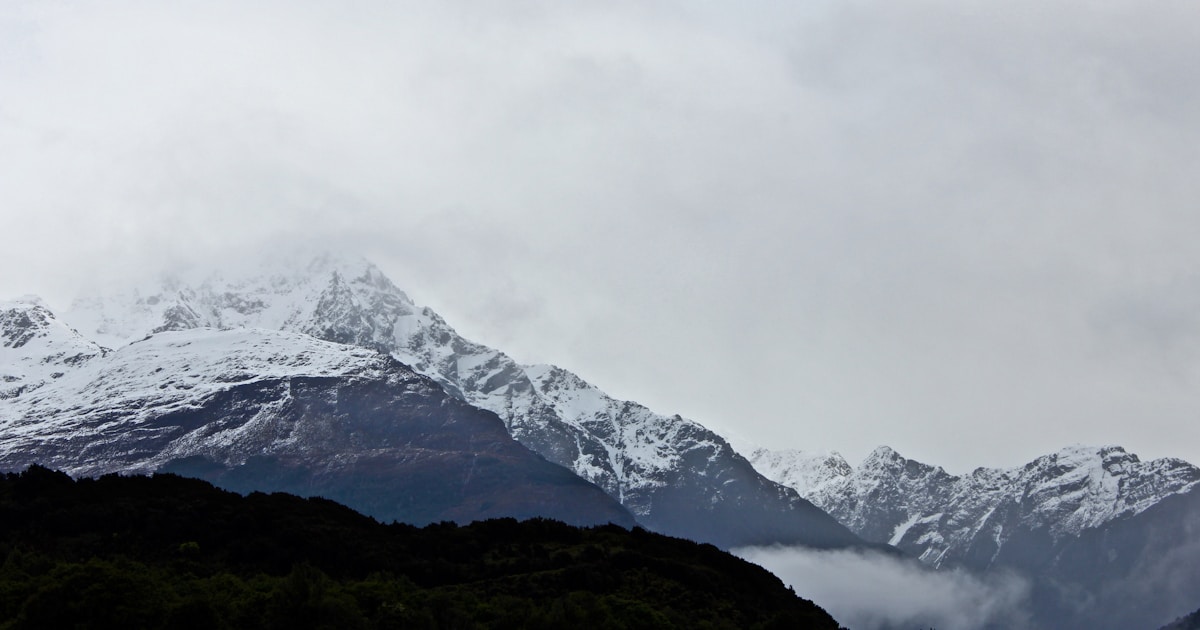
May is when the southern lights season properly begins. As autumn turns into winter across New Zealand, Tasmania and southern Australia, nights get longer, skies grow darker, and the aurora australis becomes a realistic travel target rather than a rare bonus.
The southern lights are less famous than the northern lights, but that is part of the appeal. There are fewer bus convoys, fewer crowded viewpoints, and far fewer people standing shoulder-to-shoulder waiting for the sky to turn green. The trade-off is that the auroral oval sits mostly over the Southern Ocean and Antarctica, so you need patience, flexible plans and a good understanding of where visibility is genuinely possible.
This guide focuses on the practical 2026 season: where to go, which months provide enough darkness, how space weather affects visibility, and how to plan a trip that still works even if the aurora never appears.
Why 2026 Is a Strong Year for Southern Lights

Solar Cycle 25 is in its post-maximum planning period; the exact final maximum month remains unsettled in SILSO's live cycle table. Around solar maximum, the sun produces more sunspots, solar flares and coronal mass ejections. When those charged particles reach Earth, they can trigger geomagnetic storms — the events that push auroras further from the poles and make them bright enough to see from populated places.
For southern lights hunters, that matters enormously. In quiet years, the aurora australis is often faint from New Zealand and Tasmania unless you are very far south with a dark horizon. During active years, strong displays can reach Stewart Island, the Otago Peninsula, Tasmania's south coast and occasionally even parts of Victoria and South Australia.
Solar maximum does not guarantee a show. Cloud cover, moonlight, local light pollution and timing still matter. But 2026 gives travellers a better baseline than most years. If you have been waiting for a reason to plan a winter trip south, this is a sensible season to do it.
Best Months: May to September

The aurora australis can happen at any time of year, but you need darkness to see it. In the southern hemisphere, the practical travel window runs from April to September, with May, June, July and August offering the most reliable darkness.
May is the opening act. Nights are long enough, temperatures are cold but manageable, and autumn weather can still bring occasional calm, clear nights. It is a good month for travellers who want fewer winter logistics and lower accommodation prices.
June and July are the darkest months. These are the best months if your priority is maximum viewing hours. The downside is weather: winter fronts can bring rain, snow, strong wind and stubborn cloud, especially in exposed coastal places.
August is often the sweet spot. Nights are still long, winter landscapes remain dramatic, and weather can begin to stabilise slightly between fronts. It is also a strong month for combining aurora watching with hiking, wildlife and road trips.
September can be excellent around the equinox. Geomagnetic activity often strengthens near the equinoxes, and the weather slowly becomes easier. The nights are shorter than midwinter but still dark enough in southern locations.
Where to Go for the Southern Lights
Stewart Island / Rakiura, New Zealand
Stewart Island is one of the most rewarding southern lights bases in New Zealand. It sits at 46.9°S, south of the South Island, with very low light pollution and wide views across the southern sea. The island's Māori name, Rakiura, is often translated as "glowing skies" — a fitting name when the aurora appears above the horizon.
The main settlement, Oban, is small enough that you can walk away from most artificial light in minutes. Popular viewing areas include Observation Rock, Lee Bay, Moturau Moana and any safe south-facing shoreline with a clear horizon.
The catch is weather. Stewart Island is lush for a reason: it gets a lot of cloud and rain. Plan at least three nights, ideally four or five, and treat the aurora as one part of a broader island trip. Kiwi spotting, Ulva Island birdlife, coastal walks and seafood make the journey worthwhile even under cloudy skies.
Queenstown and Central Otago, New Zealand
Queenstown is not as dark or as far south as Stewart Island, but it is much easier to reach and makes a strong winter base. The best aurora viewpoints are outside town, away from the resort lights: Lake Wakatipu's southern shores, the road toward Glenorchy, the Crown Range, and darker parts of Central Otago.
Queenstown works best for flexible travellers. You can monitor forecasts, drive to clearer skies if conditions line up, and spend the rest of the trip skiing, hiking, wine tasting or visiting Fiordland. Aurora displays here usually need moderate to strong geomagnetic activity, so do not book Queenstown for the aurora alone. Book it because it is a superb winter destination that sometimes comes with a sky show.
Dunedin and the Otago Peninsula, New Zealand
Dunedin is one of New Zealand's best accessible southern lights bases. The Otago Peninsula offers dark southern horizons, dramatic coastal foregrounds and easy access from a proper city. Hoopers Inlet, Sandfly Bay, Second Beach and the area around Taiaroa Head can all work when conditions are right.
The city lights mean you need to move away from central Dunedin, but you do not need an expedition. A short drive can put you in far better darkness. Photographers particularly like this region because sea stacks, beaches and headlands give strong compositions even when the aurora is subtle.
Tasmania, Australia
Tasmania is Australia's best aurora australis destination. The southern coast around South Arm, Bruny Island, Cockle Creek and the Tasman Peninsula offers dark horizons facing the Southern Ocean. Hobart is a convenient base, but you should drive out of the city for serious viewing.
Displays in Tasmania are often low on the horizon, especially compared with what people expect after seeing photos from Iceland or Tromsø. A camera may capture colour before your eyes do. Look for a pale glow, pillars or movement above the southern horizon, then use a long exposure to confirm what you are seeing.
Tasmania's advantage is that it is a complete winter travel destination: wilderness, food, whisky, wildlife and excellent road trips. Like Queenstown, it is best approached as a trip that can include aurora rather than a guaranteed aurora holiday.
Antarctica and Subantarctic Cruises
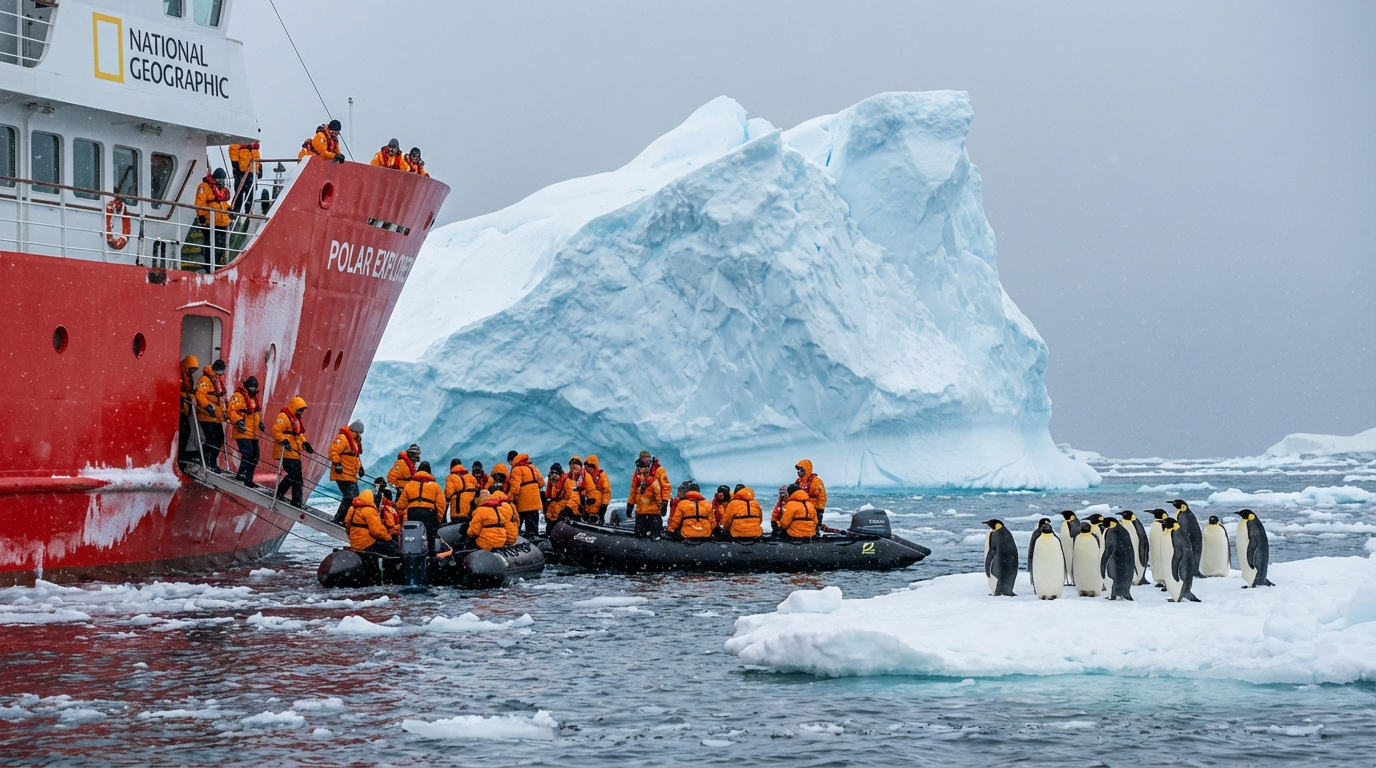
The strongest southern lights displays happen far south, but travelling there is more complex and expensive. Antarctic cruises can encounter aurora in shoulder-season darkness, but most tourist cruises operate during the bright austral summer when aurora visibility is poor or impossible.
If aurora is a priority, look carefully at itinerary dates and darkness hours before booking. A spectacular Antarctic landscape does not automatically mean aurora-friendly conditions. For most travellers, New Zealand and Tasmania are more practical.
How to Read Southern Lights Forecasts
Aurora forecasting can feel technical, but you only need a few signals.
The Kp index measures global geomagnetic activity from 0 to 9. For southern New Zealand and Tasmania, Kp 5 or above is usually when things get interesting. Kp 6 or 7 can produce strong displays. Kp 8 or 9 is rare and can push aurora much further north.
The Bz value is also important. When Bz turns negative, Earth's magnetic field is more likely to connect with incoming solar wind, making aurora more likely. A sustained negative Bz is better than a brief dip.
Solar wind speed and density help show whether a storm is arriving. Fast solar wind, rising density and negative Bz together are promising signs.
For simple planning, use aurora alert apps and local aurora groups, then cross-check cloud forecasts. The sky can be magnetically active and still useless if your horizon is under cloud.
Good tools include:
- SpaceWeatherLive for solar wind, Bz and Kp
- NOAA Space Weather Prediction Center for storm alerts
- Aurora Australis Tasmania groups for local reports
- New Zealand aurora alerts and regional weather forecasts
- Windy or MetService for cloud cover in New Zealand
- Bureau of Meteorology forecasts for Tasmania and southern Australia
What Conditions You Need
A successful southern lights night usually needs four things at once.
First, you need geomagnetic activity. A weak aurora may technically be happening, but from mid-latitude destinations it can sit below the horizon or be too faint to notice.
Second, you need a clear southern horizon. Hills, trees and buildings can block low displays. Beaches, headlands, lakeshores and high roads are your friends.
Third, you need darkness. Avoid city light, bright car parks and illuminated viewpoints. A full moon is not fatal for a strong display, but it will wash out faint colour.
Fourth, you need patience. The aurora may surge for ten minutes and then fade. If forecasts are good, give yourself a proper window outside rather than checking once and going to bed.
Photography Tips for the Aurora Australis
Southern lights photography is similar to northern lights photography, with one important difference: displays are often lower and fainter. That means composition and exposure discipline matter.
Use a tripod, manual focus and a wide lens. Start with ISO 1600-3200, an aperture as wide as possible, and a shutter speed around 10-20 seconds. If the aurora is moving quickly, shorten the exposure to preserve structure. If it is faint, lengthen the exposure slightly, but avoid turning the whole sky into a green blur.
Set focus before it gets frantic. Use a bright star, distant light or infinity marker, then do not touch the focus ring. Cold, dark conditions are where autofocus goes to die.
Include foregrounds: beaches, mountains, lakes, lone trees, huts, headlands. The southern lights can be subtle to the eye, so a strong foreground turns a faint display into a memorable image.
For phones, use night mode on a small tripod or clamp. Modern iPhones, Pixels and Samsung phones can capture faint aurora surprisingly well if they are completely still. Handheld shots rarely work.
What to Pack
Winter aurora watching is mostly standing still in the cold. Even in places that are not Arctic-cold, wind and damp can make a midnight wait miserable.
Pack thermal base layers, a warm fleece or down mid-layer, a waterproof shell, gloves you can operate a camera with, a hat, spare socks and proper shoes. In New Zealand and Tasmania, waterproofing is as important as insulation.
Bring a headlamp with a red-light mode, a power bank, spare camera batteries, snacks and a thermos. If you are driving to remote viewpoints, keep fuel topped up and tell someone where you are going.
A Sensible 5-Day Southern Lights Plan
If you want the best balance of odds and enjoyment, build the trip around a destination that works without aurora.
For New Zealand, fly into Invercargill, take the ferry or flight to Stewart Island, and stay four nights. Spend days on Ulva Island, coastal walks and kiwi tours. Each evening, check cloud cover and aurora alerts, then walk or drive to a south-facing viewpoint if conditions line up.
For Tasmania, base yourself in Hobart for two nights and Bruny Island or South Arm for two or three. Use Hobart for food and museums, then move closer to dark southern horizons when forecasts improve.
For Queenstown, plan a winter adventure first: skiing, Glenorchy, Arrowtown, wineries and lake drives. Watch aurora alerts as a bonus, and be ready to drive away from town lights on short notice.
Common Mistakes to Avoid
Do not expect overhead curtains every night. From New Zealand and Tasmania, many displays sit low to the south. They can still be beautiful, but expectations matter.
Do not chase only the Kp number. Kp is useful, but timing, Bz, cloud and your exact location all matter. A high Kp during daylight or under cloud does nothing for you.
Do not stand in a lit car park staring at your phone. Let your eyes adjust, face south, and use your camera to test faint glows.
Do not plan a one-night aurora trip. Weather is too variable. Give yourself multiple chances.
The Bottom Line
The southern lights are wilder, quieter and less predictable than the northern lights. That makes them frustrating on some nights and unforgettable on others. The right approach is to travel somewhere genuinely worth visiting in winter, stay several nights, monitor forecasts, and be ready when the sky opens.
For 2026, use live space-weather and cloud forecasts rather than assuming the calendar year improves the odds. Solar activity remains elevated, the May-to-September darkness window is here, and southern destinations are entering their strongest aurora season. If you want a polar light show without the northern hemisphere crowds, this is the year to look south.