Arctic April Photography Guide: How to Shoot Snow, Blue Hour, Wildlife and Late-Season Aurora
Most travellers focus on January and February for Arctic photography, but April can be the smarter choice.
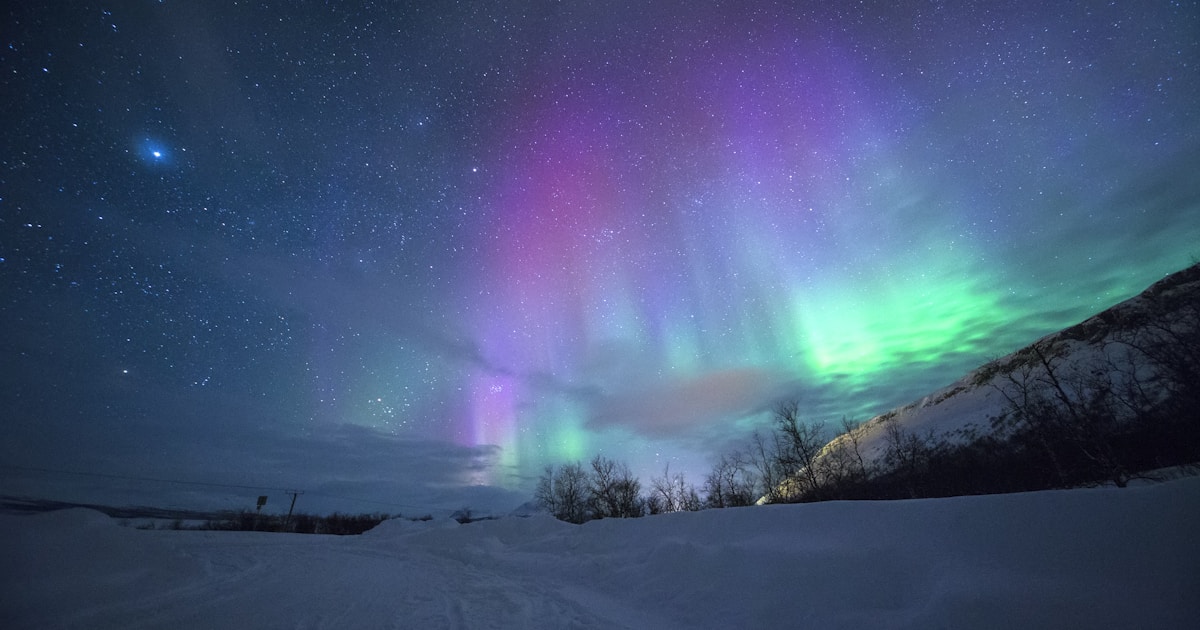
You still get snow across much of northern Norway, Swedish Lapland, Finnish Lapland, Iceland's interior edges, and Svalbard. You still have a real shot at the northern lights in the first half of the month, but the window is narrower than in March; use the April northern lights guide before planning a trip around aurora alone. The light is gentler, the temperatures are less punishing, roads are easier, and long twilight stretches give photographers far more usable shooting time than the deep-dark midwinter months.
April is the Arctic's transition month. Rivers start to loosen. Mountain ridges glow pink long after sunset. Wildlife becomes more active. Towns feel less packed than Christmas or peak aurora season. For photographers, that combination is gold.
This guide is about making the most of it: what April light actually looks like, what gear to bring, how to expose snow properly, where late-season aurora still makes sense, and which mistakes ruin otherwise great Arctic images.
Why April Is Such a Strong Month for Arctic Photography
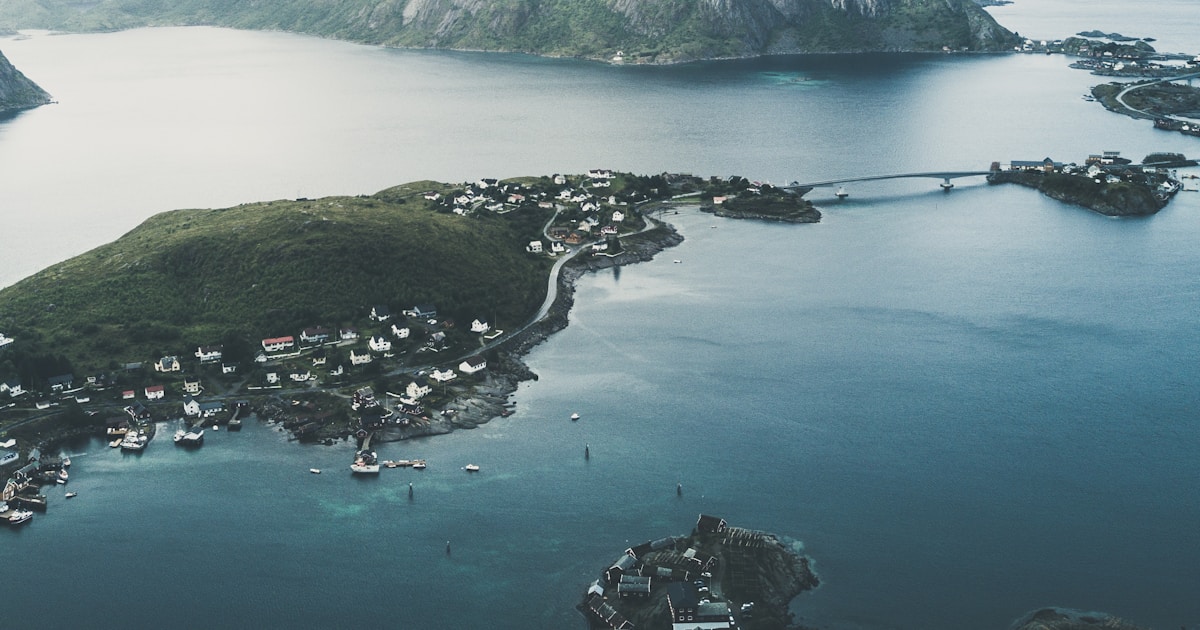
April gives you something winter often cannot: variety. In a single trip, you can shoot snowfields at sunrise, cod-drying villages at midday, soft blue-hour harbour scenes in the evening, and if you're far enough north, a final aurora sequence at night.
The practical advantages matter just as much as the aesthetic ones:
- Milder temperatures usually ranging from around -8°C to +5°C in many accessible Arctic destinations
- Longer days that make travel and location-hopping much easier
- Extended twilight for atmospheric landscape work
- Better road conditions than deep winter in many places
- Fewer peak-season crowds after the main February and March rush
- Snow still present in the mountains and inland areas, so images still feel properly Arctic
What the Light Looks Like in April
The biggest shift in April is not just that there is more daylight. It is that the quality of the light changes.
In high latitudes, the sun stays low in the sky even during the day. That means you often get a long, flattering angle of light that stretches textures across snow, sea ice, and mountain faces. Midday can still be harsh on clear days, especially with reflective snow, but the edges of the day are exceptional.
1. Blue hour lasts longer than you expect
In many Arctic destinations, blue hour is not a quick ten-minute event. It can linger. That makes it perfect for harbours, cabins, fishing villages, and mountain silhouettes. If you shoot in places like Tromsø, Lofoten, or Reykjavik, this is when towns look cinematic instead of touristy.
Best subjects for April blue hour:
- red rorbuer cabins against lingering snow
- harbours with still water reflections
- mountain ridgelines with a pastel sky
- church exteriors and village streets before lights go fully dark
- parked sleds, boats, and everyday Arctic details
2. Snow reflects colour beautifully
Fresh or clean spring snow picks up pink, lavender, and pale blue tones that cameras often render better than the eye sees in the moment. This is especially true in the 20 to 40 minutes after sunset.
3. Contrast softens
January can feel brutally contrasty, especially when shooting under headlamps, in storms, or around artificial light during long darkness. April often gives you more manageable conditions, with detail in both sky and foreground if you expose carefully.
The Best Arctic Subjects to Prioritise in April
Not every classic Arctic subject peaks in April, so it helps to choose for the season rather than forcing a generic winter shot list.
Snow-covered landscapes with structure
April snow is often more textured than midwinter powder. Tracks, melt patterns, wind-sculpted ridges, and patches of exposed rock add shape and scale. Wide shots become more interesting because the land no longer looks like a flat white sheet.
Look for:
- coastal mountains in northern Norway
- birch forests in Swedish and Finnish Lapland
- black-sand-and-snow contrast in Iceland
- glacier tongues and frozen lagoons in shoulder-season light
Wildlife returning to the frame
April is a quietly good wildlife month. In some regions you start seeing more seabird activity, reindeer movement, and shoulder-season marine life.
In Svalbard, light returns dramatically and wildlife photography begins to open up again. In north Iceland and northern Norway, you may not get summer abundance yet, but the landscape starts to feel alive rather than dormant.
If wildlife matters, bring more reach than you think you need. A 70-200mm is the bare minimum. A 100-400mm or equivalent is better.
Everyday Arctic life
April is perfect for documentary-style travel photography because people are actually outside. There is enough daylight and less brutal cold, so fishing docks, cafés, ferries, ski areas, and local streets all become easier to shoot without your hands freezing in five minutes.
This is where a trip stops looking like a generic wallpaper set and starts feeling like a place.
Can You Still Photograph the Northern Lights in April?
Yes, but be realistic.
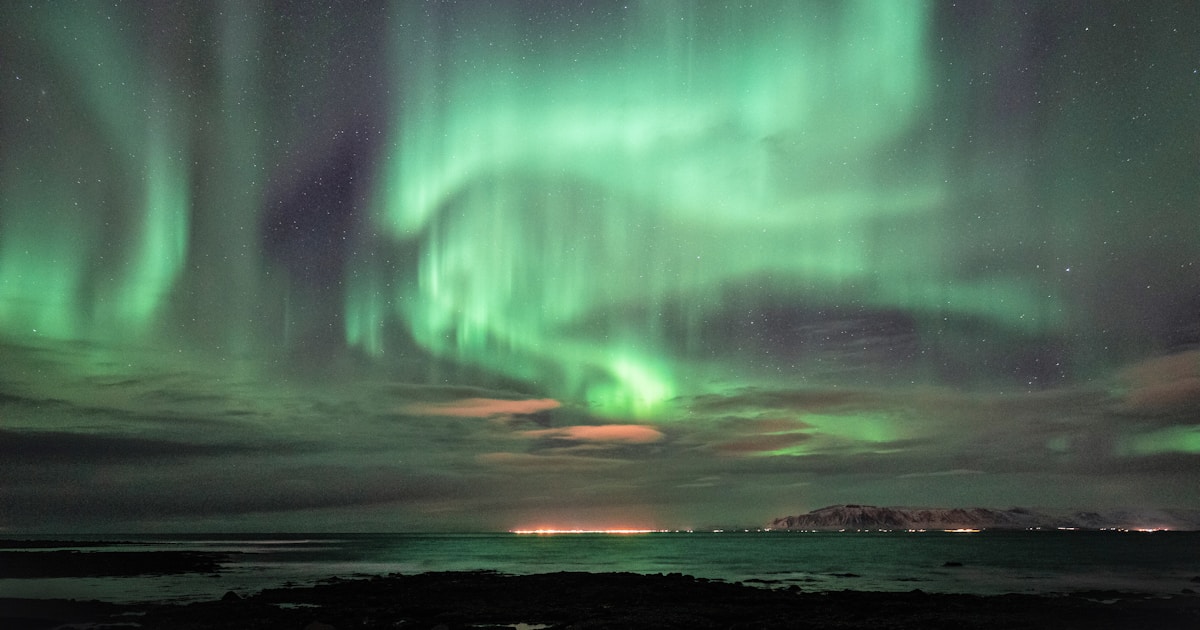
April is late season for aurora photography, not prime season. You need enough darkness, which becomes a serious limiting factor surprisingly quickly. Early April is still workable in destinations above the Arctic Circle, especially inland or farther north. Late April becomes poor for aurora almost everywhere in Europe, though some higher-latitude areas still have brief windows.
If aurora is your top priority, I would not build an April trip around it. If you want a broader photography trip and would treat the aurora as a bonus, April is excellent.
Best bets for late-season aurora photography:
- Abisko, because of its famous cloud-shadow effect and inland location
- Tromsø, if you are willing to drive or join a chase tour
- Svalbard, in the earlier part of the month before light dominates
- inland Finnish Lapland, where skies can be clearer than coastal areas
- you have a shorter dark window
- foregrounds are easier to compose because you can still see the landscape
- twilight can blend beautifully with weaker aurora if the display is strong enough
- planning matters more, because you cannot just wait all night
The Gear That Makes the Biggest Difference
You do not need an absurd expedition setup, but Arctic April still punishes sloppy packing.
Camera kit
Bring a three-lens mindset if you can:
- wide lens for landscapes, cabins, and aurora, ideally 14-24mm or 16-35mm
- standard zoom or compact prime for towns, travel scenes, food, interiors, and general use
- telephoto for compressed mountain layers, wildlife, and details across fjords or tundra
Batteries and storage
Cold is less vicious than in January, but it still drains batteries fast, particularly at dawn or during long evening sessions. Carry at least one spare battery in an inner pocket. Arctic trips also generate more images than expected because conditions change constantly, so extra cards are worth it.
Clothing for photographers, not tourists
The classic mistake is dressing for movement rather than standing still. April can feel mild while hiking and absolutely freezing once you stop to compose on a ridge or beach.
Wear layers, waterproof boots, thin gloves under mittens, and a shell that blocks coastal wind. You need dexterity for dials and enough insulation to keep shooting once the pretty light arrives.
How to Expose Snow Properly
Snow fools meters. Cameras want to turn bright white scenes into muddy grey. If you trust the default exposure blindly, your Arctic photos will look dull and underexposed.
A simple rule works well: add exposure compensation when the frame is dominated by snow. Start around +0.7 to +1.3 EV and check your histogram. You want the whites bright, but not clipped into featureless blocks.
A few practical tips:
- watch the histogram, not just the rear screen
- protect highlights in direct sun because reflective snow blows out fast
- in flat light, expose a little to the right for cleaner files
- if people are in the frame with dark jackets, check that faces are not lost while snow stays bright
- shoot RAW, because Arctic scenes often need careful white balance recovery later
White balance matters more than people realise
Auto white balance often warms Arctic scenes too much, especially when the camera sees a lot of blue snow. That can kill the mood. Try daylight or cloud presets for consistency, or set a Kelvin value manually if the light is stable.
For blue hour snow, slightly cooler tones usually feel more truthful than neutral ones.
Composition Ideas That Work Especially Well in April
April gives you natural layers: snow, exposed rock, water, low-angle light, and a sky that still has seasonal drama.
Try these compositions:
1. Tracks leading into a landscape
Ski tracks, snowshoe lines, and footpaths add direction and scale. They also make empty snowfields feel purposeful.
2. Snow foreground plus open water
This is one of the cleanest Arctic contrasts. It works particularly well in Iceland, Lofoten, and fjord landscapes where winter and thaw coexist in the same frame.
3. Human-scale detail against a huge landscape
A small red cabin, a lone skier, a parked sled, or a roadside hut can stop wide Arctic scenes from feeling anonymous.
4. Telephoto compression in changing weather
April weather moves quickly. Use that. When snow showers, sea mist, and sun break through in alternating layers, longer focal lengths can isolate something much stronger than the obvious wide shot.
The Best Destinations for an April Photography Trip
If I had to choose five particularly strong April photography destinations from the PolarTourist map, I would pick these:
Tromsø
Strong all-rounder. Snowy mountains, city scenes, coastal weather, easy logistics, and a still-possible aurora window early in the month.
Lofoten
Probably the most photogenic easy-access Arctic region in Europe. April gives you winter scenery with far more workable daylight.
Abisko
Ideal for late-season aurora plus clean mountain and lake compositions. Less visual clutter, more landscape discipline.
Reykjavik
Not for wilderness purity, but very good if you want a mixed trip with architecture, road-trip access, and nearby spring landscapes.
Svalbard
The most dramatic option. More expensive, more demanding, but the returning light and stark terrain are unforgettable.
Common April Photography Mistakes
The biggest mistake is treating April like either full winter or full spring. It is neither.
Avoid these:
- assuming all snow will still be pristine when lower elevations may already be patchy
- forgetting sunglasses or a lens cloth because reflected light and wet snow are constant
- overscheduling drives and missing the best evening light
- banking the trip on aurora alone when darkness is limited
- underpacking waterproof gear for sleet, melt, and mixed conditions
- shooting only wide and ignoring details, patterns, and daily life
A Simple April Shooting Plan
If you want a reliable structure for each day, use this:
- Scout in daylight and mark two or three evening locations with easy access.
- Shoot late afternoon into blue hour, which is often the sweet spot.
- Check aurora forecasts only if darkness is sufficient and keep expectations sensible.
- Use midday for travel, interiors, documentary images, and telephoto details.
- Leave one or two days unscripted for weather windows. Arctic photography punishes rigid itineraries.
If you want an Arctic trip that produces a fuller portfolio instead of one narrow type of image, April deserves a place near the top of your list.
Next step: explore our destination guides for Tromsø, Lofoten, Abisko, Reykjavik, and Svalbard to build a late-season Arctic photography itinerary.