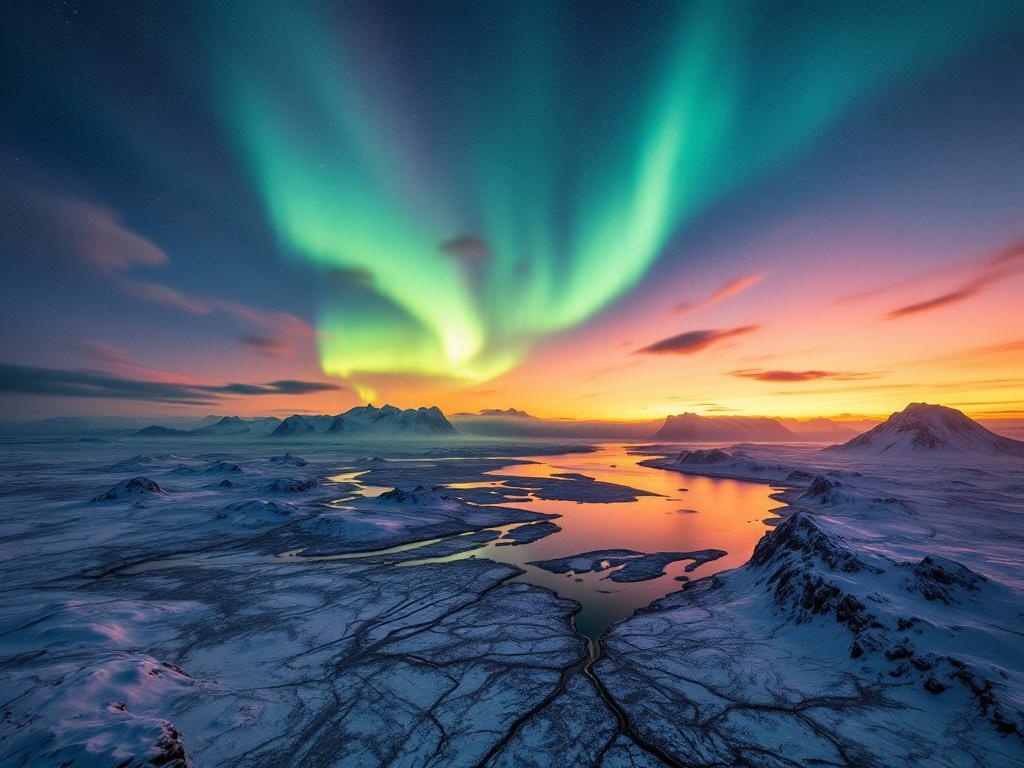
Svalbard in Late Spring: Midnight Sun, Wildlife and Expedition Planning
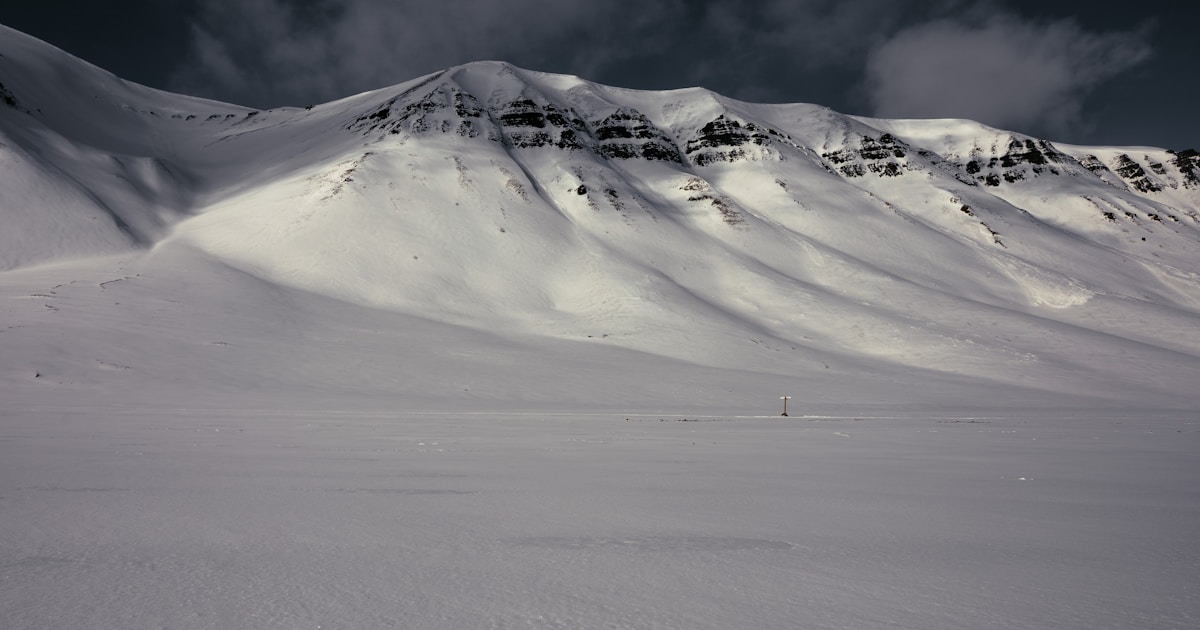
Late spring is one of the most misunderstood times to visit Svalbard. Most travellers think of the archipelago as either a deep-winter northern lights destination or a summer expedition cruise stop. May and early June sit between those two seasons, and that is exactly why they are interesting: the sun is up all day, snow still covers much of the landscape, sea ice can linger in the fjords, and wildlife becomes more active as the Arctic wakes up.
This is not the right trip if your only goal is the aurora. There is no darkness in late spring, so the northern lights are invisible even if solar activity is high. But if you want polar bears, walrus, seabirds, blue-white glaciers, snowmobile journeys and the strange feeling of walking out of a restaurant at midnight into full daylight, Svalbard is exceptional.
The key is planning around the season rather than fighting it. Late spring has different routes, prices, safety rules and expectations from both March aurora trips and July cruise itineraries. Here is how to do it properly.
Why Visit Svalbard in May or Early June?
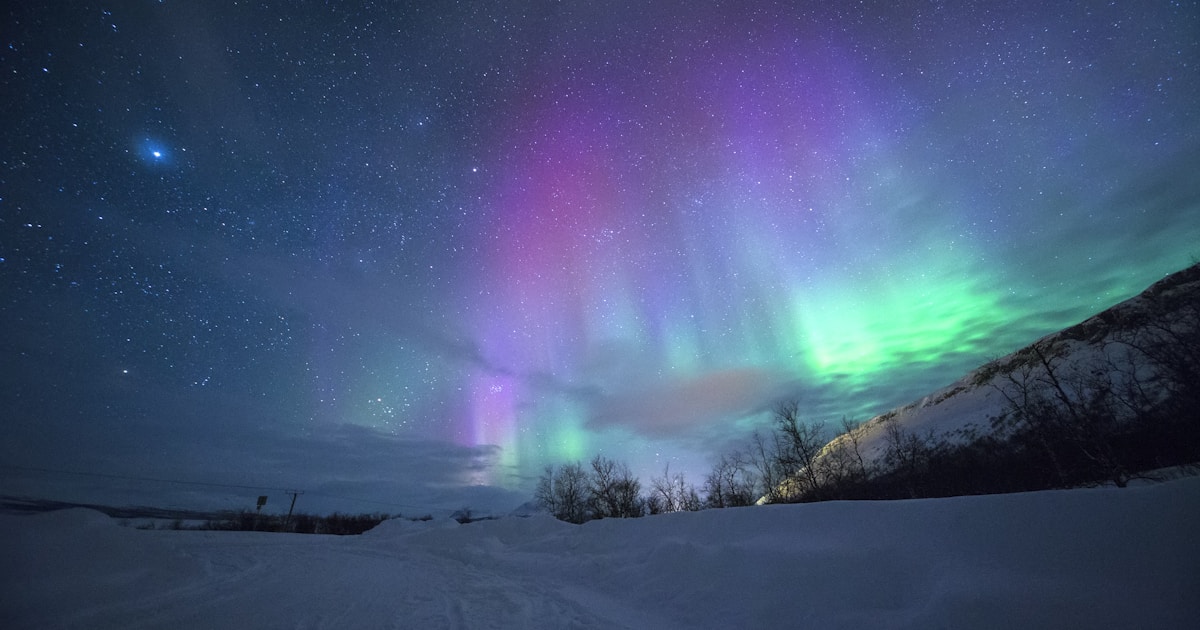
Svalbard changes fast in spring. By mid-April the midnight sun has begun in Longyearbyen, and by May the island has entered a liminal period: winter infrastructure has not fully disappeared, summer shipping has not fully taken over, and the landscape is still bright with snow.
That creates a rare combination.
You can still join snowmobile trips into the valleys or towards the east coast if conditions allow. You can take boat trips along icy fjords as harbours open. You can photograph reindeer against snow rather than brown tundra. You can sit outside in sunglasses at 11pm. And you can sometimes see the kind of compressed Arctic scenery — sea ice, mountains, glaciers and wildlife — that later summer visitors may miss once the snow retreats.
The practical upside is crowding. July and August are peak expedition cruise months. March and April are popular for winter adventure travel. May is quieter, especially in the first half of the month, so accommodation can be easier to find and the town feels less busy.
What the Midnight Sun Actually Feels Like
The midnight sun in Svalbard is not just a long day. From roughly 20 April to 23 August in Longyearbyen, the sun does not set at all. In May, this means 24-hour daylight with a low, slanting quality that makes the mountains look sculpted rather than flat.
For photographers, this is superb. The harsh middle-of-day light can be challenging, but the long low-angle periods around the clock create golden light at absurd hours. You can shoot landscapes after dinner, wildlife near midnight, and harbour scenes before breakfast without ever needing a headtorch.
For sleep, it is more complicated. Hotels usually have blackout curtains, but your body may still protest. Bring an eye mask, keep a normal bedtime, and avoid the temptation to let every day dissolve into one endless Arctic afternoon. The novelty is wonderful for two nights and quietly destructive by night five if you do not manage it.
Wildlife: What You Can Realistically See
Svalbard is one of the best wildlife destinations in the High Arctic, but it is not a zoo. The most important planning principle is this: you maximise wildlife chances by spending more time outside Longyearbyen with professional guides, not by hoping animals wander past town.
Polar Bears
Polar bears are present across Svalbard, but sightings are never guaranteed and independent travellers should not attempt to seek them out. Leaving settlements requires appropriate polar bear protection, which in practice means joining guided excursions unless you are properly trained and equipped.
Late spring can be a good period because sea ice may still be accessible in some areas, depending on conditions. Boat-based tours and longer expedition itineraries have the best chances. A day trip might see a bear, but you should treat it as a bonus rather than the purpose of the trip.
Walrus and Seals
Walrus are increasingly reliable around certain haul-out areas, and late spring boat trips may encounter them if ice and routing allow. Seals are also present in the fjords and on ice edges. Bring binoculars: much of the best wildlife watching happens at distance, and responsible operators will not crowd animals for the sake of a photo.
Birds
By late spring, birdlife becomes one of the biggest reasons to visit. Little auks, Arctic terns, kittiwakes, puffins and guillemots begin filling cliffs and coastal areas. If you are not usually a bird person, Svalbard may convert you. The scale of the colonies, the noise, and the drama of seabirds against glacier backdrops are part of the place's character.
Reindeer and Arctic Fox
Svalbard reindeer are commonly seen around Longyearbyen and nearby valleys. Arctic foxes are harder but possible, especially near bird cliffs where food is abundant. Keep distance and never feed wildlife; animals here survive on a thin margin, and human food does them no favours.
Activities That Work Best in Late Spring
The exact mix depends on snow, ice and weather, so build flexibility into your itinerary. A good operator will adjust routes rather than force a bad plan.
Snowmobiling
May can still offer snowmobile conditions, particularly earlier in the month and away from town. Classic routes include valleys, glacier viewpoints and, when conditions are right, longer trips towards the east coast. These tours are expensive, but they are one of the most dramatic ways to understand Svalbard's scale.
Expect to pay roughly NOK 2,000–4,000 per person for a full-day snowmobile excursion, depending on route, equipment and group size. You need a valid driving licence to operate a snowmobile. Passengers usually pay less.
Boat Trips
As the season opens, boat trips become increasingly important. Shorter fjord cruises can visit glacier fronts, abandoned mining settlements, bird cliffs and wildlife areas. Longer multi-day expedition cruises begin later in the season, but late spring departures can be superb if you want ice and snow rather than tundra.
Day boat trips often cost around NOK 1,500–3,000 per person. Prices vary heavily by vessel, duration and whether food is included.
Dog Sledding on Wheels or Snow
Traditional dog sledding may still be possible on snow in some conditions, while kennel visits and wheeled cart rides become more common as the ground changes. It is less epic than a mid-winter dog sled expedition, but still a good way to learn about Arctic travel culture and meet working dogs.
Hiking and Town-Based Exploring
Independent hiking outside Longyearbyen is restricted by polar bear safety requirements. That does not mean you are trapped in town, but it does mean casual solo hiking is not comparable to Norway's mainland trails. Join guided hikes if you want to explore the surrounding valleys and viewpoints.
In town, visit the Svalbard Museum early in your stay. It gives useful context on mining history, polar exploration, wildlife, geology and the political oddity of the Svalbard Treaty.
How Many Days Do You Need?
A long weekend is possible, but four to five nights is much better. Weather can cancel trips, and the best Svalbard experiences are expensive enough that rushing them is false economy.
A strong late-spring itinerary looks like this:
- Day 1: Arrive in Longyearbyen, visit the museum, adjust to the light
- Day 2: Snowmobile or guided valley excursion
- Day 3: Fjord boat trip or wildlife cruise
- Day 4: Dog sledding, guided hike, mine tour or buffer day for weather
- Day 5: Second boat/snow activity if conditions are good, evening flight or overnight
Getting There
Longyearbyen Airport has flights from Oslo and Tromsø, operated mainly by SAS and Norwegian depending on season and schedule. Most international visitors connect through Oslo. Flight time from Oslo is around three hours; from Tromsø it is around 1 hour 40 minutes.
Although Svalbard is part of Norway, it sits outside the Schengen Area. If you require a Schengen visa, check re-entry rules carefully because travelling from mainland Norway to Svalbard can involve leaving and re-entering Schengen control.
There are no roads between settlements. Longyearbyen is the base for almost every first-time visitor, and transport beyond town is by guided vehicle, snowmobile, boat or expedition vessel.
What to Pack
Late spring packing is awkward because the sun suggests warmth while the Arctic reminds you otherwise. Think bright, cold, windy and reflective.
Bring:
- Sunglasses with strong UV protection
- High-SPF sunscreen and lip balm
- Merino base layers
- Insulated mid layer or down jacket
- Windproof outer shell
- Warm hat and gloves, even in May
- Waterproof winter boots or insulated hiking boots
- Eye mask for sleeping
- Binoculars for wildlife
- Camera with spare batteries
- Dry bag for boat trips
Budget: What Late Spring Costs
Svalbard is expensive because almost everything is imported and excursions require specialist equipment, guides and safety protocols. A realistic mid-range budget for late spring is around NOK 2,500–4,500 per person per day including accommodation and one paid activity most days. Budget travellers can reduce this by self-catering and choosing fewer excursions, but this is not a destination where you should skip guided activities entirely.
Typical costs:
- Hotel room: NOK 1,500–3,000 per night
- Hostel or guesthouse bed: NOK 500–1,000 per night
- Restaurant main course: NOK 250–450
- Coffee and pastry: NOK 80–150
- Day boat trip: NOK 1,500–3,000
- Full-day snowmobile tour: NOK 2,000–4,000+
Late Spring vs Winter vs Summer
Choose late spring if you want snow landscapes, 24-hour daylight, a quieter town and the chance to combine winter-style activities with early boat trips.
Choose deep winter if your priority is northern lights, polar night atmosphere and the most surreal darkness.
Choose July or August if you want maximum cruise availability, more open water, warmer tundra hikes and the broadest range of expedition itineraries.
None is objectively best. Svalbard is one of those places where the season defines the trip.
Final Advice
Late spring in Svalbard rewards travellers who are flexible, curious and willing to spend money on the right guided experiences. Do not go expecting guaranteed polar bears or northern lights. Go for the strangeness of daylight at midnight, the scale of snow-covered mountains dropping into cold fjords, the possibility of wildlife at the ice edge, and the feeling that the map has become a little less abstract.
If you are planning your first High Arctic trip and want something more adventurous than Iceland or Tromsø but less logistically intense than a full Greenland expedition, Svalbard in May or early June is a brilliant choice.
Start with our Svalbard destination guide, then compare it with Tromsø, Ilulissat, and Kangerlussuaq if you are deciding between Arctic gateways.