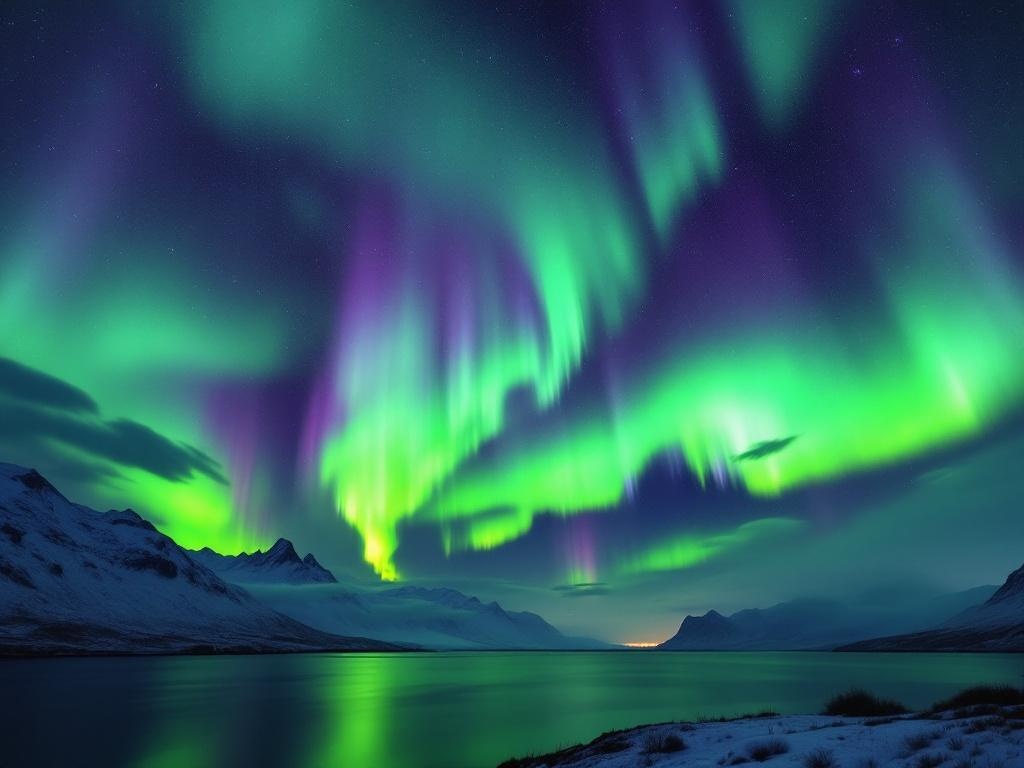
Norway gives you several workable ways to plan a northern-lights trip: stay in an Arctic city and join mobile evening tours, base yourself in a smaller northern town, or build a road-and-ferry itinerary around coast and islands. The right choice is not the place with the highest unsourced score. It is the base that gives you enough darkness, local weather options, safe transport, and more than one viewing opportunity.
Visit Norway identifies Arctic destinations including Tromsø, Alta, Lofoten and Bodø as northern-lights bases. They are not interchangeable. Tromsø has the broadest city infrastructure in this set; Alta provides another northern town base; Lofoten puts dramatic coastal landscapes at the centre of the trip; Bodø can anchor a Nordland itinerary. If you choose Tromsø, decide early whether you want central tour-pickup convenience or a darker island/lodge stay; the Tromsø northern-lights accommodation guide compares those tradeoffs. Your flight schedule, willingness to drive in winter, and non-aurora plans should narrow the choice before a forecast does.
The three conditions you cannot skip
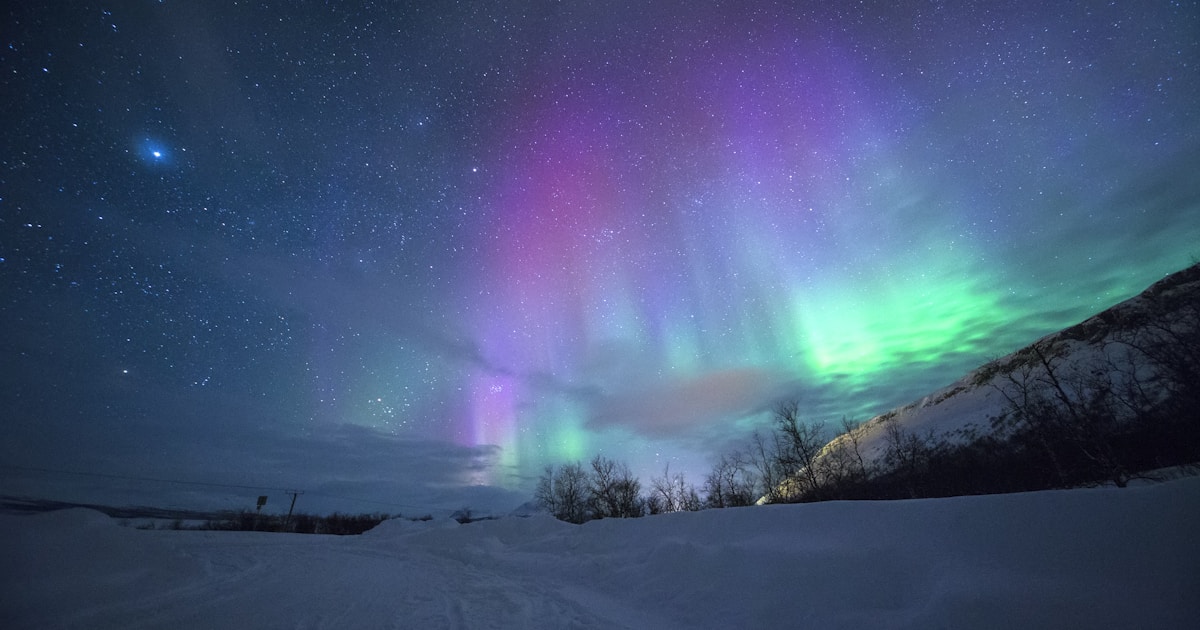
Sufficient darkness. Aurora activity happens year-round, but you need a dark enough sky to see it. Visit Tromsø describes late August to early April as its broad viewing window and says the midnight sun makes the lights invisible in summer. Exact usable darkness changes by latitude and date, so check the location rather than applying one season to all Norway.
A clear enough local sky. Cloud can hide active aurora completely. Check cloud cover for the place and hour you can actually reach, not only a national weather symbol. Coastal weather can change quickly, which is why flexibility and multiple nights are more useful than a long-range promise.
Auroral activity. Space-weather forecasts describe current or near-term geomagnetic conditions; they do not guarantee what one traveller will see from one road. NOAA's aurora dashboard is useful close to the event. Treat any single Kp number as context, not a go/no-go rule: latitude, the auroral oval, darkness, cloud and local horizon all matter.
Choosing a base
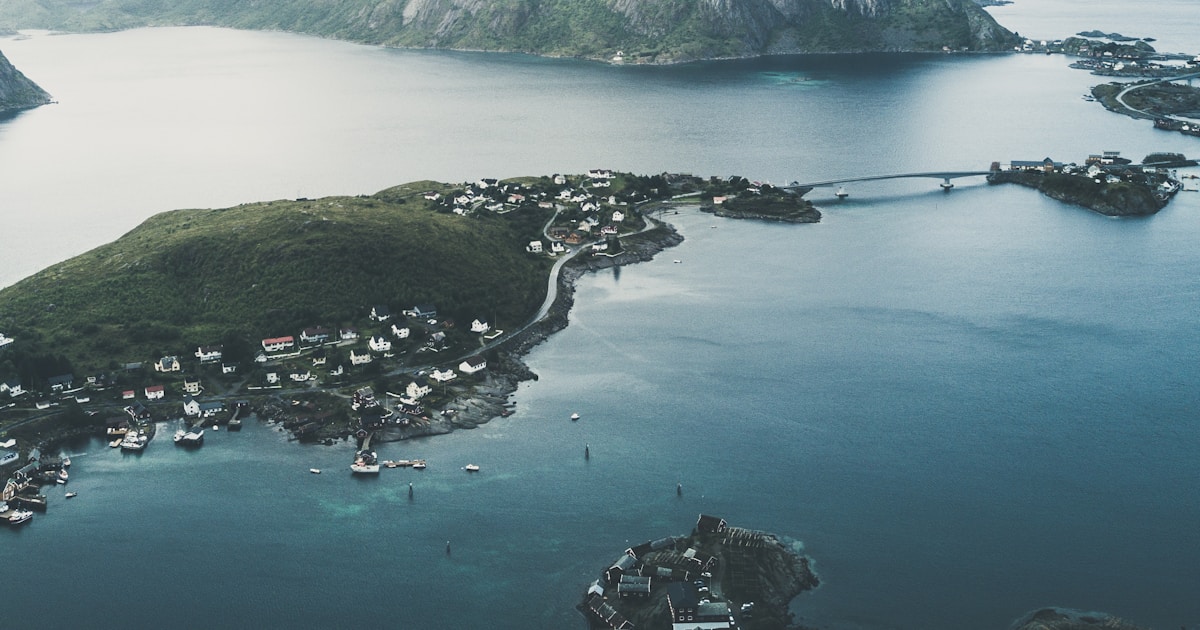
Tromsø: easiest for an Arctic city-based trip
Tromsø works when you want daily flights via Oslo, a compact city base, and a large pool of regional activities. Visit Tromsø says the airport is around 5 km from the centre and lists several daily Oslo flights plus selected domestic and international direct routes. Routes change, so confirm them with Avinor or the airline.
The main advantage is optionality: you can stay in the city, use organised transport on viewing nights, and keep museums, restaurants and daytime activities available when weather is poor. The trade-off is coastal cloud and urban light. A tour can move to a darker or clearer area when conditions allow, but it cannot guarantee a display.
Start with the Tromsø destination guide and then check the current Visit Tromsø season guidance.
Alta: another northern town base
Alta is useful when you want a smaller northern base and an itinerary focused on Finnmark rather than Tromsø's city-and-fjord circuit. Compare the actual flight connections, transfers and current operator products for your dates. Do not assume that a stored score or broad inland/coastal label settles the cloud question for a particular night.
See the Alta destination record and verify current local information before booking.
Lofoten: put the landscape first
Lofoten makes sense when photography, fishing villages, beaches and mountain-and-sea landscapes would justify the trip even without aurora. That is also the safest way to value it: as a landscape itinerary with possible northern lights, not a guaranteed aurora package.
The islands require more transport planning than central Tromsø. Check winter driving conditions, ferry and flight connections, daylight, and the distance between accommodation and the viewpoints you intend to use. If you do not want to drive in winter, prove the transfer or tour plan before committing to a remote stay.
Bodø and Nordland: useful for a wider coastal route
Bodø can work as an arrival point and city base for Nordland, particularly when the trip includes more than aurora. As with Lofoten, the route design matters: a cheap flight into the region is not enough if the viewing or accommodation plan depends on a ferry, winter road, or transfer that does not fit the timetable.
When to go
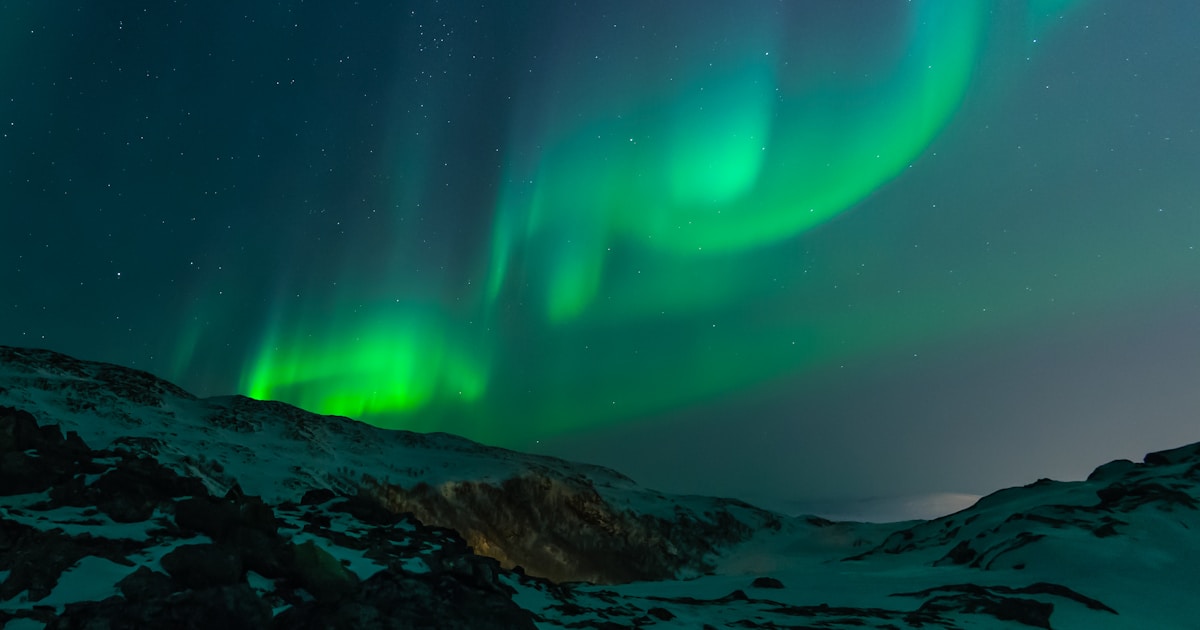
For northern mainland Norway, build the shortlist inside the dark part of the year and then choose dates around the whole trip. Visit Tromsø's late-August-to-early-April window is a useful reference for Tromsø, not a universal guarantee for every latitude.
- Late August and September: darkness returns, while autumn conditions and ground access can suit travellers who do not need a snow itinerary. Exact usable darkness grows quickly through the period.
- October and November: longer nights, with increasingly winter-like conditions. Check road and activity operations rather than assuming full winter infrastructure has started.
- December and January: the darkest period in far-northern destinations. Polar night does not mean uniform pitch black all day; twilight can remain around midday. Weather and limited daylight affect driving and daytime plans.
- February and March: darkness remains useful while daytime light returns. This can suit a trip that needs both evening viewing and daytime winter activities.
- Early April: viewing can still be possible in sufficiently dark late-evening hours, but the window shortens. Check exact twilight and operator schedules.
Tour, self-drive, or fixed lodge?
Choose an organised evening tour when you do not want to drive on winter roads or when mobility between local weather zones is valuable. Check the actual group size, trip duration, toilet access, clothing, photography help, border-crossing policy, cancellation terms, and what happens after a no-sighting night. A rebooking policy is not a sighting guarantee and may depend on capacity.
Choose self-drive only if you are comfortable with winter conditions and can make conservative decisions about roads, wind, visibility and parking. Never stop in an unsafe road position for a photograph. Use official road and weather information, and keep a non-driving alternative for poor conditions.
Choose a fixed lodge when the accommodation and daytime setting justify the stay even if cloud blocks the sky. A remote location may reduce local light, but it also reduces your ability to move under a clearer gap.
A forecast workflow that stays honest
- Check darkness for the exact location and hour. Summer aurora marketing cannot override daylight.
- Check current warnings and the local weather forecast. Wind, road, avalanche and marine conditions may matter more than cloud alone.
- Use a detailed cloud map. Look at movement and uncertainty, not a single percentage.
- Check the auroral oval and near-term space weather. NOAA provides useful current context; no forecast removes uncertainty.
- Choose a safe reachable viewing plan. A theoretically clear place is irrelevant if conditions or transport make it unsafe.
- Recheck close to departure. Forecast confidence is generally more useful close to the event than months in advance.
Photography basics
A tripod and manual control are more important than an expensive destination. Start with a wide aperture, a raised ISO and a shutter time of several seconds, then shorten the exposure when the aurora moves quickly so the structure does not blur. Exact settings depend on brightness, lens, camera and foreground.
Cold reduces battery performance, condensation can form when equipment moves indoors, and bright screens damage night vision. Carry spare batteries close to the body, dim the display, and let equipment warm gradually in a closed bag. Never trade road, cliff, shore or avalanche safety for a composition.
Budget without fictional averages
Norway prices vary by dates, room type, occupancy, route and booked activities. Build a trip-specific total from:
- transport to the base and any onward flight, ferry or rental car;
- accommodation for enough nights to make the wider trip worthwhile;
- evening tours or a properly costed self-drive plan;
- food and city transport;
- winter clothing or rental;
- cancellation flexibility and weather disruption.
Bottom line
Choose Tromsø for a practical city base and regional tour options, Alta for a smaller Finnmark-based trip, Lofoten when the landscape is the primary reason to go, and Bodø when it fits a wider Nordland route. Then give the trip enough nights and enough non-aurora value to survive cloud.
The northern lights remain a natural event. Norway can give you darkness, northern latitude and workable infrastructure; it cannot sell certainty.