GuidePublished 25 July 2026· Updated 21 October 2026·5 min read
Northern Lights in October: Snow Limits, Open Tours and Base Choices
October has dark aurora nights, not guaranteed snow. Compare actual autumn activity calendars, practical bases and road-and-weather decisions before booking.
Find a tour for your trip
Affiliate disclosure: PolarTourist may earn a commission if you book through these links. We select tours independently for their itinerary fit, not as firsthand reviews. Read our affiliate policy.
A dedicated, long-distance aurora chase with professional photos and hotel transfers. This is a long overnight outing, not a short evening tour.
Operator:
Arctic Night Tours
Duration:
8–12 hours; varies with the search route
Meet:
Fairbanks hotel pickup; confirm coverage and changing start time
Drop-off:
Fairbanks hotel drop-off included
Allow 8–12 hours; route, start time and duration can change. Sightings are never guaranteed; no formal no-sighting refund or retry is stated. Age limits and accessibility eligibility are not specified, so confirm with the operator rather than assuming suitability. Check date availability and terms.
A local Abisko photography option with up to eight guests and a DSLR camera. Walking, van or sleigh transport depends on conditions; it is not a Kiruna departure.
Operator:
Lights Over Lapland
Duration:
4 hours
Meet:
Hotel pickup in Abisko or Björkliden only — not Kiruna
Drop-off:
Listed local hotels in Abisko or Björkliden; confirm your property
Sightings are never guaranteed; no no-sighting refund or retry policy is stated. Not suitable for under-10s. Walking in snow and cold is common; discuss physical limitations with the operator and wear warm boots. Confirm dates and pickup.
A minibus option for a Tromsø aurora evening, with photos included and city-centre hotel drop-off. Consider it if those logistics fit your itinerary.
Operator:
Arctic Breeze AS
Duration:
6 hours
Meet:
Outside Dock Hotel, Tromsø
Drop-off:
Hotels in Tromsø city centre
Not suitable for children under 10. Northern lights sightings are never guaranteed, and the trip may run in poor weather. Check current availability, meeting instructions and booking terms before paying.
A minibus search with up to 19 guests, hot cocoa and photos when the lights appear. Fits travellers who can use a designated Reykjavík pickup point.
Operator:
EastWest
Duration:
4 hours
Meet:
Designated Reykjavík hotels or official bus stops; pickup starts 30 minutes before departure
Drop-off:
Designated hotels or bus stops; confirm your location
Sightings are never guaranteed. An unsuccessful attended tour allows a free retry subject to availability, not a refund; no photos are delivered without a sighting. Not suitable for under-5s, mobility impairments or wheelchair users. Confirm dates and current terms.
Listing details checked ; details can change.
Update note: This article was materially updated on 21 October 2026. Check dated source links and current operator details before booking.
Northern Lights in October: Snow Limits, Open Tours and Base Choices
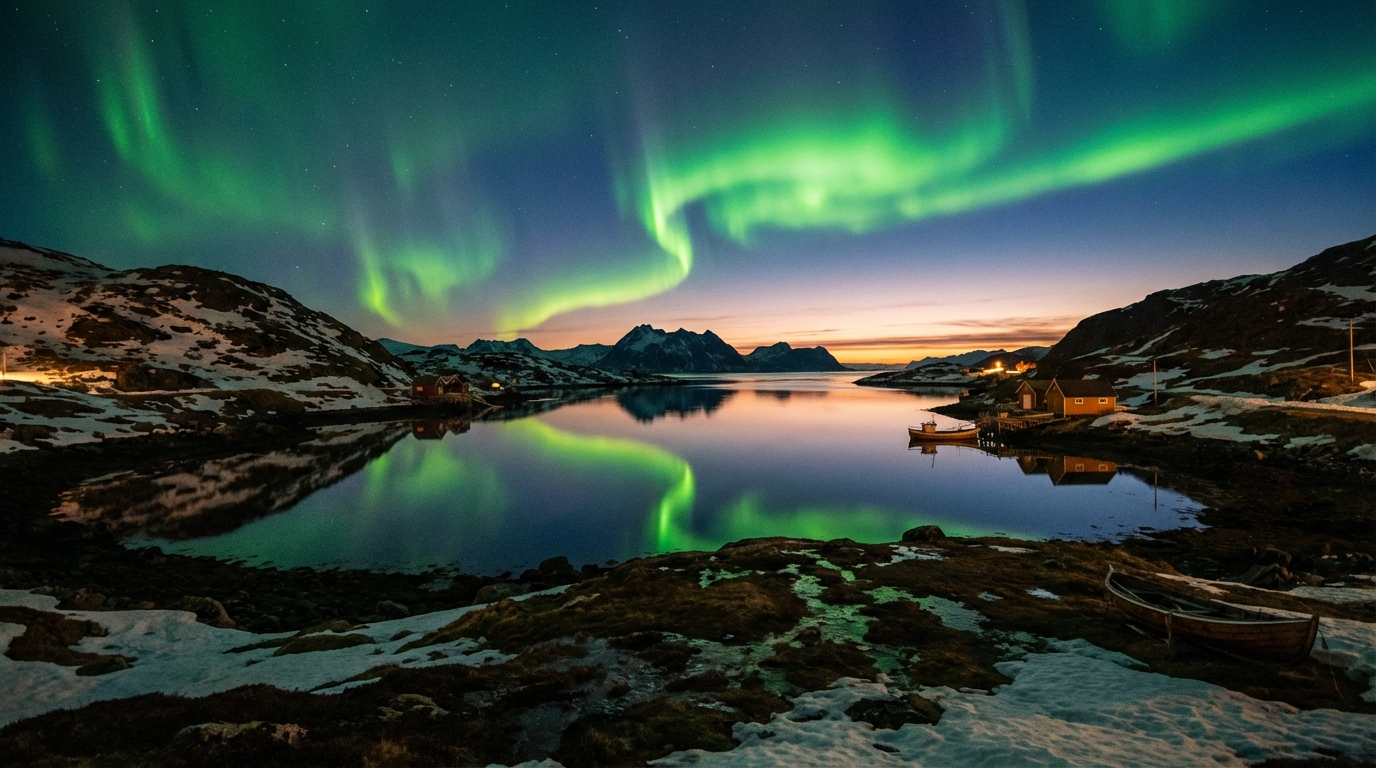
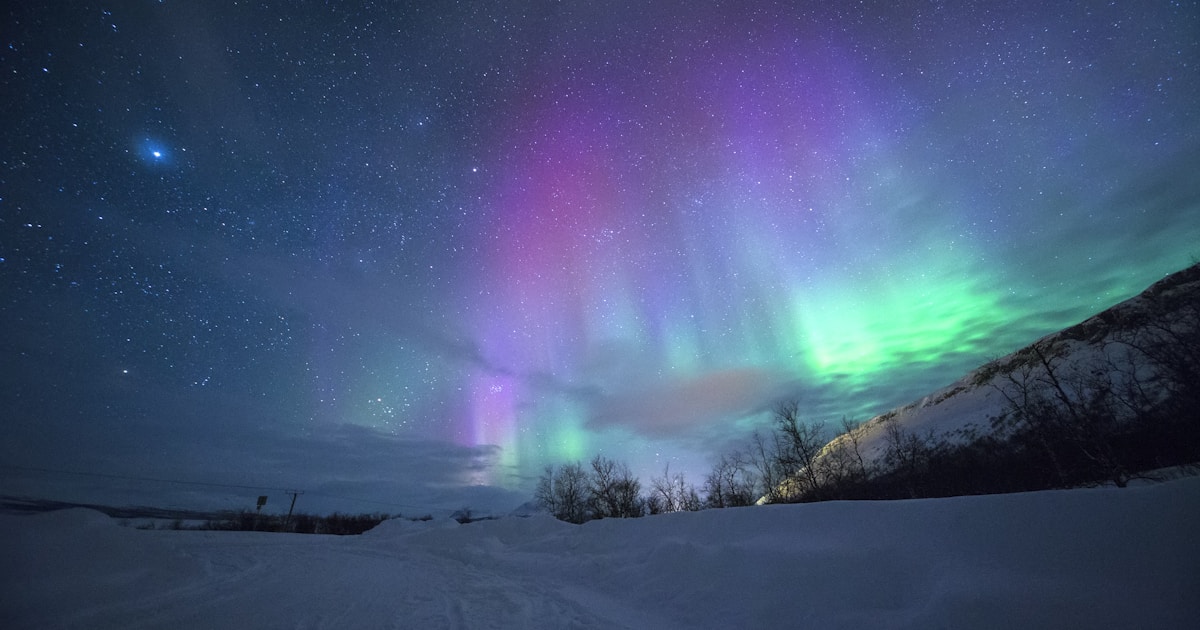
Green and violet aurora above a mountain skyline. Source: Jonatan Pie
Yes. October has dark nights for northern lights viewing across the main aurora destinations. But it does not guarantee snow or the start of every winter tour. Book an autumn aurora trip for the activities that are running, not for photographs of a January holiday.
Compared with September, October gives a longer night at northern bases. Compared with November, it may precede prepared winter trails and seasonal hotel construction. Longer darkness is not a success percentage, and a coastal autumn trip can still be disrupted by wind, rain or early ice.
A concise base comparison
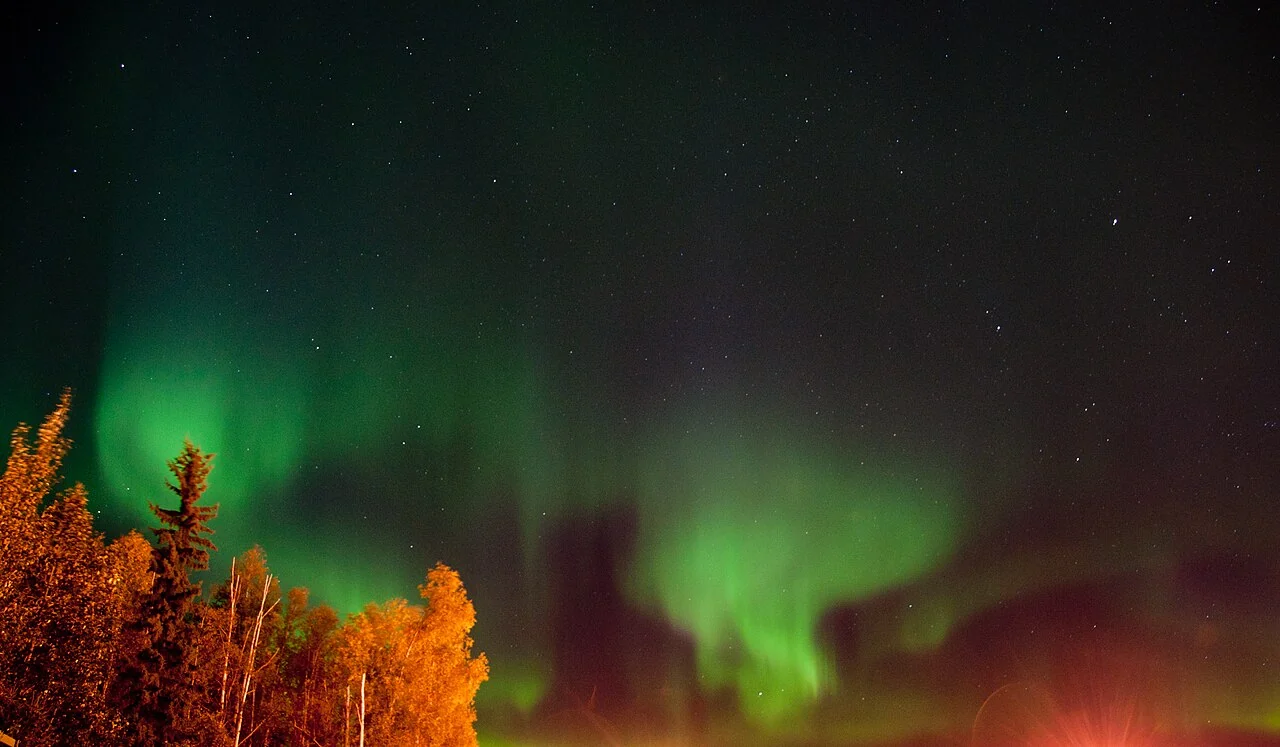
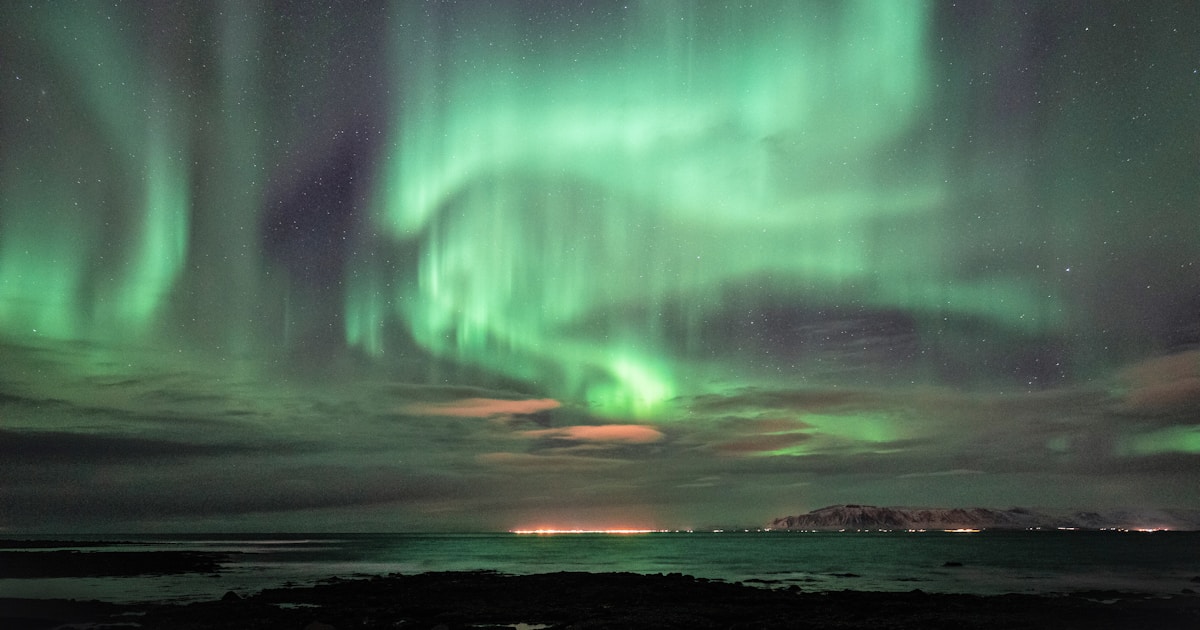
An aurora display above a dark northern landscape. Source: Unsplash
A trip organised around a specific viewing camp/package
Verify its autumn season and transfers; winter lake and snow activities are separate products
This table compares travel structures, not invented country odds. Use the Tromsø–Fairbanks comparison for the deeper transport decision, or the Sweden guide for the Abisko/Kiruna corridor.
Three actual seasonal boundaries
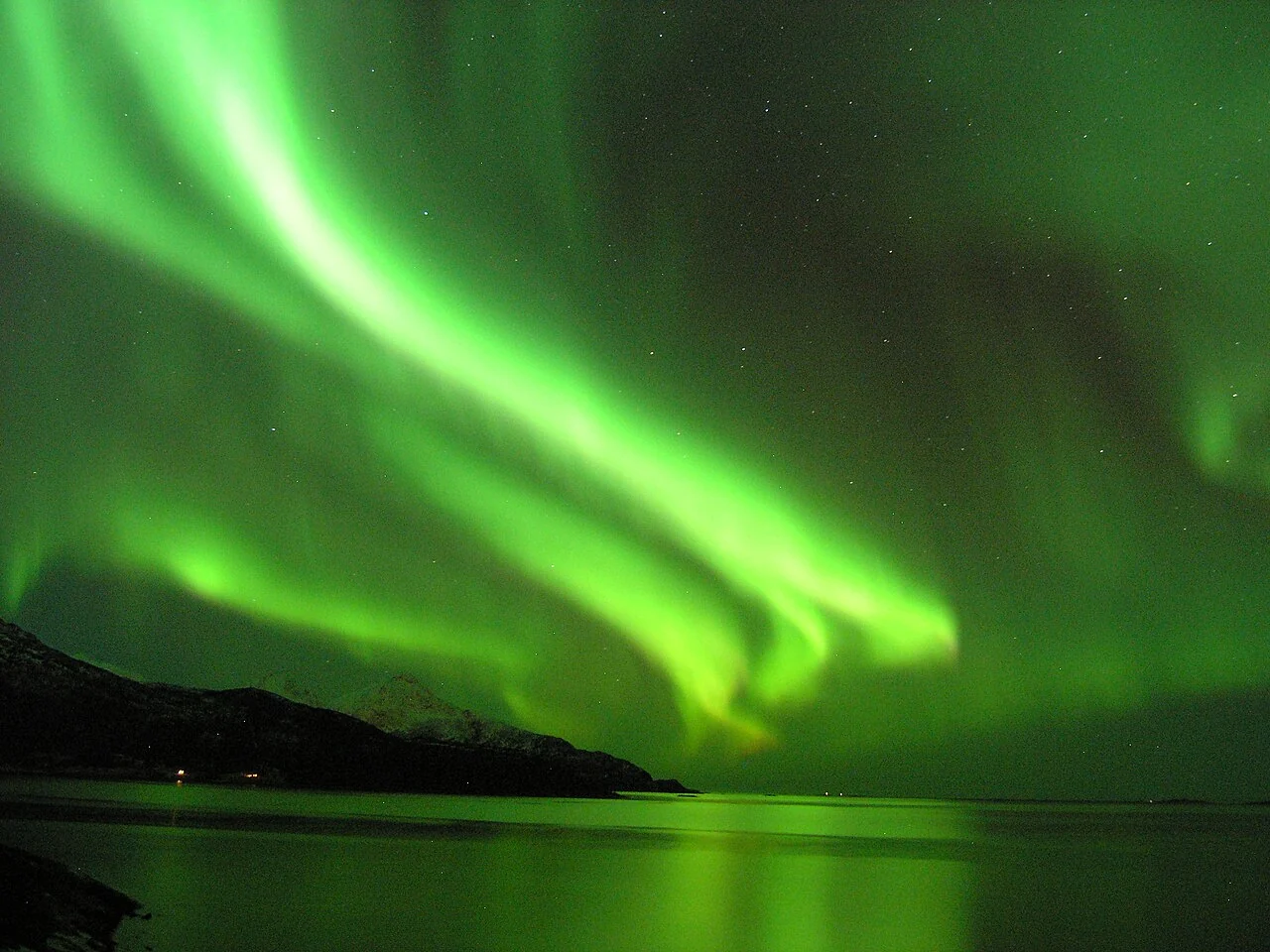
An aurora over mountains and a dark shoreline. Source: Unsplash
Visit Tromsø's husky guidance describes snow sledding as usually November–April, dependent on conditions. Some kennels offer wheeled carts before snow, when temperature allows it for the dogs. A cart excursion is not a snow-sled ride and can itself be temperature-limited.
Apukka's November programme publishes November's Winter Kickoff for 9–30 November 2026, with prepared stored-snow trails and an early-winter 3 km husky format. That supports a particular November purchase, not a generic claim that Lapland is snowy in October. Check the actual autumn product if you are visiting earlier.
ICEHOTEL 37's opening is dated 11 December 2026. An October visit or cold-room booking must identify what is actually available, such as a separate year-round facility, rather than assuming the seasonal construction is open.
There can still be substantial daytime outings. Brim's Silent Whale Watching currently publishes 1 October 2026–31 January 2027 and an 8–9-hour duration. Follow its selected vessel/date information: older FAQ text describes historical whale arrival and a different duration. A published programme does not guarantee sightings. Avoid pairing a long sea day with an obligatory late aurora chase if you need recovery or are travelling with children.
Road and weather decisions belong before the forecast chase
In Iceland, consult SafeTravel's winter-driving advice and current road/weather information before choosing a route. Ice, wind and short visibility can matter before the landscape looks fully wintry. Four-wheel drive is not protection against skidding, and a forecast showing less cloud elsewhere is not permission to pursue it on an unsuitable road.
For a short stay, keep a city or single regional base and choose one main daylight outing per day. A full Ring Road trip is a separate journey with driving time and buffers; do not assume a five-day aurora break can fit it. The Iceland itinerary explains the longer-route task.
For viewing on foot, scout legal access and a safe return in daylight. Stay off freeze-up lake ice, do not cross fenced/private land for a foreground and never stop in a traffic lane for a display. Use insulated waterproof footwear and a windproof layer, with dry gloves available for the evening.
What to check on an October viewing night
NOAA treats location, darkness, geomagnetic activity and weather as separate conditions. The equinox-related seasonal pattern is not a forecast for a particular October night. Kp is not a destination's trip success rate, and a high value cannot reveal a display through solid cloud.
Check local cloud and warnings, choose a safe reachable dark spot or confirm the tour meeting point, then consult the short-range aurora outlook. Aurora alerts can support this sequence. Leave several evenings available if you can, without promising that a fixed number of nights buys a particular probability.
October FAQ
Is October too early for northern lights?
No. The main northern aurora bases have night darkness again. The early-season issue is the activity and surface conditions around the trip, not a universal lack of darkness.
Will huskies, snowmobiles and ice hotels be running?
Not necessarily. A snow-dependent programme needs its own start date, and a year-round ice facility is different from a seasonal hotel build. Confirm your exact product.
Is late October always better?
It has more darkness at these northern latitudes, but weather and operations can change in either direction. Choose dates that fit the intended activity rather than treating the last week as a guaranteed upgrade.
Is October cheaper than December?
No general saving is established here. Compare the same room, occupancy, luggage, transfers and cancellation conditions using the whole-trip cost guide.
Seasonal sources checked 21 October 2026; operator dates and actual weather remain departure-specific.


_Photo_by_Giles_Laurent.jpg)