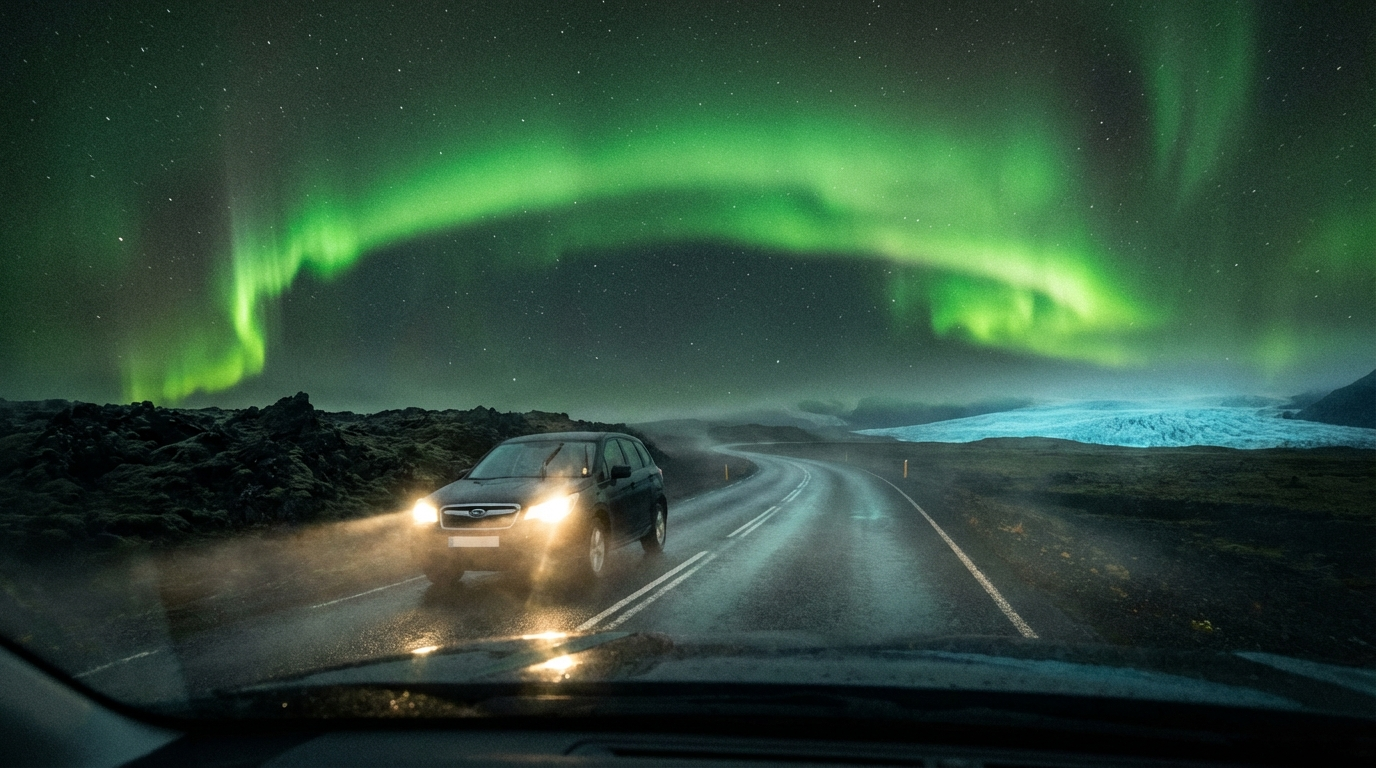
Iceland Ring Road Aurora Itinerary: A 10-Day Road Trip Optimised for the Northern Lights
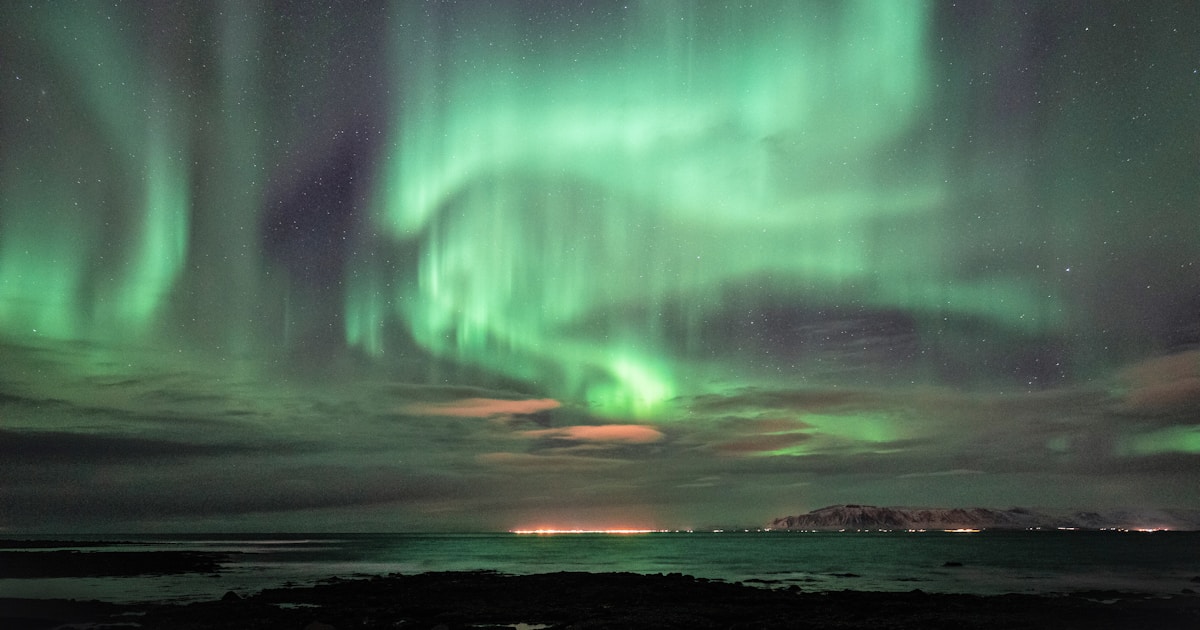
Iceland's Ring Road (Route 1) is one of the world's great road trips — 1,322 km looping around the entire island past waterfalls, glaciers, volcanic black sand beaches, geothermal hot springs, and fjords. Combine it with the northern lights season (September–March) and you have arguably the best self-drive aurora trip on Earth.
This itinerary is designed specifically for aurora season. Each overnight stop is chosen for dark-sky access, and the pace gives you time for daytime sightseeing and late-night aurora hunting without exhaustion.
Before You Go: Planning Essentials
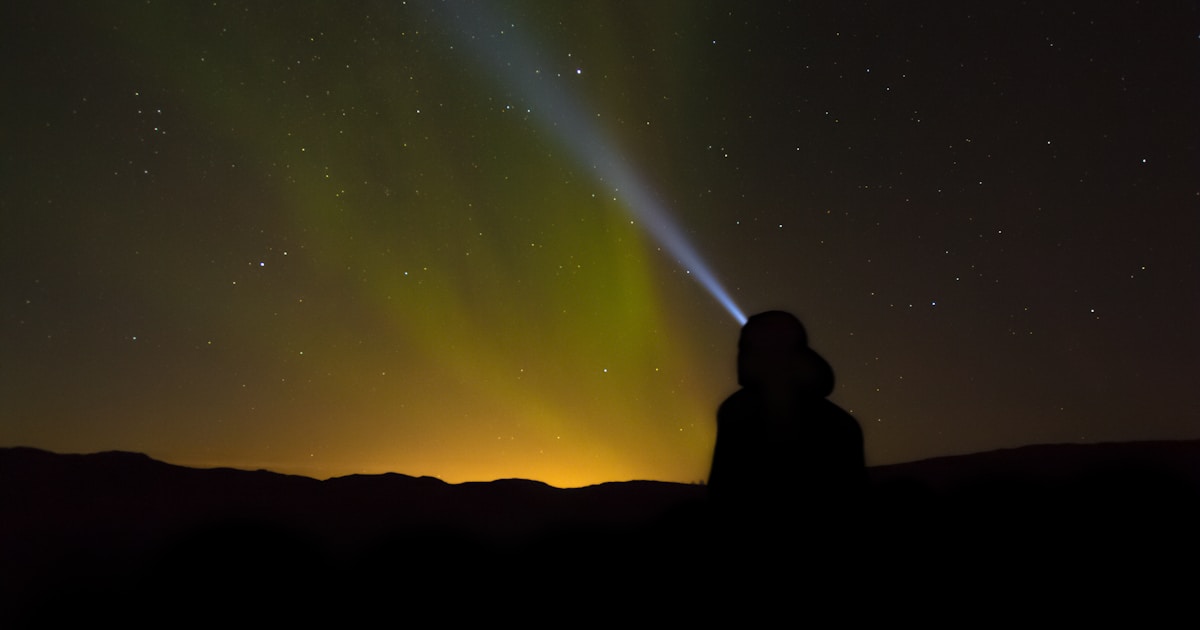
When: Late September to mid-March for aurora + driveable roads. October and February–March offer the best balance of darkness and manageable weather. December–January has more darkness but harsher conditions and very limited daylight (4–5 hours).
Car: A 4WD is essential in winter. Iceland's weather changes rapidly and many roads are icy or snow-covered. All major rental companies at Keflavík Airport offer 4WDs with studded tyres in winter.
Driving: Winter driving in Iceland requires respect. Check road.is daily for conditions. Drive slowly, don't stop on the road for photos, and never drive in high winds (your car door becomes a sail). If conditions are bad, stay put — Icelanders consider this common sense, not failure.
Aurora forecasting: The Icelandic Met Office (vedur.is) provides a combined aurora + cloud cover forecast that's the single most useful tool for planning each evening. Green aurora forecast + clear skies = go.
Budget: Allow for fuel (~€250–300 total), accommodation (€100–250/night for guesthouses/hotels), food (expensive — budget €50–80/day or self-cater), and attractions.
Day 1: Arrive in Reykjavik
Drive: Keflavík Airport → Reykjavik (50 km, 45 minutes)
Pick up your rental car and drive to Reykjavik. Settle in, stock up on groceries at Bónus (the pink pig logo — cheapest supermarket), and get your bearings.
Daytime: Walk the city centre — Hallgrímskirkja church, the harbour, Laugavegur shopping street. Visit the excellent Perlan museum (northern lights planetarium show and ice cave).
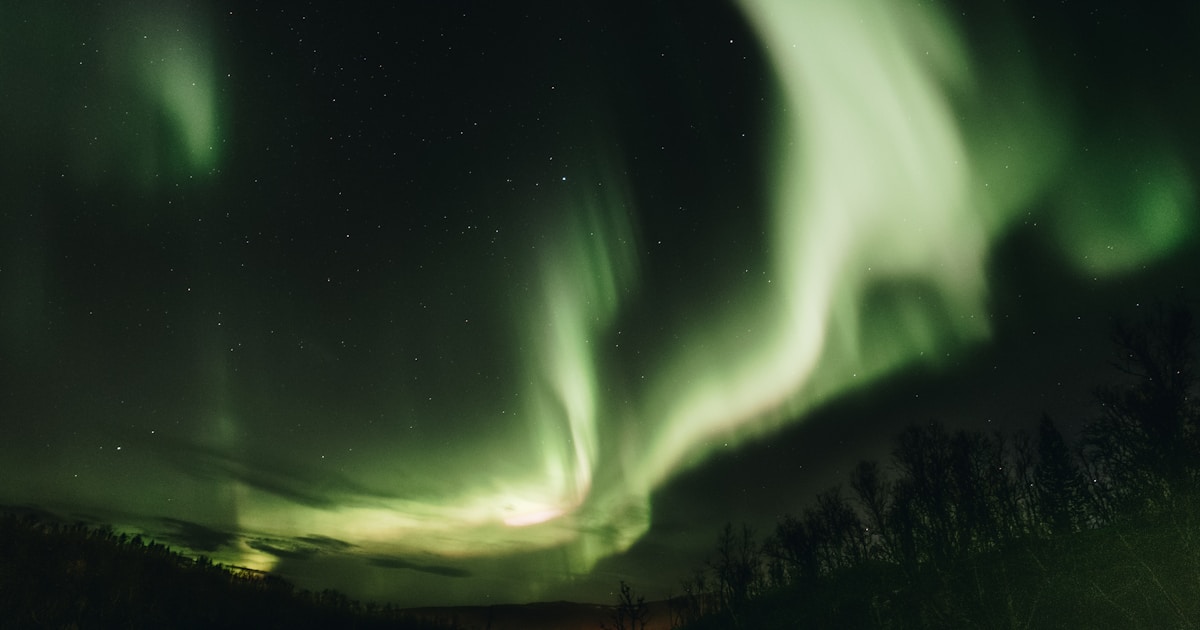
Aurora: Grótta lighthouse on the western tip of Reykjavik offers dark skies 10 minutes from the city centre. Check the aurora forecast and head there if conditions look good. The Seltjarnarnes peninsula is another excellent spot.
Stay: Reykjavik
Day 2: Golden Circle
Drive: Reykjavik → Golden Circle → Selfoss (approximately 230 km loop)
The Golden Circle is Iceland's most popular day route and it's popular for good reason.
Stops:
- Þingvellir National Park — walk between the North American and Eurasian tectonic plates. Extraordinary geology and history (site of the world's oldest parliament).
- Geysir geothermal area — watch Strokkur geyser erupt every 5–10 minutes, shooting boiling water 20–30 metres into the air.
- Gullfoss waterfall — one of Iceland's most powerful waterfalls, especially dramatic in winter when partially frozen.
- Kerið crater lake — volcanic crater with vivid blue-green water.
Aurora: The area around Þingvellir is excellent for aurora watching — dark skies, open landscapes, and the lake provides reflections. If you're still in the area after dark, stop at Þingvellir before heading to your accommodation.
Stay: Selfoss or Flúðir area (good hot springs at Secret Lagoon in Flúðir)
Day 3: South Coast to Vík
Drive: Selfoss → Vík (180 km, 2.5 hours without stops)
Stops:
- Seljalandsfoss — the waterfall you can walk behind. In winter, the path behind may be icy — bring microspikes.
- Skógafoss — 60-metre curtain of water, incredibly photogenic. Climb the stairs to the top for views.
- Sólheimasandur plane wreck — the famous DC-3 wreckage on a black sand beach (4 km walk each way from the car park).
- Reynisfjara black sand beach — dramatic basalt columns and sea stacks. Respect the waves — sneaker waves are genuinely dangerous here.
- Dyrhólaey arch — a massive natural arch with views over the black sand coast. Puffins nest here in summer; in winter it's windswept and atmospheric.
Aurora: Vík has minimal light pollution and the black sand beaches make extraordinary aurora foregrounds. Reynisfjara at night under the aurora is one of Iceland's most iconic photography locations.
Stay: Vík
Day 4: Vík to Glacier Lagoon
Drive: Vík → Jökulsárlón (190 km, 2.5 hours)
The drive between Vík and Jökulsárlón passes some of Iceland's most dramatic glacial scenery.
Stops:
- Skaftafell (Vatnajökull National Park) — glacier hiking tours depart from here. Book a guided glacier walk on Svínafellsjökull if time and conditions allow.
- Jökulsárlón Glacier Lagoon — icebergs calving from Breiðamerkurjökull glacier float in a deep lagoon before drifting out to sea. Seals bob among the ice. One of the most surreal landscapes on Earth.
- Diamond Beach — directly opposite Jökulsárlón, icebergs wash up on black sand. They look like scattered diamonds.
Aurora: Jökulsárlón under the northern lights is the single most photographed aurora location in Iceland. The aurora reflecting in the lagoon with icebergs floating below is genuinely extraordinary. Set up your tripod at the lagoon shore and wait. This alone is worth the trip.
Stay: Accommodation near Jökulsárlón (limited options — book well in advance) or Höfn
Day 5: East Fjords
Drive: Jökulsárlón → Egilsstaðir (270 km, 3.5 hours)
The east coast is Iceland's quiet side — dramatic fjords, tiny fishing villages, and virtually no tourist crowds.
Stops:
- Höfn — a charming fishing town, famous for langoustine. Stop for lunch.
- East Fjord coastal road — the road weaves in and out of fjords with stunning views. Stop wherever the scenery demands it.
- Djúpivogur — tiny village with an art installation of oversized eggs on the harbour.
- Fáskrúðsfjörður — a fjord with French heritage (19th-century French fishing history). Atmospheric in winter mist.
Aurora: The east fjords offer some of Iceland's darkest skies — there's almost no light pollution. Lake Lagarfljót near Egilsstaðir provides calm water reflections.
Stay: Egilsstaðir
Day 6: Egilsstaðir to Mývatn
Drive: Egilsstaðir → Mývatn (165 km, 2 hours)
Stops:
- Dettifoss — Europe's most powerful waterfall. The ground trembles. Access road may be closed in deep winter — check road.is. If accessible, the east bank (route 864) offers the best views.
- Selfoss (not the southern town) — a beautiful horseshoe-shaped waterfall upstream from Dettifoss.
- Ásbyrgi canyon — a horseshoe-shaped canyon that Norse mythology says was formed by the hoofprint of Odin's eight-legged horse, Sleipnir.
Mývatn area:
- Mývatn Nature Baths — the north's answer to the Blue Lagoon but smaller, cheaper, and with better views. Perfect after a day of driving.
- Námaskarð geothermal area — bubbling mud pots and fumaroles on a Mars-like landscape. Free to visit.
- Dimmuborgir lava formations — eerie pillars and arches of solidified lava.
Aurora: Mývatn is one of the best aurora locations in Iceland — inland location means less coastal cloud, and the lake provides reflections. The Mývatn Nature Baths sometimes offer aurora-watching sessions from the warm water.
Stay: Mývatn area
Day 7: Húsavík and Akureyri
Drive: Mývatn → Húsavík → Akureyri (130 km total)
Stops:
- Húsavík — Iceland's whale-watching capital. In winter, whale watching still operates (humpbacks are present year-round) though with fewer departures. The Whale Museum is excellent regardless of season.
- Goðafoss — the "waterfall of the gods." Beautifully symmetrical and dramatic in winter ice. 30 minutes from Akureyri.
Akureyri:
Iceland's second city (population: 19,000) has excellent restaurants, a botanical garden, and a cosy town centre. It's the urban highlight of northern Iceland.
Aurora: Drive 15 minutes outside Akureyri in any direction for dark skies. Eyjafjörður (the fjord) provides a dramatic aurora backdrop.
Stay: Akureyri
Day 8: Tröllaskagi Peninsula
Drive: Akureyri → Tröllaskagi → Blönduós (200 km, 3 hours with stops)
The Tröllaskagi (Troll Peninsula) between Akureyri and Siglufjörður is one of Iceland's hidden gems.
Stops:
- Dalvík — small fishing town with a great fish soup restaurant (Gísli, Íslenski Barinn).
- Ólafsfjörður — accessed through single-lane tunnels. Dramatic fjord setting.
- Siglufjörður — Iceland's northernmost town with the excellent Herring Era Museum. The setting — a tiny town at the base of steep mountains on a fjord — is spectacular.
- The mountain road between Siglufjörður and the Ring Road passes through tunnels and over mountain passes with extraordinary views (check winter accessibility).
Aurora: The remote northwest has dark skies and the route offers numerous pullover spots near calm fjord water.
Stay: Blönduós or Hvammstangi
Day 9: Snæfellsnes Peninsula
Drive: Blönduós → Snæfellsnes (220 km, 3 hours)
Snæfellsnes is often called "Iceland in Miniature" — glaciers, lava fields, fishing villages, cliffs, and beaches all on one peninsula.
Stops:
- Kirkjufell mountain — Iceland's most photographed mountain, especially the iconic view from Kirkjufellsfoss waterfall. Under the aurora, this is one of the most famous photography compositions in the world.
- Snæfellsjökull glacier — the glacier-capped volcano from Jules Verne's Journey to the Centre of the Earth. Visible from much of the peninsula.
- Arnarstapi — coastal walk along dramatic cliffs with natural arches and basalt formations.
- Djúpalónssandur — black pebble beach with remnants of a shipwreck.
- Búðir — tiny hamlet with a famous black church, photogenic against snow.
Aurora: Kirkjufell under the northern lights is a bucket-list shot. Set up at the small bridge near Kirkjufellsfoss facing north with the mountain in the frame. Even without the aurora, the starscape over Kirkjufell is stunning.
Stay: Snæfellsnes (Grundarfjörður or Stykkishólmur)
Day 10: Return to Reykjavik
Drive: Snæfellsnes → Reykjavik (190 km, 2.5 hours) or → Keflavík Airport (230 km, 3 hours)
Options:
- Deildartunguhver — Europe's most powerful hot spring, en route to Reykjavik
- Hraunfossar and Barnafoss — unique waterfalls where water seeps through a lava field. Beautiful in winter.
- Krauma geothermal baths — near Deildartunguhver, a relaxing final stop
If your flight is evening or next day, return to Reykjavik for last-minute shopping, a meal at one of the city's excellent restaurants, or one final aurora hunt at Grótta.
Stay: Reykjavik or near Keflavík Airport for early departure
Aurora Tips for the Ring Road
Check vedur.is every evening. The Icelandic Met Office aurora page shows predicted activity AND cloud cover on one map. Green aurora + clear sky = hunt.
Be flexible. If your planned stop is cloudy but the forecast shows clear skies 30 minutes away, drive to the gap. Cloud chasing is part of the game.
Calm water = double aurora. Fjords, lakes, and lagoons provide reflections that make aurora photos twice as dramatic. This itinerary passes dozens of reflection opportunities.
Wind is real. Iceland's wind can make tripod photography difficult. Shield your setup, use a heavy tripod, and hang your bag from the centre column.
Don't drive distracted. Pull over completely before looking at the sky. Driving while aurora-watching on icy roads is how accidents happen.
Stay up late. The best displays often happen between 10 PM and 2 AM. Plan to sleep in some mornings — winter daylight doesn't start until 10–11 AM anyway.
Iceland's Ring Road in aurora season is one of the most rewarding road trips you can take. Every day brings new landscapes, every night brings the possibility of the northern lights, and the whole thing is achievable in 10 days with a rental car and a sense of adventure.
Explore our detailed destination guides for each stop: Reykjavik, Vík, Mývatn, Akureyri, and Snæfellsnes.