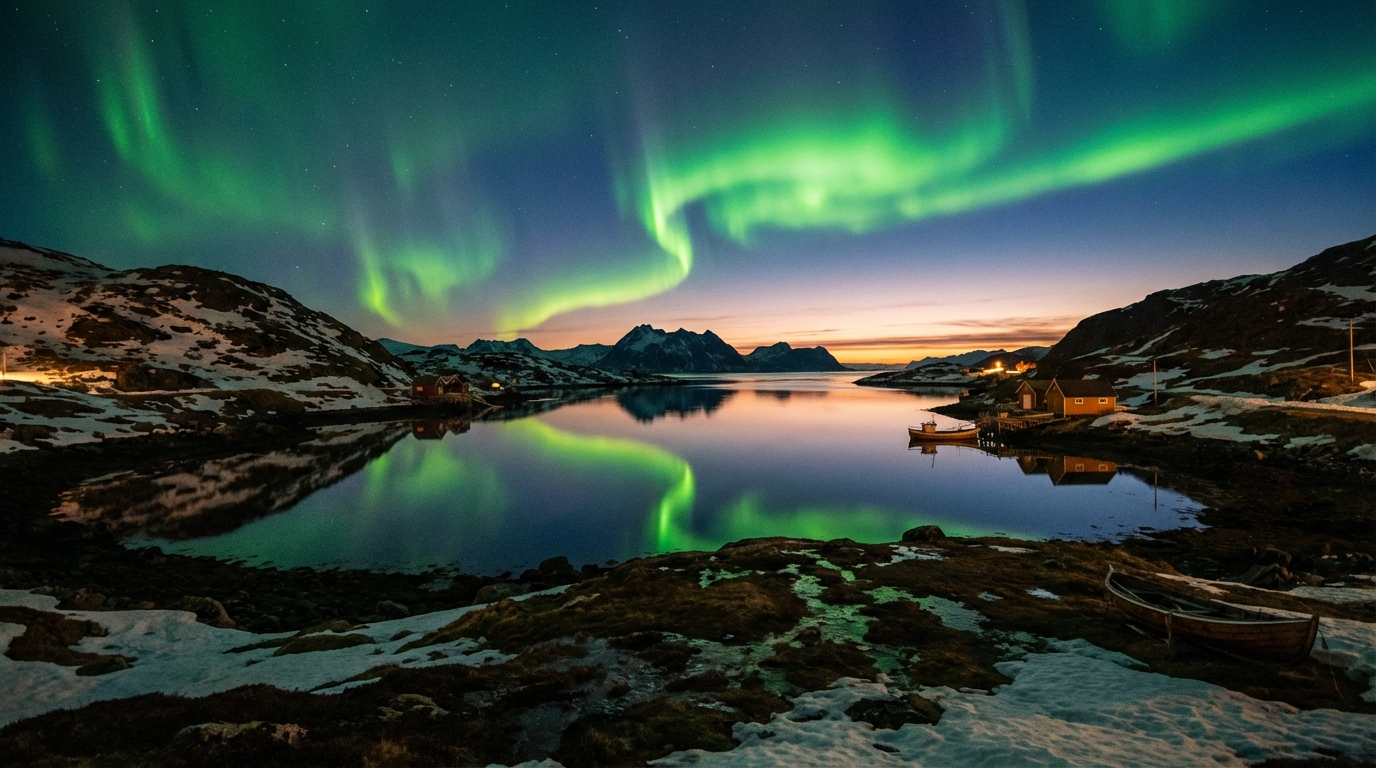
Can You See the Northern Lights in November? Early-Winter Aurora Guide
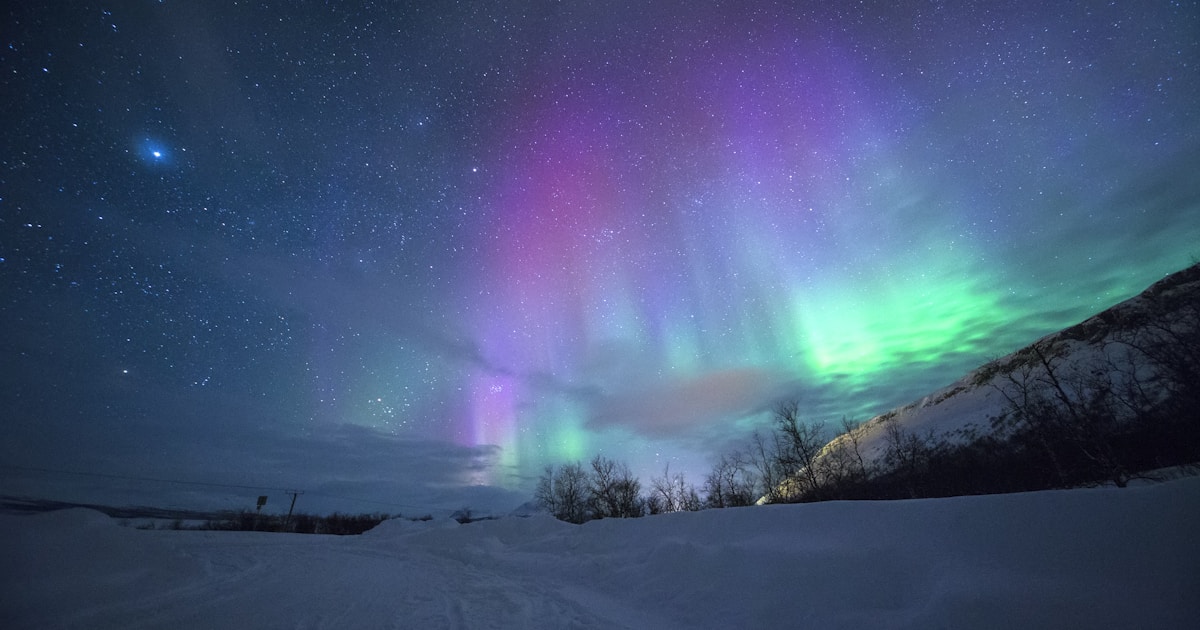
Quick answer: yes. November is one of the first genuinely winter-like northern lights months across the aurora belt. Places such as Tromsø, Abisko, Fairbanks, Rovaniemi, Yellowknife and Iceland all have enough darkness for aurora viewing.
November sits between the comfortable autumn window and the deep-winter peak. Compared with October, you get longer nights, more winter atmosphere and better odds of snow in inland Arctic destinations. Compared with December, you may get fewer holiday crowds and slightly easier prices, but conditions are more transitional: some winter tours have not fully ramped up, coastal weather can be messy, and snow cover is not guaranteed everywhere.
Use November if your main goal is aurora viewing with early-winter scenery, not if you need guaranteed Christmas atmosphere or a full menu of winter activities. If you can choose nights after arrival, compare live Kp, darkness and cloud-cover signals with PolarTourist aurora alerts before staying out late.
November Northern Lights Verdict
| Question | Practical answer |
|---|---|
| Can you see the northern lights in November? | Yes. November has real night across the main aurora destinations. |
| Is November better than October? | Usually for darkness and winter feel; October can be milder and less icy. |
| Is November better than December? | Often easier for avoiding peak holiday demand, but December has longer nights and more festive activities. |
| Best November destinations? | Fairbanks, Yellowknife, Abisko, Tromsø/Alta, Finnish Lapland and Iceland away from city light. |
| Main planning risk? | Cloud, early-season road ice and uneven snow/activity openings. |
| Best viewing hours? | NOAA says aurora is usually strongest within an hour or two of local midnight, roughly 10pm to 2am. |
Why November Works for Aurora Trips
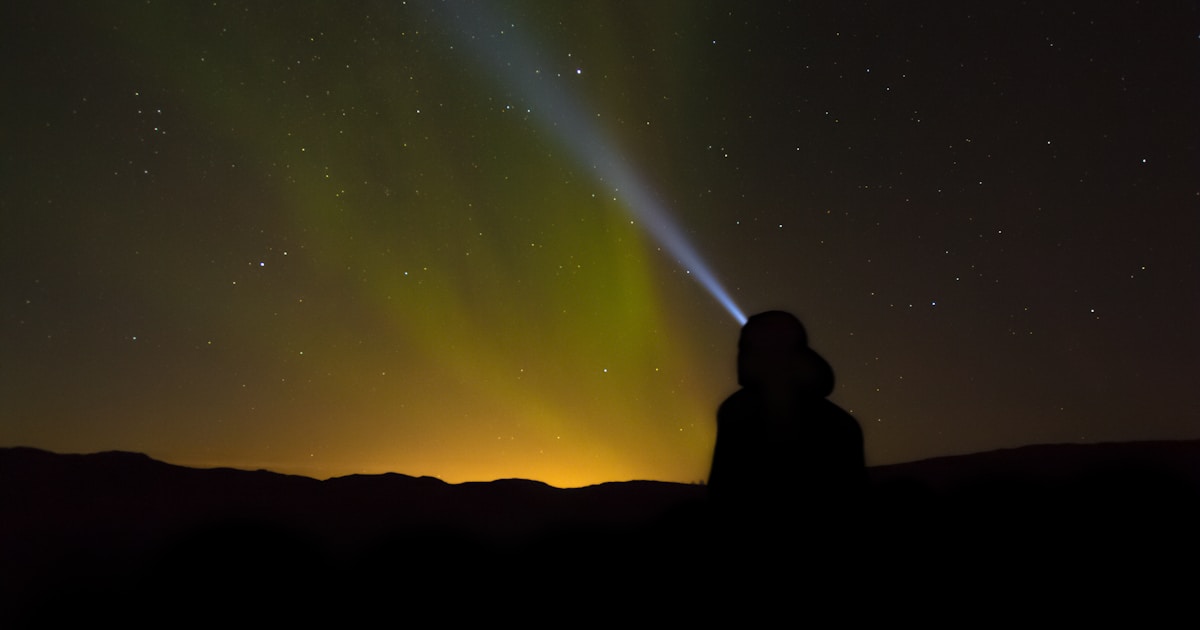
Aurora viewing needs three practical ingredients: geomagnetic activity, darkness and clear sky. November solves the darkness problem across the high north. The midnight sun is long gone, evenings are dark, and in Arctic Scandinavia the day length is shrinking quickly toward polar night.
The month is also close enough to the autumn equinox period that geomagnetic activity can still be lively, especially during the declining phase of Solar Cycle 25. That does not mean every November night is active. It means November gives you enough dark hours to take advantage when NOAA/SWPC forecasts and local cloud windows line up.
The tradeoff is weather. Coastal places such as Tromsø, Iceland and the Faroe Islands can see rain, wind and cloud. Inland places such as Fairbanks, Yellowknife, Abisko and Finnish Lapland are often colder, but they can be drier and more stable. If the aurora matters more than city restaurants or fjord scenery, inland usually deserves serious consideration.
Best Places to See the Northern Lights in November
| Destination | November strengths | November caveats | Best for |
|---|---|---|---|
| Fairbanks, Alaska | Long aurora season, inland weather, strong aurora infrastructure | Cold nights, car logistics and longer travel from Europe | North American aurora-focused trips |
| Yellowknife, Canada | Dark inland skies and aurora-focused lodges/tours | Very cold by late month; fewer casual city comforts | High-odds aurora trips with cold-weather tolerance |
| Abisko, Sweden | Dark skies, mountain microclimate reputation, easy link with Kiruna | Remote feel; activity mix depends on snow and operator dates | Rail-access Lapland aurora trips |
| Tromsø, Norway | Tours, restaurants, fjords and good flight access | Coastal cloud and rain risk; tours may drive far | First-time Arctic travellers who want infrastructure |
| Rovaniemi, Finland | Easy Lapland logistics, family activities starting to appear | City light and early-season snow variability | Families and Santa/Lapland trips with aurora as one goal |
| Reykjavik/Iceland | Road-trip flexibility and dramatic landscapes | Cloud, wind and city light; you often need to leave Reykjavik | Travellers combining aurora with waterfalls, glaciers and road trips |
November vs October, December and March
| Month | Better than November for | Worse than November for |
|---|---|---|
| October | Milder weather, shoulder-season comfort, autumn colour | Shorter nights and less winter atmosphere |
| November | Balance of darkness, early winter and pre-holiday travel | Transitional snow/activity schedules |
| December | Long nights, Christmas markets, Santa trips and full winter mood | Holiday pricing, short daylight and busier family destinations |
| March | More daylight for activities, spring equinox, easier cold | Later booking window and less early-winter atmosphere |
Planning Notes by Trip Style
Best November trip for pure aurora odds
Choose an inland aurora base such as Fairbanks, Yellowknife or Abisko, stay at least three nights, and keep your evenings flexible. A shorter city break can work, but aurora chasing improves when you are not locked into one cloudy night.
Best November trip for a first Arctic holiday
Choose Tromsø or Rovaniemi if you want simple flights, tours, restaurants and winter activities. Tromsø is better for fjord scenery and guided aurora chasing. Rovaniemi is better for families who want Lapland activities around the aurora rather than a trip focused only on late-night viewing.
Best November trip for landscapes
Choose Iceland if waterfalls, glaciers and volcanic scenery matter as much as the lights. Treat the aurora as a night-by-night bonus, and build enough flexibility into the route to escape cloud and city light.
Best November trip for photographers
Choose a place with dark foregrounds, easy late-night access and realistic weather backups. Abisko, Fairbanks and Iceland can all work, but they solve different problems: Abisko for dark mountain scenes, Fairbanks for inland aurora reliability, Iceland for dramatic foregrounds with more weather risk.
What to Check Before Booking November
- Darkness window: November gives enough darkness, but city light still matters. Book accommodation or tours with access to darker viewing spots.
- Cloud patterns: A strong aurora forecast is wasted under solid cloud. Coastal destinations need mobility or multi-night flexibility.
- Activity opening dates: Do not assume every winter tour runs from 1 November. Some husky, snowmobile, ice and reindeer products depend on snow or local schedules.
- Road conditions: Early winter can mean icy roads before travellers feel winter-ready. If you are not comfortable driving on snow or ice, lean toward guided tours or city-based transport.
- Moon phase: A full moon does not stop aurora viewing, but it can reduce contrast for faint displays and photography.
- Alert plan: Use forecast tools as a decision aid, not a promise. Aurora alerts are most useful when you can act on them locally.
November Aurora Forecasting: What Actually Matters
NOAA/SWPC describes aurora viewing as a mix of geomagnetic activity, location, darkness and timing. Kp is a 0–9 geomagnetic index: higher values usually push aurora farther from the poles and make displays brighter, but the relationship is approximate and local conditions still matter.
For a November trip, do not chase one forecast screenshot months in advance. Plan the trip around good geography and multiple nights, then use short-range forecasts and cloud checks during the trip. The most useful question is not "Will November be good?" It is: "Where will I have clear, dark sky during the active hours tonight?"
Is November Worth It?
November is worth it if you want a serious aurora month before the Christmas rush. It is dark enough, often already snowy in inland destinations, and practical for travellers who want winter atmosphere without waiting until January or March.
Choose it with honest expectations: aurora is never guaranteed, coastal weather can block otherwise good nights, and early-season activity schedules vary. If you give yourself several nights and pick a destination that matches your tolerance for cold, darkness and logistics, November can be one of the smartest months for a northern lights trip.
Sources and Freshness
This guide was last updated in August 2026. It uses NOAA/SWPC aurora-viewing guidance for Kp, timing, darkness and cloud caveats; Travel Alaska/Explore Fairbanks material for the Fairbanks aurora season; and Visit Abisko material for Abisko's September-to-early-April viewing season and local microclimate context. Always confirm tour opening dates, road conditions and local weather close to travel.