What to Pack for an Arctic Trip: The Definitive Checklist for 2026
Guide17 February 2026·11 min read

What to Pack for an Arctic Trip: The Definitive Checklist for 2026

Field-tested packing list for any Arctic trip — clothing layers, photography gear, and what not to bring for aurora hunting in Norway, Finland, Sweden, Iceland, Canada, and Alaska.

What to Pack for an Arctic Trip: The Definitive Checklist for 2026

Packing for the Arctic is fundamentally different from any other kind of travel. Get it right and you'll be comfortable at -25°C, standing under the northern lights for hours, or riding a dogsled through Finnish birch forest. Get it wrong and cold, wet misery follows — because once your core temperature drops, no amount of scenic beauty makes up for it.

This guide covers everything: what to wear, what to bring, what to leave home, and the specific gear choices that make a real difference in cold conditions. It's written for Aurora trips to Norway, Finland, and Sweden, but applies equally to Iceland, Canada, and Alaska.

The Arctic Layer System: Understanding the Framework

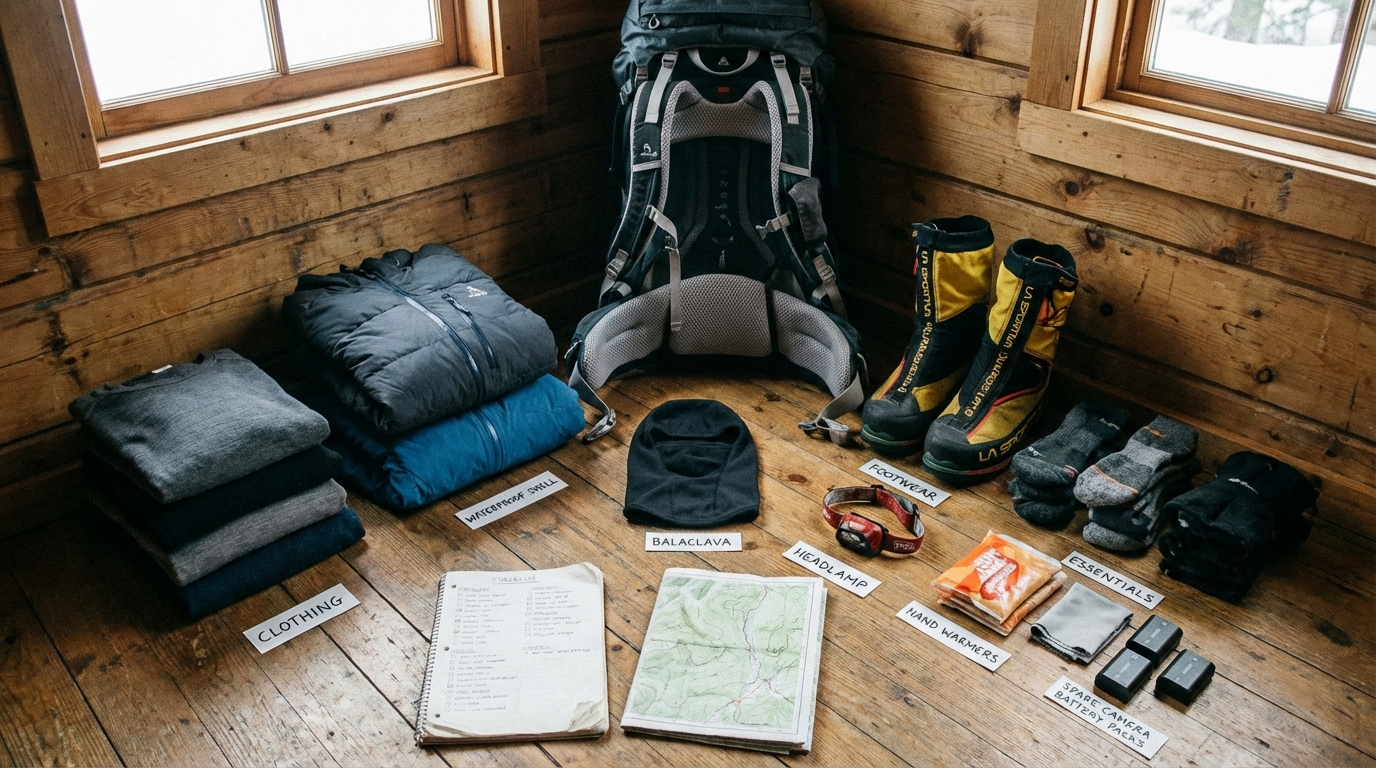
Arctic dressing isn't about putting on one big coat. It's about three distinct layers that work together — each with a specific function. Understand this system and packing becomes logical.

Base Layer: Sits against your skin. Job: manage moisture (sweat) and maintain a thin warm layer. Must be non-cotton.

Mid Layer: Sits over the base. Job: trap warm air, provide bulk insulation. Can be multiple layers.

Outer Shell: The windproof, waterproof barrier between you and the elements. Job: block wind and wet, not provide warmth directly.

This system works because you can adjust it. Walking to a viewing spot? Remove the mid layer to avoid sweating. Standing still for 2 hours watching aurora? Add the mid layer and zip up the shell.


The Clothing Packing List

Base Layers

✅ Merino wool top (long sleeve) × 2
Merino is the gold standard: warm, moisture-wicking, odour-resistant, soft against skin. Brands: Icebreaker, Smartwool, Dilling. Weight: 200–260gsm for winter.

✅ Merino wool bottoms (long john style) × 2
Same merino logic for legs. Essential for standing still in extreme cold.

Do NOT bring: Cotton base layers. "100% cotton" is dangerous in real cold — it absorbs sweat, holds moisture, and chills you rapidly. Even cotton-blend socks are second-rate.

Alternative: Synthetic base layers (Patagonia Capilene, Under Armour ColdGear) work well and are cheaper than merino. Less odour-resistant but functionally excellent.


Mid Layers

✅ Fleece jacket (midweight or heavyweight)
Polarfleece doesn't absorb moisture and continues insulating even when damp. Patagonia R2, Arc'teryx Delta, or any quality fleece. Wear over your base layer.

✅ Down or synthetic-fill insulated jacket
This is your primary warmth layer. Down is lighter and compresses better but loses insulation when wet. Synthetic (Primaloft, Thermoball) maintains warmth when damp — better for humid/snowy conditions.

For most Arctic aurora trips: a synthetic insulated jacket rated to -15°C (e.g., Patagonia Nano Puff, Arc'teryx Cerium, Rab Microlight). Budget option: Uniqlo Ultra Light Down Plus works surprisingly well for the price.

✅ Fleece or insulated trousers/salopettes
Leg insulation is often under-packed. Standing still for aurora watching, your legs get cold faster than your torso. Mid-layer trousers (fleece-lined or lightweight down-fill) make a huge difference. Alternatively, hardshell ski trousers with fleece underneath.


Outer Shell (Windproof + Waterproof)

✅ Hardshell jacket (waterproof, windproof, breathable)
Gore-Tex or equivalent. This is your outer armour. Wind is the primary enemy in the Arctic — it strips heat from your body even at mild temperatures. A good shell stops this completely.

Recommendations: Arc'teryx Beta AR, Patagonia Torrentshell (budget), Haglöfs Spitz (mid-range).

✅ Hardshell or waterproof trousers
Over your mid-layer trousers for wet snow, wind, and snowmobile riding. Many tour operators in Tromsø and Rovaniemi provide these (ask when booking).

Note: Many guided tour operators — particularly in Tromsø and Rovaniemi — provide full-body thermal suits for aurora tours. If you're doing guided tours, you may only need base and mid layers, with the shell provided.


Extremities: Hands, Head, Feet

Hands are where most people go wrong — carrying one pair of gloves that does nothing well.

✅ Thin liner gloves × 2 pairs
Forced wool or synthetic liners. Wear inside outer gloves for extra warmth, or alone when you need dexterity (camera controls, phone, tying laces). Essential for photography.

✅ Heavy insulated mittens
Mittens are warmer than gloves (fingers warm each other). For -20°C standing still: mittens only. For camera use: switch to liners. Choose mittens with a wrist loop so you can drop them to access camera controls.

✅ Spare gloves/liners × 1 pair
Gloves get wet or lost. A spare pair costs little and solves a real problem.

Head and Face:

✅ Warm beanie / hat covering ears
Wool or fleece. Non-negotiable.

✅ Balaclava or neck gaiter
For windy nights, a balaclava that covers the chin and neck is vastly better than a scarf. Merino balaclavas are comfortable enough to wear for hours.

✅ Goggles (optional but useful)
For snowmobile safaris or very windy conditions. Ski goggles work perfectly.

Feet:

Cold feet ruin aurora nights more than anything else. People under-invest here consistently.

✅ Merino wool socks × 4 pairs (thick)
Don't bring cotton socks to the Arctic. Thick merino (like Darn Tough or Smartwool) makes a genuine difference.

✅ Winter boots rated to -30°C
This is non-negotiable if you're spending time outdoors in -10°C or colder. Recommended brands:

  • Sorel Caribou (classic, reliable, ~$180)
  • Baffin Impact (~$250)
  • Kamik Momentum (~$120, budget)
  • Muck Boot Arctic Sport (waterproof, ~$200)

Tip: Many Tromsø and Rovaniemi tour operators provide thermal boots as part of their aurora experience. Check before buying if you'll primarily be on guided tours.


What NOT to Bring

  • Denim jeans: Heavy, takes forever to dry, no insulation when wet. Leave them home.
  • Cotton anything (base layers, socks): Already mentioned. Cotton kills comfort in cold.
  • Thin running trainers: Fine for the hotel but useless outdoors. Bring only winter boots.
  • Your lightest fleece: Bring the substantial one. Thin fleeces are barely better than nothing at -10°C.

Electronics Packing List

✅ Camera body with manual mode
Any DSLR or mirrorless. See our camera guide for northern lights photography for specific recommendations.

✅ Wide-angle lens (14–24mm, f/2.8 or wider)
The most important piece of photography kit. A fast wide lens is more impactful than a camera upgrade.

✅ Sturdy travel tripod
No photos without this. Carbon fibre is lighter and handles cold better than aluminium. Minimum height: your eye level. The Joby GorillaPod is not stable enough for aurora work — get a proper tripod.

✅ Extra batteries × 3 minimum
Cold destroys battery life. Keep spares warm inside your jacket, rotating them as they die. This applies to camera batteries, phone batteries, and power banks.

✅ Portable power bank (20,000mAh)
Keep this warm inside your jacket for phone charging on cold nights. Anker PowerCore 20000 is reliable.

✅ Remote shutter release / intervalometer
Prevents camera shake. Wireless or wired, either works. Alternatively, use the camera's 2-second self-timer.

✅ Memory cards × 2+
RAW aurora files are large (25–60MB each). Bring at least 128GB total. Duplicate onto a second card or laptop.

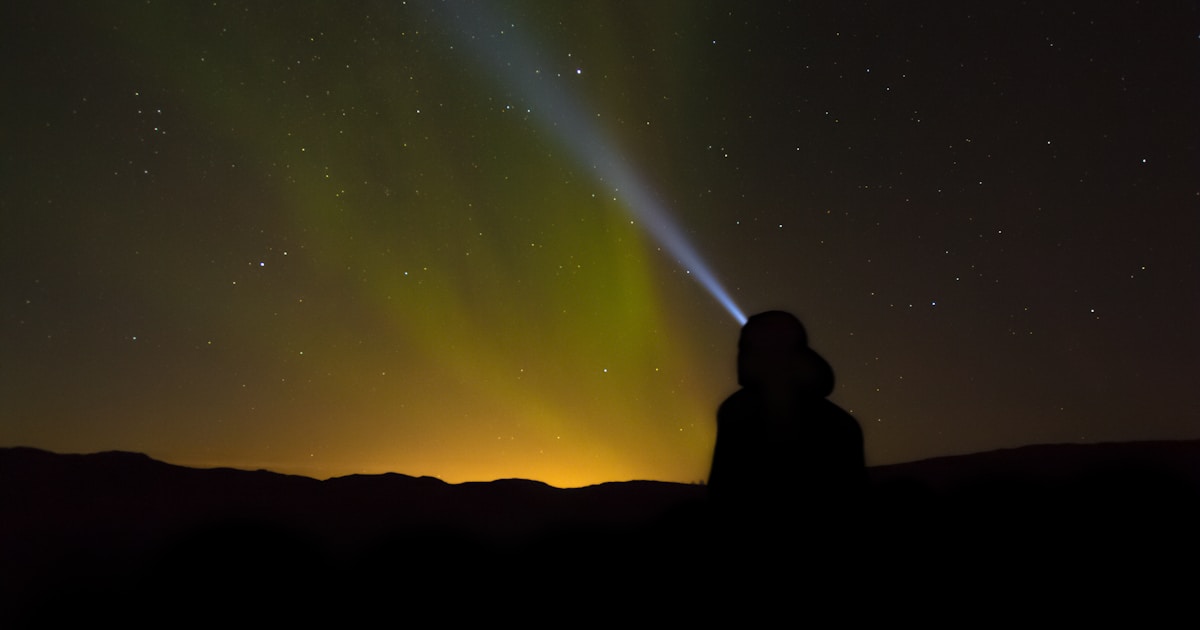
✅ Headtorch with red light mode
White light destroys night vision for 20+ minutes. Red light preserves it. Petzl Tikka or Black Diamond Spot are classics.

✅ Smartphone with aurora forecast apps
Download: SpaceWeatherLive, My Aurora Forecast, and your destination's local weather app (Yr.no for Norway, Ilmatieteenlaitos for Finland, Vedur for Iceland).

✅ Universal power adapter (if needed)
Norway, Finland, and Sweden all use Type F (Europlug). Iceland uses Type F. All 230V.


Practical Gear

✅ Reusable insulated water bottle (1L)
Hydration matters in the cold. Hot drinks from a flask are extraordinary on a cold aurora night. Many operators provide hot drinks, but having your own flask is a good backup.

✅ Thermos flask (0.75–1L)
Fill with coffee, tea, or hot chocolate before heading out. Nothing beats warm drinks at 1am under the aurora.

✅ Day pack / rucksack (20–30L)
For day excursions: carry extra layers, camera gear, lunch, thermos.

✅ Dry bag or pack cover
Protect camera gear and electronics from wet snow.

✅ Ziplock bags (assorted)
For camera storage when moving between cold and warm environments (prevents condensation).

✅ Hand and foot warmers (chemical heat packs)
Haltja, HotHands, or equivalent. Pop one in each boot before long outdoor stints. Instant morale boost at -20°C.

✅ Sunglasses (polarised, UV400)
Snow reflection is intense. UV damage to eyes is real, even in winter. Essential for Svalbard and other snow-heavy destinations.

✅ Sunscreen SPF 30+
Surprises most people, but UV reflection off snow is intense. Exposed skin (face, neck) burns in Arctic sun, even at -10°C.

✅ Lip balm with SPF
Arctic air is dry and wind causes chapping. Use it constantly.


Toiletries and Health

✅ Prescription medications with extra supply
Arctic conditions make it hard to find specific medications. Carry at least 2 weeks' supply more than your trip length.

✅ Ibuprofen/paracetamol
Cold weather + unfamiliar activities = aches and pains.

✅ Rehydration sachets
Dehydration sneak-attacks in the cold because you don't feel thirsty.

✅ Moleskin/blister plasters
New winter boots cause blisters. Treat early.

✅ Heavy-duty moisturiser
Arctic air is extremely dry. Lips, face, and hands need constant attention.


Documents and Money

✅ Travel insurance documents
Highly recommended for any Arctic trip. If you're visiting Svalbard (which has polar bears and remote wilderness), insurance is essential.

✅ Driving licence (if renting a car)
Renting a car gives you freedom to chase clear skies — invaluable for aurora hunting.

✅ Local currency
Norway and Finland both largely accept cards (even very small purchases). But have some cash (NOK or EUR) for emergencies.


What Guided Tour Operators Typically Provide

If you're booking guided aurora tours (recommended for first-timers), check what's included:

Typically provided by Tromsø and Rovaniemi aurora operators:

  • Thermal expedition suits (full-body)
  • Waterproof boots
  • Warm hat and gloves
  • Hot drinks (coffee, tea, hot chocolate)
  • Campfire and warming stops

If your operator provides all of the above, your personal packing requirement drops significantly — you mainly need comfortable base and mid layers for getting to and from the tour vehicle.


Final Packing Tips

Weigh your luggage. Arctic clothing is bulky. Check airline baggage allowances before you pack — Scandinavian domestic flights (Oslo→Tromsø, Helsinki→Rovaniemi) often have 23kg limits.

Pack layers, not weight. A lightweight fleece + light down + hardshell weighs less and works better than one heavy "expedition parka." Modularity is everything.

Leave room for shopping. Norwegian and Finnish outdoor gear stores (Intersport, Stadium, XXL) often have great deals. You can buy forgotten items on arrival.

Test your boots at home. Wear your winter boots around the house for a week before your trip. Identify problems before you're in the Arctic.

Plan your Arctic adventure with our destination guides to Tromsø, Rovaniemi, Abisko, and Svalbard.

#packing#gear#clothing#checklist#arctic#winter#planning#northern-lights
HomeDestinationsActivities
Search
My Trip