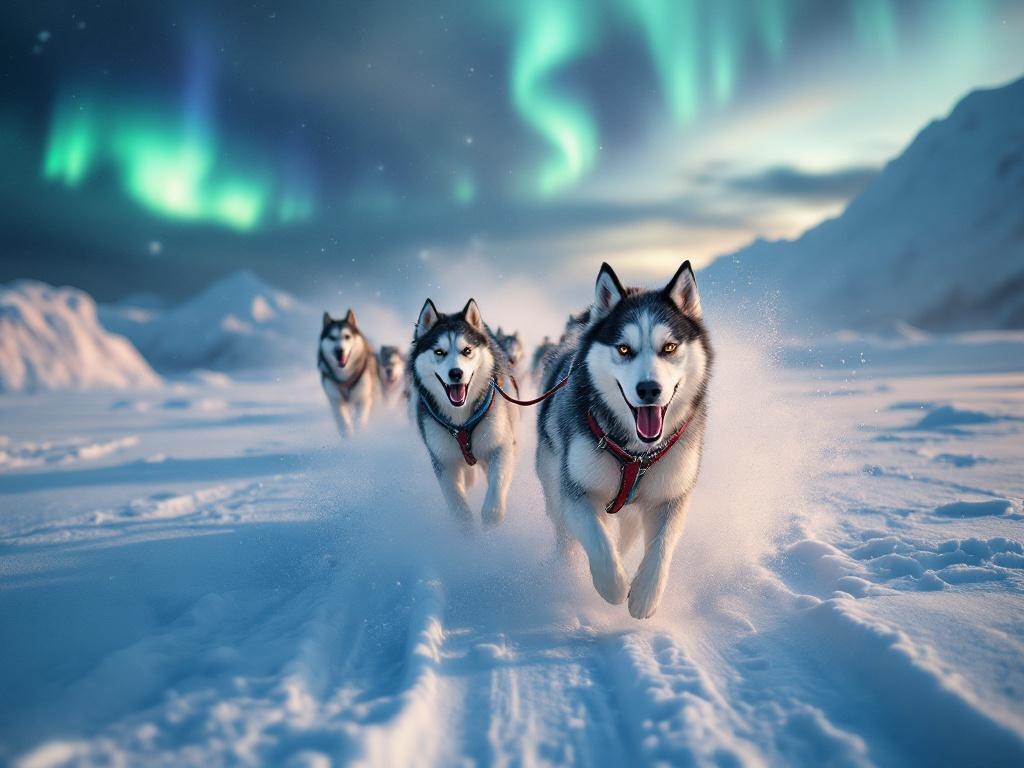
Husky Sledding in Norway: Complete Guide 2026
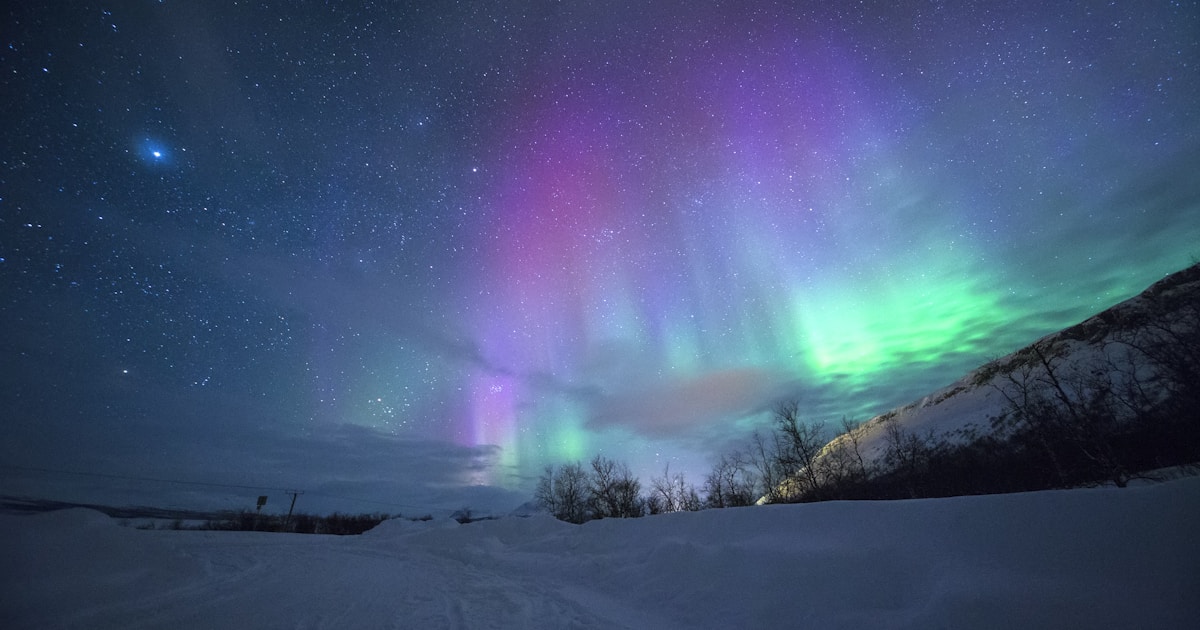
Norway is one of the strongest dog-sledding destinations in Europe because the experience can feel more rugged and remote than in many resort-heavy Lapland itineraries. It is also one of the pricier places to book, so choosing the right destination matters.
For most travelers, the main decision is whether they want easy access from a major Arctic city like Tromso, a colder inland base such as Alta, or an outright expedition feel in Svalbard.
The short answer
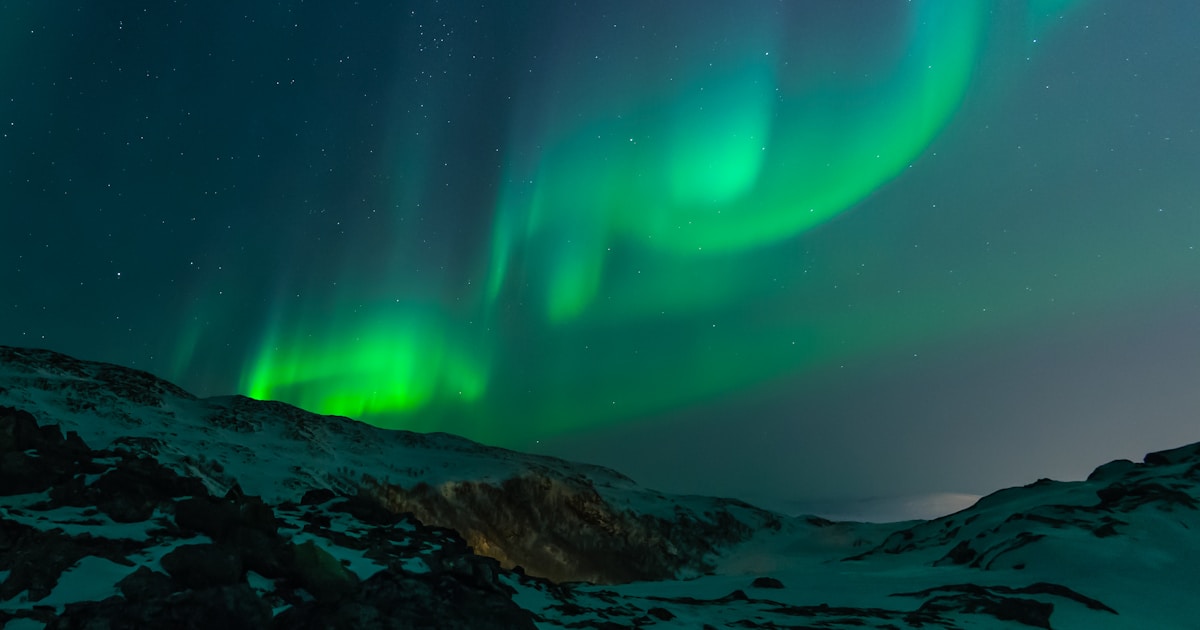
- Tromso is best for convenience and multi-activity trips.
- Alta is often better for colder, drier inland conditions and a more authentic kennel environment.
- Svalbard is the most distinctive option, but also the most expensive and logistically specific.
- Norway is excellent for travelers who want husky sledding to feel like a serious outdoor activity, not just a themed stop.
Best places for husky sledding in Norway
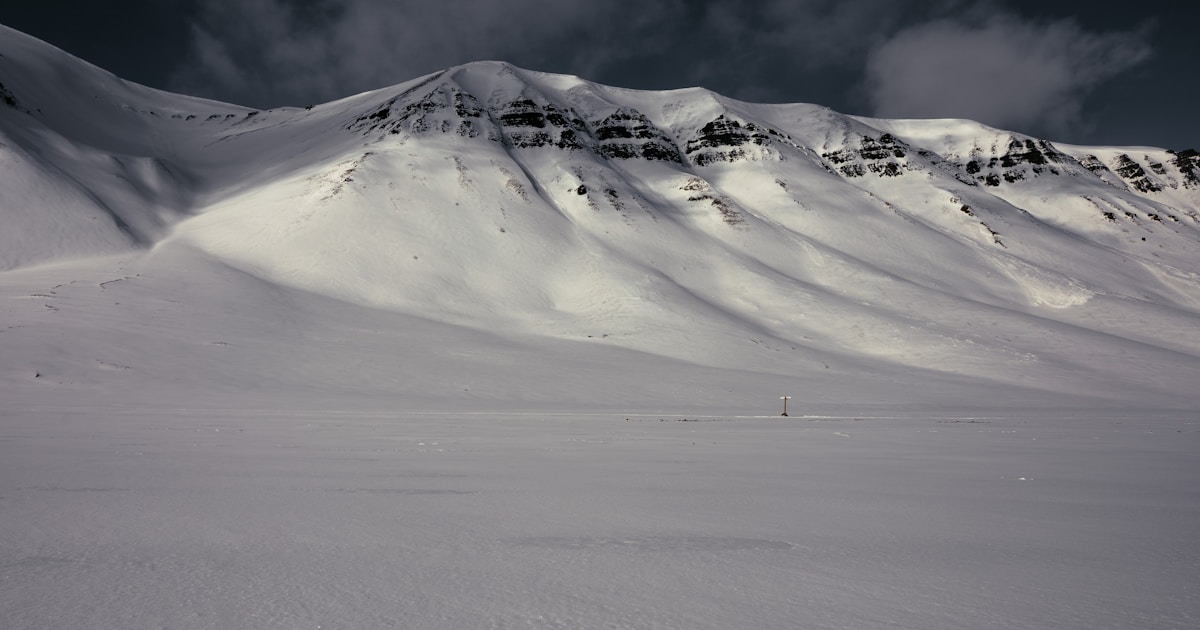
Tromso
Best for: first-time Arctic visitors, short stays, combining dog sledding with aurora trips and city diningTromso has the simplest flights, the broadest winter-tour ecosystem and enough operator choice to suit most travelers. It is a practical base rather than automatically the wildest one.
The tradeoff is that some kennels require a road transfer from the city, and weather on the coast can be milder and wetter than travelers expect. That does not make Tromso a weak choice, but it does mean the experience can feel less remote than the marketing suggests.
Alta
Best for: travelers prioritizing colder inland snow conditions, outdoor-focused itineraries and fewer crowdsAlta has a stronger wilderness reputation and often a more serious dog-sledding atmosphere than Tromso. It is particularly appealing for people who want the activity itself to be a headline reason for the trip.
Svalbard
Best for: experienced winter travelers, bucket-list trips, expedition atmosphereDog sledding in Svalbard feels very different from mainland Norway. The landscape is treeless, the logistics are tighter, and the overall trip usually feels more remote and more expensive. If your budget allows it, it is one of the most memorable options in the Arctic. If flexibility and value matter more, mainland Norway is often easier.
Lofoten Islands
Best for: scenic road trips where dog sledding is an add-on, not the main reason to goLofoten can work, but it is usually less of a specialist dog-sledding destination than Tromso, Alta or Svalbard. Choose it for the broader scenery-led trip, not because it is the strongest pure sledding base.
What kind of tour should you book?
Introductory tours
Best for first-timers, families and travelers fitting several activities into one visit. These can still be enjoyable, but read carefully to understand how much time is spent on the sled versus clothing changes and transfers.Longer self-drive safaris
These are usually the best-value premium option because you get enough trail time to feel rhythm, silence and scenery rather than just a quick taste.Full-day and multi-day trips
Norway is particularly good for travelers who want a more demanding, outdoor-led experience. Costs rise quickly, but so does the sense that this is a real winter journey rather than a short excursion.What Norway tours usually cost
| Experience | Typical price |
|---|---|
| Short shared tour | NOK 1,600 to 2,800 |
| Half-day safari | NOK 2,400 to 4,000 |
| Full-day safari | NOK 3,800 to 6,500 |
| Svalbard premium trip | often higher |
Best time to go
December to January
Good for dramatic winter atmosphere, aurora-focused trips and short daylight. Coastal weather can be more variable than many visitors assume.February to March
Usually the strongest overall window. You get better daylight, stable snow in many areas, and easier conditions for photography.Shoulder considerations
Early-season snow quality can vary on the mainland, while Svalbard has its own operational constraints tied to weather, safety and guide protocols.Norway-specific planning realities
Coastal versus inland weather
This matters more in Norway than many travelers realize. Tromso can be damp or windy when inland regions are colder and clearer.Transfers can shape the day
A Tromso activity may still involve a substantial drive to the kennel. That is not a problem if you expect it, but it changes how much active trail time you get.Svalbard is not a casual add-on
Trips there are more expensive, require stricter planning, and often work best for travelers already committed to a dedicated Svalbard itinerary.Common mistakes
Choosing only by the most famous destination name
The strongest dog-sledding day is not always in the place with the most flights.Underestimating price differences
Norway can look similar to Finland on a map, but premium experiences here often cost noticeably more.Ignoring cold management
Even when operators provide outer gear, hands and feet are where comfort breaks down first.Who should choose Norway?
Norway is a great fit for travelers who want a polished but still serious Arctic winter trip, especially if dog sledding is one part of a wider itinerary with northern lights, fjord scenery or lodge stays. Travelers seeking the cheapest entry point usually find better value in Finnish Lapland or Sweden.
Booking advice
- Book at least several weeks ahead for standard winter dates.
- Book well ahead for Tromso holiday weeks and Svalbard departures.
- Compare tours by trail time, group size and transfer length, not just rating and headline duration.
- If weather risk worries you, avoid placing your only must-do dog-sledding day on the final day of the trip.