Can You See the Northern Lights in May? The Early-Month Twilight Boundary
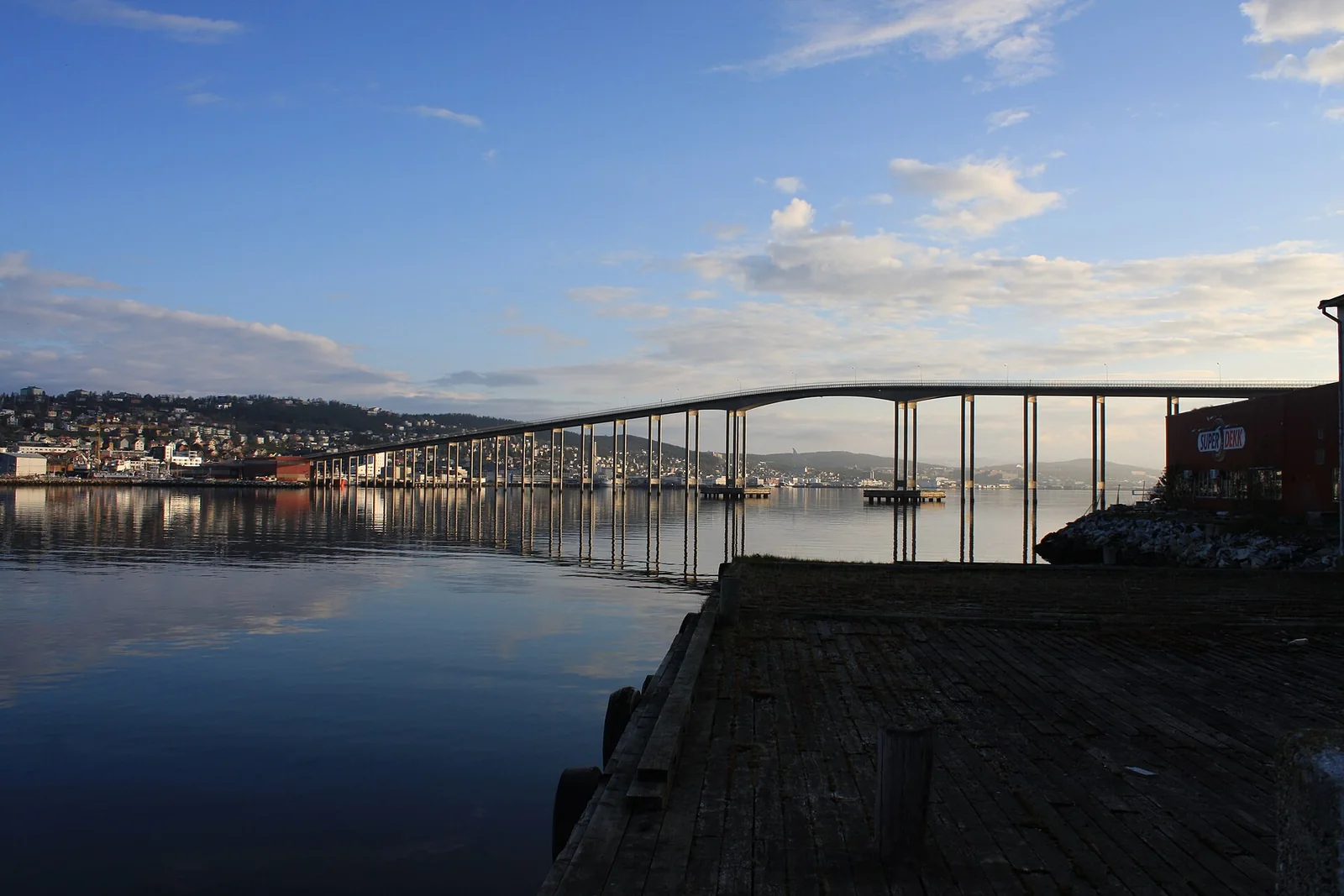
May is not a sensible month for an aurora-first Arctic holiday. It is not because auroral activity stops: darkness disappears rapidly as the north moves towards summer. Early May at a lower-latitude base is not identical to late May in the high Arctic, but that distinction is a reason to check the sky if already there, not to sell a normal winter-style chase.
Visit Tromsø gives its ordinary viewing season as late August to early April. Visit Norway gives Tromsø midnight sun from 20 May–22 July and Svalbard from 20 April–22 August. Going farther north in May does not buy more night.
What early May actually permits: Reykjavík as an example
The Reykjavík May 2026 sun table shows the change clearly. Times below are local Iceland clock times; they describe the sun, not a forecast of clear weather.
| Date | Sunrise–sunset duration | Overnight light condition | Planning meaning |
|---|---|---|---|
| 1 May | 16 hours 52 minutes | Civil twilight ends about 23:02 and resumes about 03:50; nautical twilight continues through the deeper part of the night | An already-present traveller can check a stronger display during the darker twilight interval; it is not a dark winter night. |
| 15 May | 18 hours 24 minutes | Civil twilight ends about 00:16 and resumes about 02:31; no astronomical night | The more useful contrast window is shorter and later; a fixed evening tour timetable may not correspond to it. |
| 31 May | About 20 hours | Civil twilight lasts through the remaining night | Treat the trip as a bright-night journey rather than an aurora outing. |
This gives early May at about 64°N a different sky from Svalbard's continuous daylight. It does not establish a success probability or make Reykjavík an endorsed May aurora destination. Brightness of the display, cloud, moonlight and artificial light still matter. A photograph from an exceptional storm is not evidence for normal seasonal reliability.
If you are already there, keep the decision local
Check the exact twilight table and local cloud forecast before considering a late look outside. Use the Icelandic Met Office aurora and cloud forecast for Iceland, and remember that a space-weather number is not an observation of your sky. Choose a legal, easily reached land-based viewpoint scouted in daylight. Do not drive farther north or make a long tired road journey merely to turn a marginal May night into a chase.
The University of Alaska Fairbanks guide separates activity from the day/night boundary. Alerts can prompt a check when a location has a plausible light window; they cannot create one. Keep the next morning free if you do stay up late, rather than building a demanding itinerary around a speculative sighting.
Choose May for the trip it can deliver
If dates are fixed, book for daylight scenery and actual operating activities. Use the May travel budget guide for transport and opening-calendar choices. May is not automatically cheaper, snow-free or easier to drive everywhere; compare your dates and don't assume a summer excursion has started.
If the sun remaining visible is the goal, use the midnight-sun guide. Reykjavík's white nights and Tromsø's late-May midnight sun are different experiences. Svalbard needs its own guided access plan, not a generic wildlife or road-trip promise.
Move the dates if aurora is essential
April retains an earlier dark-season opportunity, which also changes rapidly through the month. June is the solstice-bright period, not a better version of May. For a purpose-built northern-lights trip, choose a base's published autumn/winter season; September and March are useful planning starting points without being weather guarantees.
Is May impossible everywhere in the northern hemisphere?
No. Lower latitudes can have darker skies, and exceptional activity can extend visibility. That is different from recommending a May Arctic aurora holiday. The useful answer is location- and date-specific, not a universal impossibility claim.
Should I buy a May northern-lights tour?
Only after the operator explains the actual date, place, light window and cancellation/product terms. Do not buy an ordinary Arctic aurora promise based on winter images or a “year-round activity” statement alone.