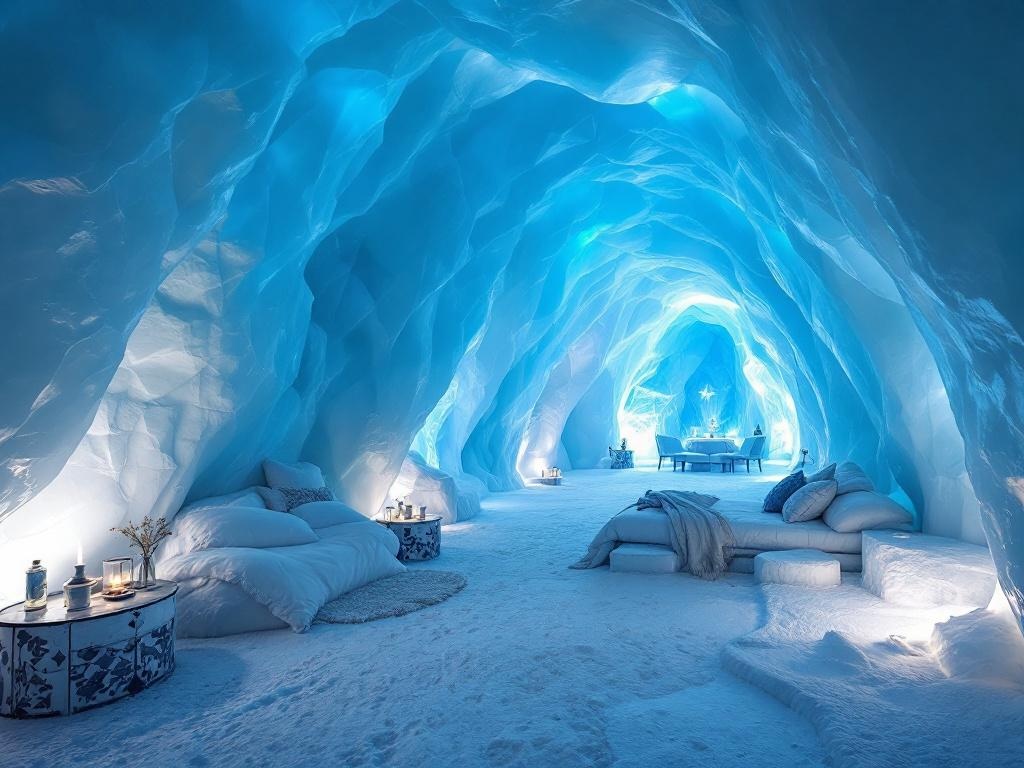
Ultimate Guide to Ice Cave Exploration: Natural Caves, Safety, and Seasons
Ice cave exploration covers two very different products: natural glacier caves that form and collapse with the season, and more controlled ice tunnels or permanent man-made attractions. The distinction matters because the risk, price, and experience level are completely different.
Know Which Type of Cave You Are Booking
| Type | What it is | Best for | Main tradeoff |
|---|---|---|---|
| Natural ice cave | Seasonal cave shaped by meltwater and freezing | Travellers who want the real glacier experience | Conditions change, access is never guaranteed |
| Ice tunnel or man-made cave | Stabilised visitor route in or under ice | Families, low-risk sightseeing, shoulder seasons | Less wild and less unique |
| Combo glacier + cave tour | Cave visit plus glacier walk or super jeep approach | Visitors wanting a fuller day | Higher cost and more variables |
When Ice Caves Are Best
Natural caves are usually strongest in the colder part of winter when freeze-thaw patterns and access conditions allow guides to judge them safe enough to enter. Shoulder months can be unpredictable, and some years the best caves arrive later or disappear earlier than expected.
That is why responsible operators rarely guarantee a specific cave. They should guarantee guide judgement, not a fixed Instagram shape.
Who This Activity Suits
Ice caves are excellent for travellers who want a visually dramatic but still guided activity, especially in Iceland where access logistics are relatively mature. They are weaker for anyone who dislikes uneven footing, confined-feeling spaces, or plans a trip around one exact cave image seen online.
What a Good Operator Looks Like
A good operator is transparent about weather, route changes, and safety decisions. Look for:
- clear explanation of whether the cave is natural or man-made
- guide-led route decisions based on the day, not on marketing promises
- realistic walking requirements and super jeep transfer details
- helmets, crampons or spikes where needed, and clear clothing advice
- recent reviews mentioning professionalism in bad or changing conditions
Safety Reality
Natural ice caves are not static attractions. Ceilings drip, floors refreeze, entrances change, and storms affect access. This is why most travellers should treat a guided tour as essential rather than optional.
The biggest safety mistake is thinking a cave is safe because it was safe yesterday. Conditions are dynamic, and reputable guides make conservative calls.
Photography Expectations
Ice caves can be darker than expected, bluer than expected, or not blue at all depending on ash, light, and the season. Wide lenses help. So does accepting that many of the most striking images come from specific weather, guide timing, or careful editing rather than from every ordinary tour day.
Costs and Value
Natural cave tours are often expensive because access involves specialist vehicles, long transfers, or a narrow season. They are best value when the cave is part of a fuller glacier day rather than the only thing on the itinerary.
Pairing With Other Activities
Ice caves pair well with south coast driving, glacier hikes, winter photography days, and slower multi-day itineraries. They pair badly with overscheduled same-day flights or fragile winter road plans.
Questions to Ask Before Booking
- Is this a natural ice cave, an ice tunnel, or both?
- How much walking is required?
- Are crampons or helmets included?
- Do you guarantee a cave visit, or do you substitute another activity if conditions change?
- How much time is spent in the cave itself?
- Is transport by bus, 4x4, or super jeep?
Bottom Line
The best ice cave trip is the one sold honestly. Book a natural cave if you want a real seasonal glacier experience and accept uncertainty. Book a tunnel or man-made cave if ease, stability, and family-friendliness matter more than wildness. Either way, treat guide judgement as the main product you are paying for.