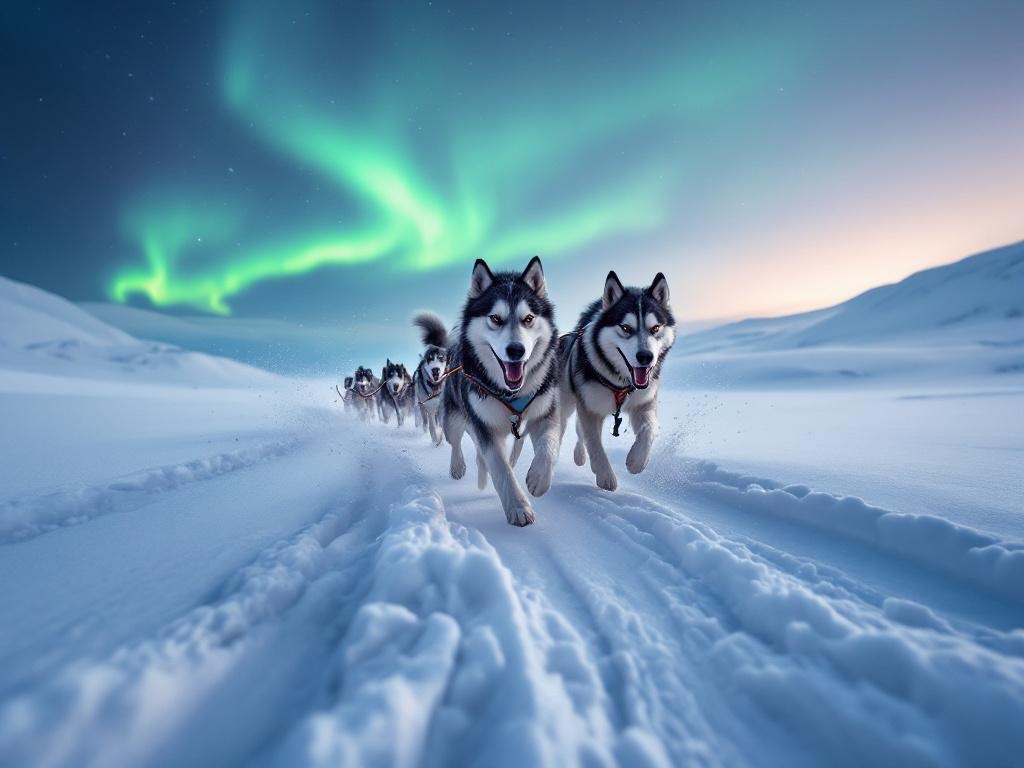
Ultimate Guide to Dog Sledding: Expeditions, Ethics, and Arctic Routes
Dog sledding is the broader tradition: travel by sled dog team across snow and ice. It can mean a short tourist loop, a full-day wilderness trip, or a multi-day expedition where the dogs, guide, and guests move between cabins or camps. This page focuses on the expedition and working-dog side. For short Lapland-style husky tours, use the husky sledding guide.
Best For
Dog sledding is best for travellers who want a traditional Arctic travel experience, are comfortable outside for several hours, and care about animal welfare and guide quality. It suits adventurous couples, solo travellers, photographers, and families with older children when the operator offers age-appropriate routes.
Where to Go
Strong destinations include Finnish Lapland, Swedish Lapland, northern Norway, Svalbard, Greenland, Alaska, Yukon, and parts of Arctic Canada. Scandinavia is best for accessible first experiences. Canada, Alaska, Greenland, and Svalbard are better for longer expedition-style trips.
How to Choose the Right Trip
Decide first between passenger sledding, shared driving, and expedition mushing. Passenger trips are easiest. Drive-your-own-team tours are more active and require following instructions carefully. Multi-day trips require realistic fitness, comfort with cold, and trust in the operator.
Costs and Booking
Short introductory rides may cost around GBP 100-180. Half-day and full-day trips often sit around GBP 180-400. Multi-day expeditions can run from several hundred to several thousand pounds depending on remoteness, accommodation, guiding ratio, and included meals.
Safety, Ethics, and Expectations
Responsible operators explain how the dogs are housed, rested, fed, and rotated. Avoid operators that cannot answer welfare questions clearly. Guests should follow braking instructions, keep hands clear of lines, and disclose medical issues before departure.
How This Guide Differs from Destination Pages
Destination pages should own local booking intent such as Finland, Norway, Sweden, or Canada. This hub should own the broader decision: what dog sledding is, what type of trip to choose, how much it costs, and how to evaluate ethics.
Quick Planning Checklist
- Choose the destination first, then compare operators.
- Check the real season for the exact activity, not just the general winter season.
- Confirm what clothing and equipment are provided.
- Leave weather buffer in the itinerary.
- Book peak dates early, especially December to March.
- Read recent operator terms for cancellation, minimum age, and accessibility.