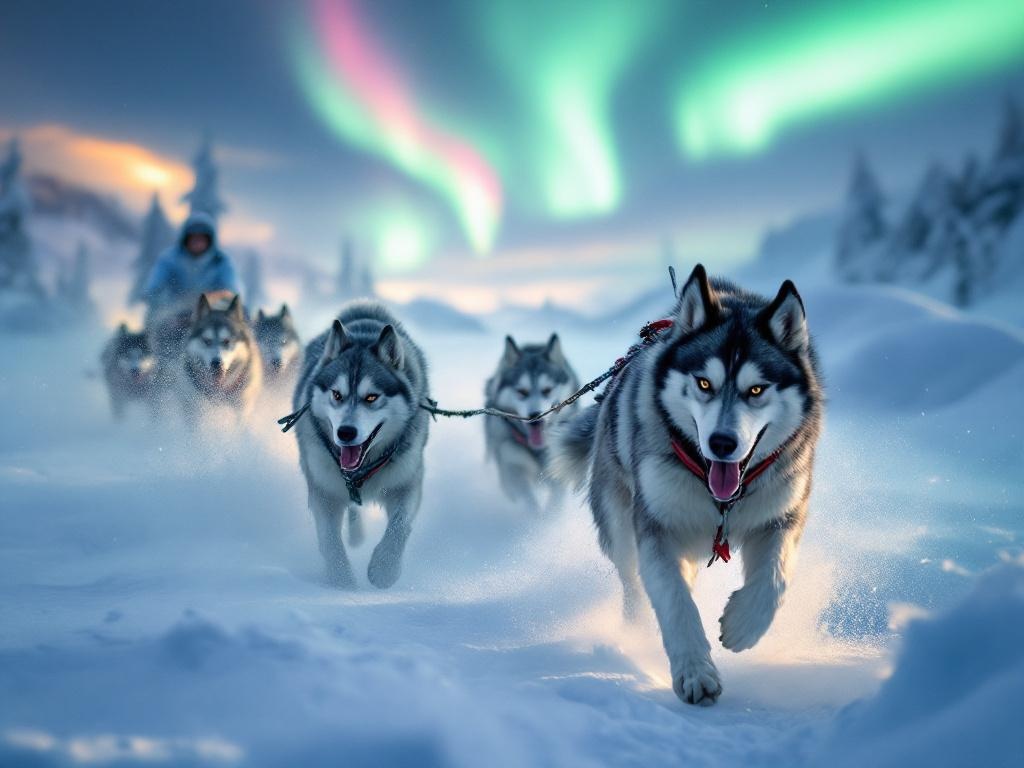
Dog Sledding in Canada: Complete Guide 2026
Canada is one of the classic dog-sledding destinations because the activity is not just a visitor attraction here. In the right region, it still feels connected to northern travel, winter culture and large-scale landscapes. The challenge is that "dog sledding in Canada" can mean very different things, from a gentle resort excursion near Banff to a true multi-day wilderness trip in Yukon.
The short answer
- Whitehorse and the Yukon are often the best overall choice for travelers who want a more authentic northern feel without the extreme logistics of the high Arctic.
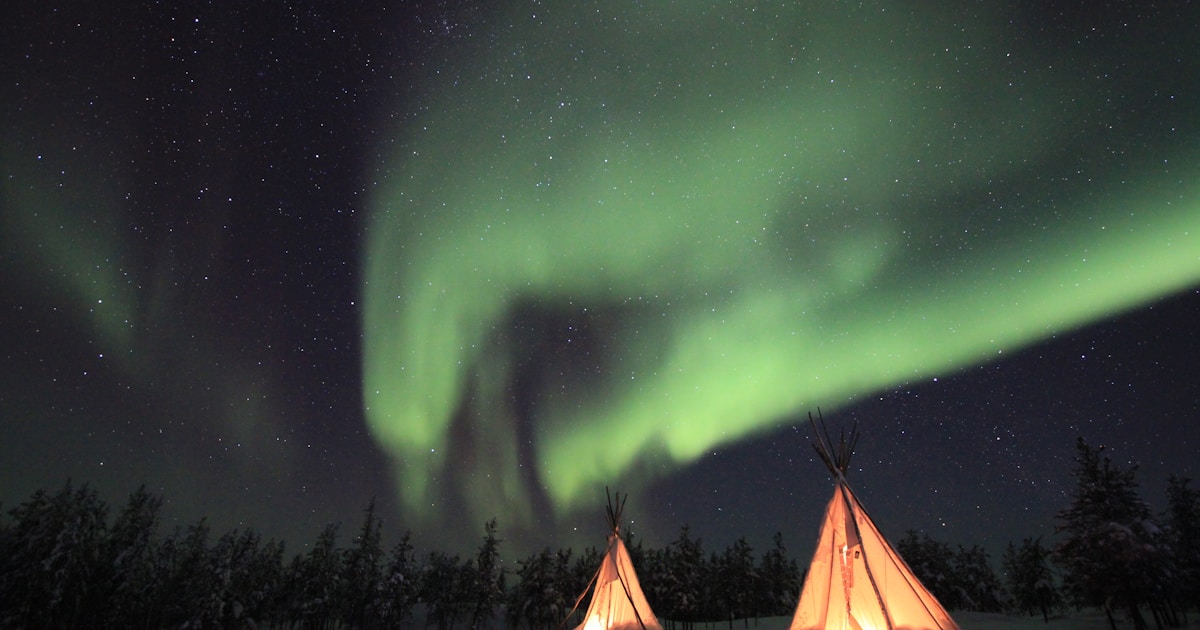
- Yellowknife works well if aurora is already the core reason for the trip.
- Banff and the Rockies are easier add-ons for broader winter holidays, but they are usually not the deepest dog-sledding experience.
Best places for dog sledding in Canada
Whitehorse
Best for: travelers who want a real northern trip, multi-day options and a strong wilderness atmosphereWhitehorse is one of the strongest bases in Canada because it balances accessibility with space and authenticity. You can find beginner-friendly day trips, but also more serious expeditions and kennel stays.
Yellowknife
Best for: combining dog sledding with northern lights, very cold winter conditions, travelers already committed to the far northYellowknife is attractive because it naturally pairs with aurora travel. The main caveat is that many visitors come primarily for the lights, so some dog-sledding products are shorter and designed as supporting activities rather than the central focus of the trip.
Banff
Best for: scenic Rockies holidays where dog sledding is one winter activity among severalBanff is the most straightforward place in this list for a mainstream mountain holiday, but it is not the strongest choice if the dog-sledding experience itself is your top priority.
What kind of Canada dog-sledding trip should you choose?
Introductory rides and scenic tours
Good for families and travelers fitting dog sledding into a wider itinerary. These are easiest to book, but sometimes brief relative to the total excursion time.Half-day and full-day wilderness trips
This is the sweet spot for many travelers. You get enough time on the trail to understand the dogs' pace, the quiet of the route and the physical reality of winter travel.Multi-day expeditions and lodge-based trips
Canada is particularly strong here. If you want to learn basic sled handling, camp or lodge in remote settings, and feel more immersed in the landscape, Canada is one of the best countries to do it.Typical costs
| Experience | Typical price |
|---|---|
| Short ride | CAD 140 to 250 |
| Half-day safari | CAD 220 to 420 |
| Full-day trip | CAD 350 to 650 |
| Multi-day expedition | CAD 900+ per day equivalent |
Best time to go
December
Good for festive winter travel, but daylight is limited and holiday pricing is high.January to February
Core season in many northern regions. Expect serious cold, especially in Yellowknife.March
Often the best balance for many travelers. Snow remains good in northern areas, daylight improves, and conditions can be easier for photography and comfort.Planning tradeoffs by region
Yukon versus Northwest Territories
Yukon often feels more expedition-friendly and varied for dedicated dog-sledding trips. Yellowknife is stronger when your trip is equally or mainly about aurora.Rockies versus northern Canada
The Rockies are easier to combine with ski and scenic travel. Northern Canada is better if you want dog sledding to feel central rather than incidental.What to check before booking
- whether you will drive the sled or ride as a passenger
- how much of the advertised duration is actual trail time
- whether extreme cold policies can modify departures
- if winter boots, outerwear and hotel transfers are included
- what level of fitness is expected for self-drive formats
Common mistakes
Treating every operator description as equivalent
In Canada, the difference between a short scenic outing and a real wilderness day is often huge.Booking the far north without allowing buffer days
Weather, flight disruptions and deep-cold operating decisions can affect plans.Underestimating the cold in Yellowknife
This is not just a packing footnote. Severe cold changes comfort, camera battery life and how long children enjoy being outside.Who should choose Canada?
Choose Canada if you want bigger landscapes, more multi-day potential and a trip where dog sledding can still feel tied to northern travel rather than only tourism packaging. For easier European access and shorter breaks, Finland or Sweden may be simpler.
Booking advice
- Book weeks ahead for day tours and months ahead for multi-day trips.
- If you are heading to Yellowknife mainly for aurora, book dog sledding on a day with some daylight rather than forcing it into an all-night schedule.
- For premium trips, compare group size, instruction quality and route setting, not just accommodation photos.