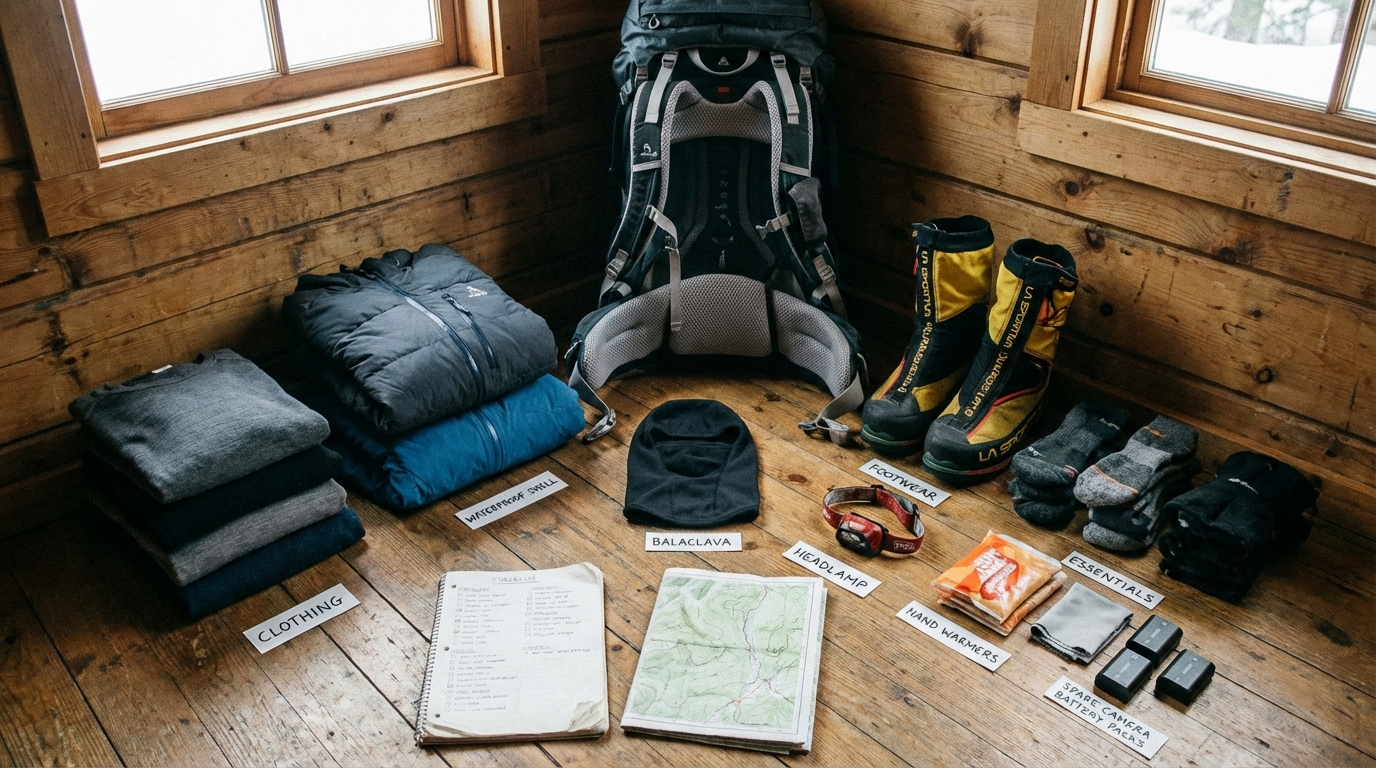
What to Pack for an Arctic Trip: Complete Checklist for 2026
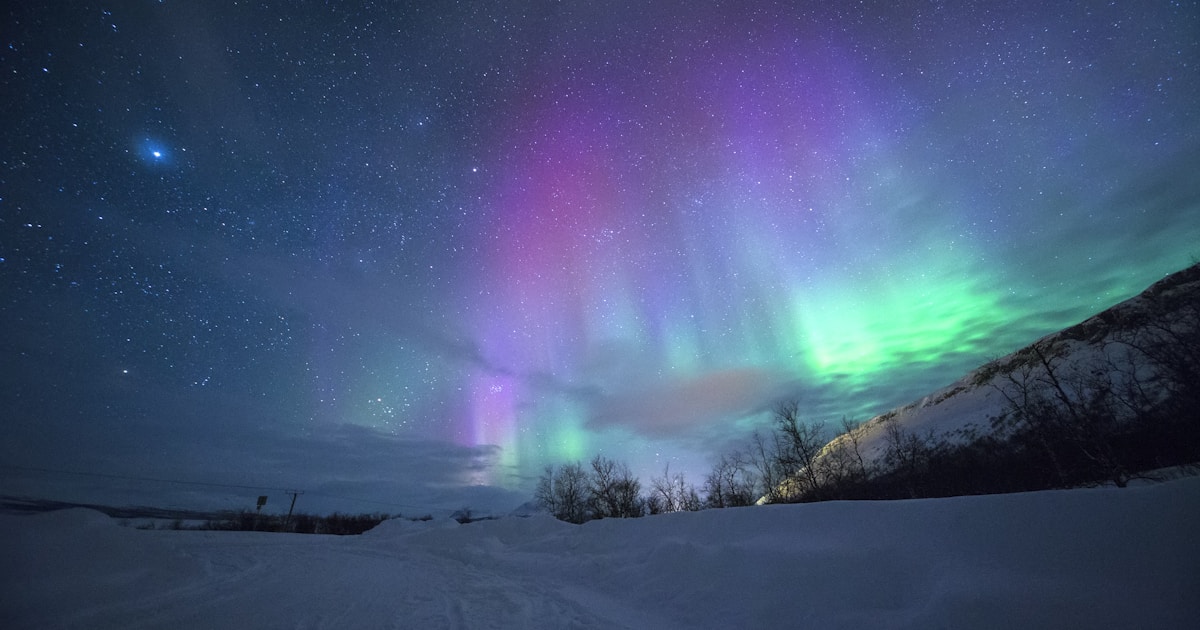
This is the checklist page. For a deeper explanation of how Arctic layers work, read the Arctic layer-system packing guide.
Use this list for winter trips to Norway, Finland, Sweden, Iceland, Greenland, Canada, Alaska, Svalbard, and similar cold-weather destinations. Adjust for your activity level and whether operators provide outer suits.
Clothing Checklist
Base Layers
- 2-3 thermal tops
- 2 thermal bottoms
- Merino or synthetic underwear
- 3-5 pairs wool socks
- Optional liner socks for blister prevention
Mid Layers
- Fleece jacket or wool jumper
- Warmer fleece or light insulated jacket
- Comfortable trousers for travel days
- Warm leggings or softshell trousers for active days
Outer Layers
- Warm insulated parka or down/synthetic jacket
- Windproof and waterproof shell
- Insulated winter trousers or ski trousers
- Waterproof overtrousers for wet coastal trips if needed
Hands, Head, and Feet
- Insulated winter boots with grippy soles
- Thin liner gloves
- Warm mittens
- Spare gloves
- Warm hat covering ears
- Neck gaiter
- Balaclava or face covering for wind
- Sunglasses
- Goggles for snowmobile or windy activities
Activity Gear
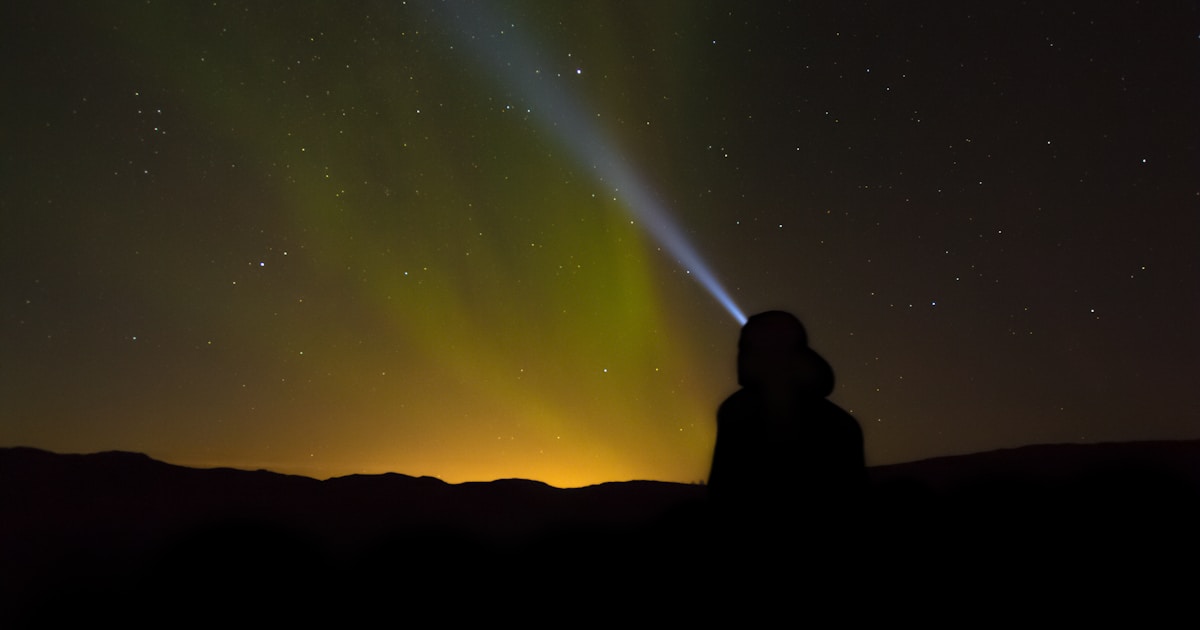
Aurora Watching
- Headlamp with red-light mode
- Hand warmers and toe warmers
- Thermos or insulated bottle
- Small sitting pad if waiting outside
- Microspikes if pavements and paths are icy
Photography
- Camera with manual mode and RAW
- Wide fast lens
- Tripod
- Remote release or timer
- Spare batteries kept warm
- Memory cards
- Lens cloths
- Dry bag or zip pouch for snow
- Power bank
Snow Activities
- Thin socks for activity days if boots are tight
- Breathable mid layer
- Buff or neck gaiter that fits under helmets
- Swimsuit for saunas, hot springs, or hotel pools
Toiletries and Health
- Lip balm
- Moisturiser
- Sunscreen for snow reflection
- Personal medication
- Basic pain relief
- Blister plasters
- Motion sickness tablets for boat trips if needed
- Small first-aid kit
- Prescription copies where relevant
Documents and Money
- Passport
- Travel insurance details
- Driving licence and international permit if required
- Booking confirmations
- Emergency contacts
- Payment card plus backup card
- Small amount of local cash where useful
- Offline maps
- Copies of key documents stored separately
Electronics
- Phone and charger
- Power bank
- Plug adapter
- Camera charger
- Spare camera batteries
- E-reader or offline entertainment for weather delays
- Downloaded maps, tickets, and translation tools
Luggage
Soft duffel bags are often easier than hard suitcases for cabins, small transfers, and snowy paths. Use packing cubes or dry bags to separate base layers, socks, and wet items.
Bring a small daypack for tours. It should fit spare gloves, water, snacks, camera batteries, and an extra layer.
Destination Adjustments
Iceland
Prioritise windproof and waterproof layers. Winter can be wet, windy, and changeable rather than consistently deep-cold.
Northern Norway
Pack for coastal wind, snow, and standing still on aurora chases. If staying outside Tromso, bring microspikes for icy paths.
Finnish and Swedish Lapland
Expect drier cold and lower temperatures. Insulated boots, mittens, and face protection become more important.
Svalbard
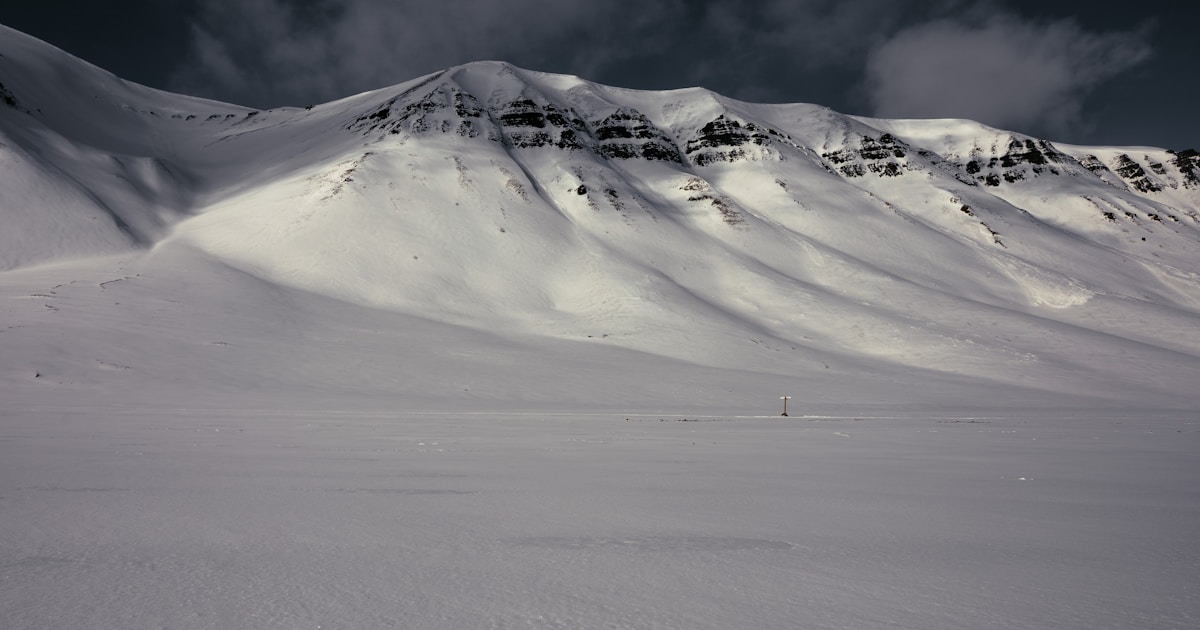
Follow operator guidance closely. Conditions, safety requirements, and activity equipment are more specialised.
Canada and Alaska
Deep cold can be serious. Prioritise boots, mittens, face covering, and battery management.
What Not to Pack
- Cotton base layers
- Fashion boots with smooth soles
- Too many bulky jumpers instead of technical layers
- Umbrella for windy snow destinations
- A new camera you have never practised with
- Tight boots with no room for warm socks
- Large amounts of cash in card-friendly destinations
Final Pre-Trip Check
Try the full outfit before departure: base layer, mid layer, jacket, trousers, boots, gloves, hat, and bag. Make sure you can walk, sit, zip pockets, use your phone, and operate your camera.
The best packing list is not the longest. It is the one that keeps you warm, dry, mobile, and able to enjoy long periods outside after dark.