Antarctica Expedition Guide 2026: How to Plan Your First Trip to the Seventh Continent
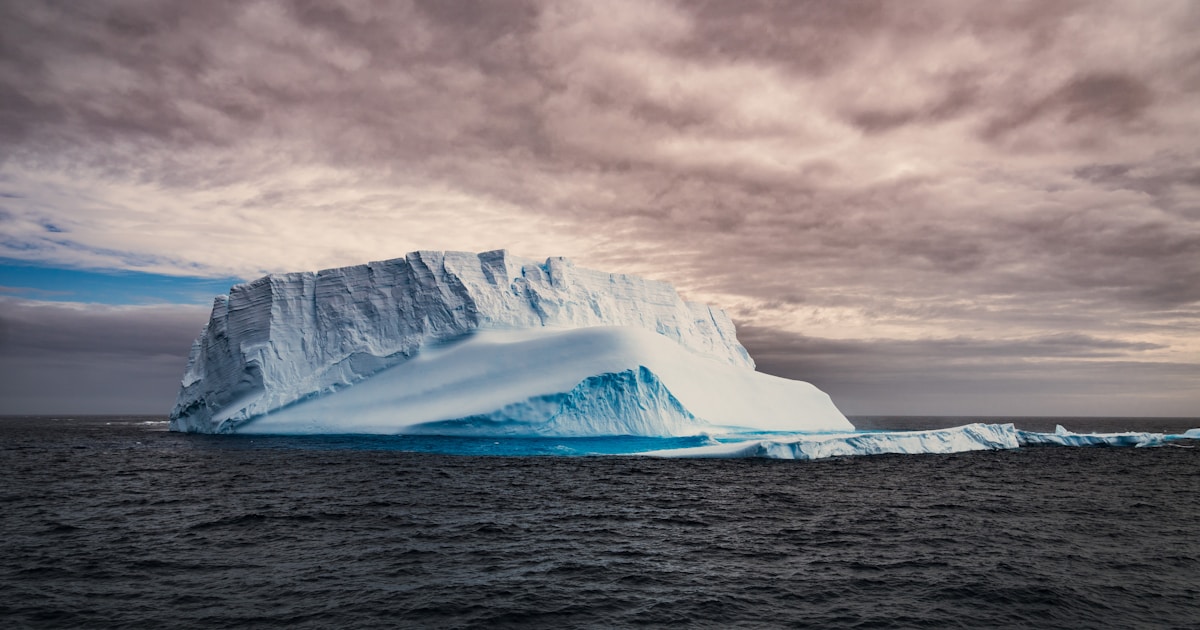
Antarctica is the most remote, pristine, and overwhelming place most people will ever visit. There are no cities, no permanent residents, no hotels, and no infrastructure. You arrive by expedition ship through the roughest seas on Earth, and what you find — vast ice shelves, penguin colonies, whales, and a silence that can feel physical — changes how you think about the planet. Before picking an operator, choose the right season with the month-by-month Antarctica cruise guide.
It's also expensive, logistically complex, and requires genuine planning. This guide covers everything you need to know about visiting Antarctica in 2026, from costs and timing to choosing the right expedition.
The Basics: How Antarctica Travel Works
You cannot visit Antarctica independently. All tourism is ship-based expedition travel, regulated by the International Association of Antarctica Tour Operators (IAATO). Here's the framework:
- All trips depart from South America — either Ushuaia, Argentina (most common) or Punta Arenas, Chile
- Trip length: 10–23 days depending on itinerary
- Ship size: Ranges from sub-100-passenger expedition vessels to 500+ passenger cruise-only ships
- Landing limits: IAATO visitor guidance allows no more than 100 passengers ashore from a vessel at one time, normally one ship at one site, and no landings for vessels carrying more than 500 passengers
- Season: November to March only (Antarctic summer)
How Much Does Antarctica Cost?
Let's be direct about money — this is the question everyone asks first. For a personalised all-in estimate, use the Antarctica trip cost calculator after you choose a likely route and cabin tier.
Expedition Costs (Per Person)
| Category | Price Range | What You Get |
|---|---|---|
| Budget | $8,000–$10,000 | Shared cabin, basic ship, Antarctic Peninsula only |
| Mid-range | $10,000–$15,000 | Private cabin, better ship, more landing days |
| Premium | $15,000–$25,000 | Suite cabin, luxury vessel, extended itinerary |
| Ultra-premium | $25,000–$50,000+ | South Georgia + Falklands, fly-cruise, private experiences |
Additional Costs
- Flights to Ushuaia: $800–$2,000 return from North America/Europe
- Pre/post nights in Ushuaia: $80–$200/night (plan 1–2 nights buffer)
- Travel insurance: $300–$600 (mandatory, must cover emergency evacuation)
- Gear: $200–$500 if you don't already own cold-weather layers (parka usually provided by the expedition company)
- Tips: $15–$25/day per person for ship staff is standard
- Kayaking/camping add-ons: $500–$1,500
How to Save Money
Last-minute deals: Expedition companies discount unsold cabins 1–3 months before departure. Ushuaia agencies specialise in these — you can save 20–40%, but you need flexibility. This works best if you're already travelling in South America.
Shoulder season: Early November and late March sailings are cheaper than peak December–February.
Shared cabins: Twin-share with a stranger assigned by the operator is the cheapest cabin option.
Shorter itineraries: An 11-day Antarctic Peninsula trip is significantly cheaper than a 20-day Peninsula + South Georgia voyage.
When to Go: Month-by-Month
Antarctic summer runs November to March. Each month offers a different experience.
November (Early Season)
- Fresh, pristine snow and ice — Antarctica at its most photogenic
- Penguin courtship and nest building
- Pack ice may limit how far south ships can go
- Fewer tourists, lower prices
- Longer daylight but not yet 24-hour sun
December–January (Peak Season)
- 20+ hours of daylight, nearly 24 hours at the solstice
- Penguin chicks hatching — the most popular wildlife viewing
- Whale numbers increasing
- Best weather and calmest Drake Passage crossings (statistically)
- Highest prices and most crowded
February (High Season)
- Whale watching at its peak — humpbacks feeding in large numbers
- Penguin chicks growing, still highly active colonies
- Ice begins to break up, allowing access to more southerly locations
- Still excellent weather
March (Late Season)
- Dramatic sunsets return as days shorten
- Best whale watching of the season
- Lower prices and fewer ships
- Weather becomes more unpredictable
- Ice reforming can affect itineraries
Choosing an Expedition Company
This is the most important decision you'll make. The company determines the ship, the guides, the itinerary flexibility, and ultimately the quality of your experience.
What to Look For
Ship size matters most. Ships carrying under 200 passengers usually offer more landing time, more zodiac cruising, and a more intimate experience. IAATO landing limits mean only 100 passengers from a vessel are normally ashore at once, and vessels carrying more than 500 passengers do not make Antarctic landings at all.
Expedition team quality. The naturalists, marine biologists, historians, and photographers on board transform the trip from sightseeing to education. Top operators employ world-class experts.
Ice-class rating. Higher ice-class ships can navigate further into pack ice and reach more remote locations.
Inclusions. Some operators include waterproof boots and parkas, zodiac cruises, and all meals. Others charge extra. Compare like for like.
Top Expedition Companies (2026)
Quark Expeditions — Specialist polar operator with a range of ships and itineraries. Their Ultramarine is purpose-built with twin helicopters for flightseeing. Mid-range to premium pricing.
Hurtigruten Expeditions — Large Norwegian operator with hybrid-powered ships. Good value, strong expedition teams, but larger passenger numbers. They offer combined South Georgia itineraries.
Ponant — French luxury line with small, elegant ships. Premium pricing but exceptional service, cuisine, and comfort. Le Commandant Charcot is ice-breaking class and reaches further south than almost any tourist vessel.
Lindblad Expeditions (with National Geographic) — Partnership with NatGeo means exceptional naturalists and photographers on board. National Geographic Explorer and Endurance are excellent ships. Premium pricing.
Antarctica21 — The fly-cruise specialist. Flights from Punta Arenas to King George Island bypass the Drake Passage entirely. Ideal for those who are prone to seasickness or short on time.
Oceanwide Expeditions — Dutch operator offering excellent value with genuinely good expedition teams. Their smaller ships provide intimate experiences at mid-range prices.
What to Expect on the Trip
The Drake Passage
The 1,000 km crossing from Ushuaia to the Antarctic Peninsula takes about 2 days each way through the Drake Passage — the convergence of the Atlantic, Pacific, and Southern Oceans. It can be calm (the "Drake Lake") or brutal (the "Drake Shake") with 6–10 metre swells.
Seasickness preparation:
- Start medication (Dramamine, meclizine, or scopolamine patches) 12–24 hours before departure
- The ship's doctor will have additional options
- Ginger, wristbands, and staying on deck (fresh air + horizon) help
- Most people adjust after 24–36 hours
- The fly-cruise option from Punta Arenas eliminates the Drake entirely
Shore Landings
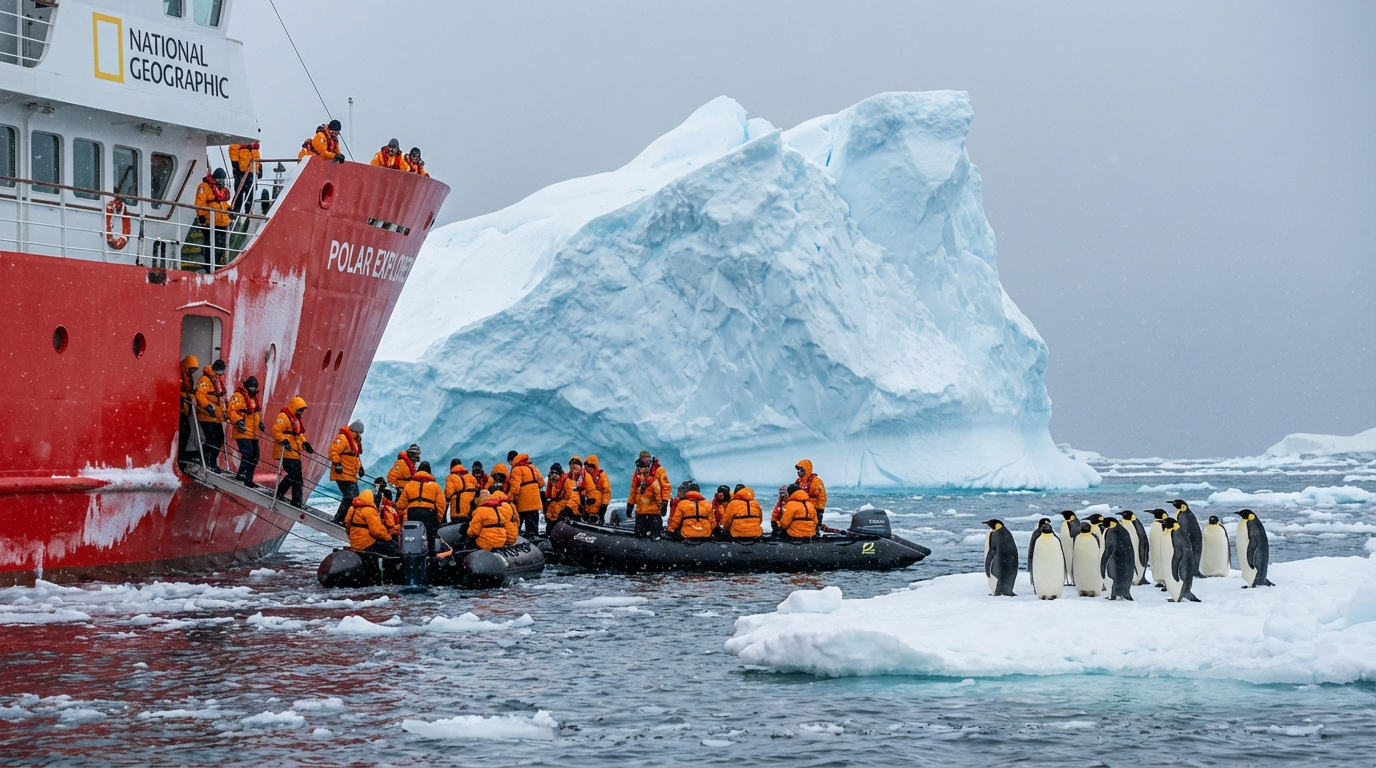
You'll typically make 1–2 zodiac landings per day, each lasting 2–3 hours. Landings are "wet" — you step from the zodiac into shallow water and walk up the beach. Waterproof boots (usually provided) are essential.
On shore, you'll walk among penguin colonies, see seals lounging on rocks, visit historic huts from the heroic age of exploration, and stand in landscapes that look like another planet. IAATO guidelines require staying 5 metres from wildlife — though penguins frequently approach closer on their own.
Zodiac Cruises
Between landings, expedition leaders run zodiac cruises along ice cliffs, through brash ice, and past icebergs. These are often the most spectacular parts of the trip — getting close to the ice from a small inflatable boat is an incredibly intimate experience.
Life on Board
Expedition ships are comfortable but not luxury cruise liners (unless you book a premium operator). Expect:
- Lectures by the expedition team (wildlife, geology, history, photography)
- Excellent meals — many operators have surprisingly good kitchens
- A bar and lounge for socialising
- A bridge that's usually open to passengers
- Early wake-up calls for wildlife sightings and landing opportunities
What to Pack
Provided by most operators: Waterproof parka (yours to keep), waterproof boots, life vest.
You need to bring:
- Warm base layers (merino wool)
- Mid-layer fleece and down jacket
- Waterproof trousers
- Warm gloves and hat
- Sunglasses and sunscreen (the UV reflection off ice and snow is intense)
- Binoculars
- Camera with telephoto lens for wildlife
- Seasickness medication
- Reusable water bottle
See our complete Arctic packing list — most of it applies to Antarctica too.
Booking Your Trip
Timeline
- 12–18 months before: Book with your chosen operator for best cabin selection
- 6–12 months before: Arrange flights to Ushuaia or Punta Arenas
- 3–6 months before: Purchase travel insurance, book pre/post accommodation
- 1–3 months before: Last-minute deals appear if you're flexible
- 2 weeks before: Final gear check and medication prep
Getting to Ushuaia
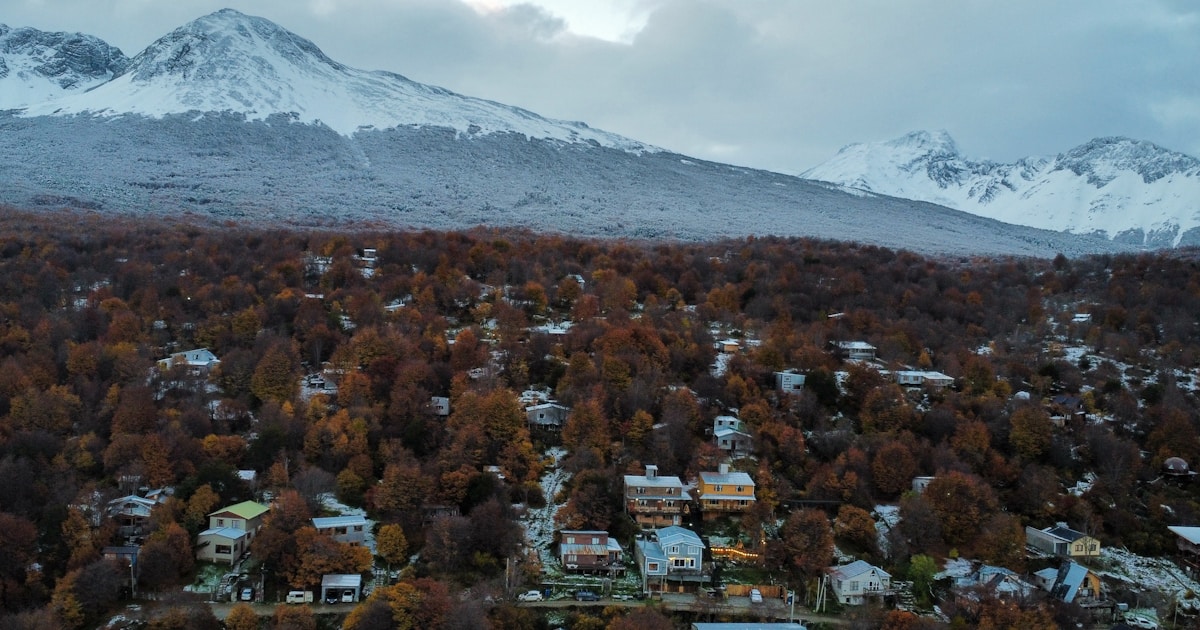
Ushuaia is the departure point for most Antarctic expeditions. Fly into Buenos Aires, then take a 3.5-hour domestic flight to Ushuaia. International carriers with good Buenos Aires connections include Aerolíneas Argentinas, LATAM, and various European airlines.
Arrive at least 1 day early. Flights to Ushuaia can be delayed or cancelled due to weather. Missing your ship departure is catastrophic — there's no way to catch up.
Travel Insurance
Mandatory. Your policy must cover:
- Emergency medical evacuation (including helicopter/ship from Antarctica)
- Trip cancellation
- Medical coverage in remote areas
- Minimum coverage: $100,000 medical evacuation
Specialist providers like World Nomads, Global Rescue, and Battleface offer Antarctic-specific policies.
Is Antarctica Worth the Money?
This is subjective, but here's the honest answer: if you have any connection to nature, wildlife, or wilderness — yes. Unequivocally.
Antarctica is the last truly wild place on Earth. The scale is impossible to convey in photos. Standing on a beach with 100,000 penguins while glaciers calve into the sea behind you and a humpback whale surfaces in the bay — it recalibrates your sense of what's possible on this planet.
It's a significant investment, but almost every person who visits says it was the most profound travel experience of their life. The current accessibility won't last forever — as climate change and regulation evolve, visiting Antarctica may become harder and more expensive in coming decades.
Plan your Antarctic journey with our guides to Ushuaia, Punta Arenas, South Georgia, and the Antarctic Peninsula.