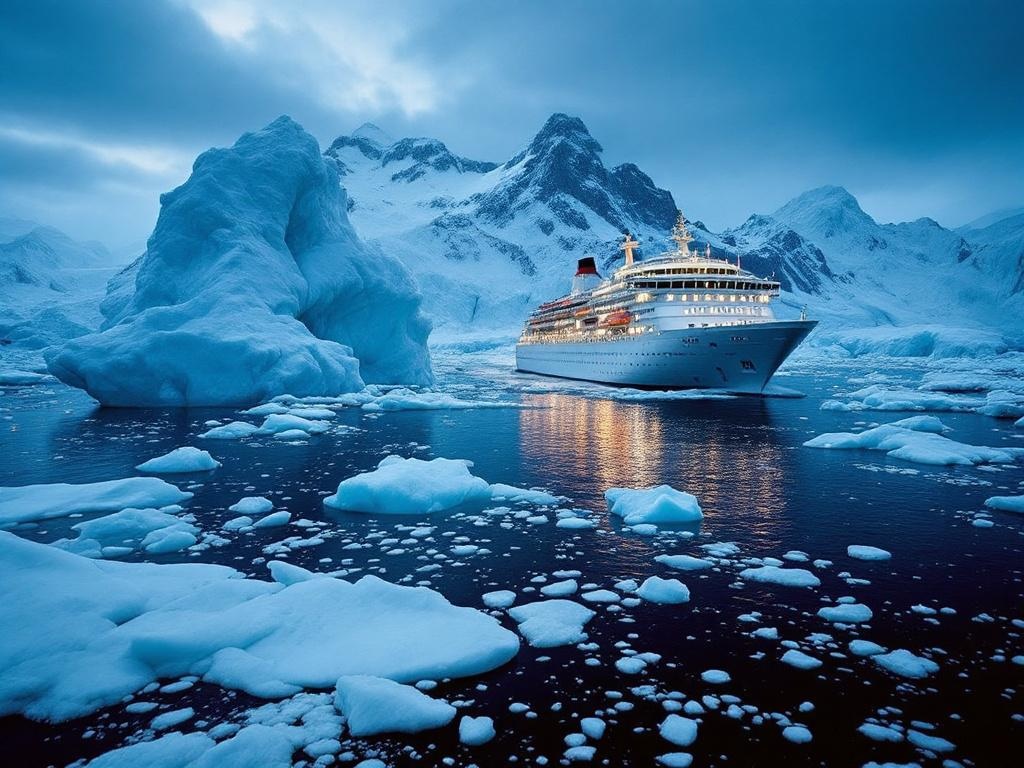
Ultimate Guide to Antarctica Cruises: Routes, Costs, Ships, and Seasons
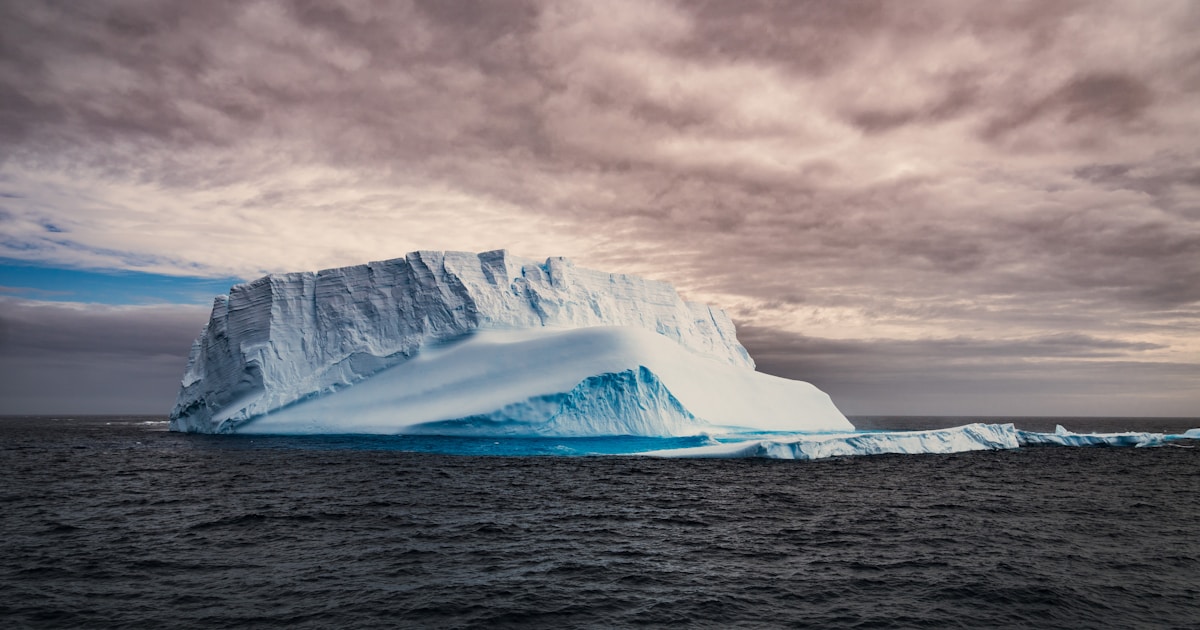
An Antarctica cruise is an expedition trip, not a standard cruise with colder scenery. Weather, landing conditions, ship size, and route ambition shape the experience far more than nightlife, formal dining, or on-board entertainment. This guide is for choosing the right type of Antarctica voyage before you compare operators. If your first question is timing, start with the month-by-month Antarctica cruise season guide; if your first question is budget, use the Antarctica trip cost calculator.
The First Choice: Fly-Cruise, Classic Crossing, or Longer Expedition
| Trip style | Best for | Main strength | Main tradeoff |
|---|---|---|---|
| Classic Drake crossing | Travellers wanting the full expedition journey | Usually best value and fullest narrative | Drake Passage can be rough |
| Fly-cruise | Travellers short on time or worried about seasickness | Skips part of the crossing | Higher price and tighter logistics |
| Extended Antarctic Peninsula or beyond | Wildlife and expedition enthusiasts | More variety, more landing chances, deeper experience | Expensive and time-heavy |
Ship Size Changes the Whole Trip

Smaller expedition ships often provide a more focused experience, easier landings, and a stronger expedition feel. Larger ships may feel steadier and more amenity-rich, but landing rules can reduce how much time guests spend ashore.
IAATO visitor guidance is the practical reason this matters: only one vessel visits a site at a time, vessels carrying more than 500 passengers do not make Antarctic landings, and no more than 100 passengers from a vessel are normally ashore at once unless site rules are stricter. A 90-passenger ship and a 190-passenger ship can both be excellent expedition choices, but a 500+ passenger cruise is a different, cruise-only product.
The best ship is not automatically the largest or newest. It is the one that matches your priorities between comfort, access, price, season and expedition intensity. If timing is the deciding factor, compare November, December, January, February and March in the best time to visit Antarctica guide. If budget is the deciding factor, pair this route guide with the Antarctica trip cost calculator and the full Antarctica cruise cost breakdown.
When to Go
Early season can bring cleaner snow and dramatic ice. Mid-season often balances wildlife activity with light and access. Late season can be especially interesting for whale activity, changing wildlife behaviour, and softer light. No month is best for every goal.
What Costs More Than Expected
The cabin is only part of the total. Budget for:
- flights to the gateway city
- hotel nights before embarkation
- waterproof layers and rental gear if needed
- insurance suitable for expedition travel
- optional kayaking, camping, or photography add-ons
- possible baggage logistics on fly-cruise itineraries
What Makes a Good Expedition Operator
Look for strong expedition leadership, clear landing philosophy, realistic environmental standards, and transparent inclusion lists. Better operators explain biosecurity rules, zodiac routines, lecture quality, and what flexibility means in practice.
Wildlife and Landing Expectations
The best Antarctica trips combine wildlife, landscape, and expedition rhythm. Penguins, seals, whales, icebergs, and shore landings matter together. Do not book only for one iconic scene and assume it is guaranteed on a fixed day.
Who Should Choose Which Trip
- First-time expedition travellers: classic peninsula route or structured fly-cruise
- Travellers worried about rough seas: fly-cruise or larger stable expedition ship
- Wildlife and photography enthusiasts: longer itinerary with more landing flexibility
- Luxury-led travellers: premium expedition ship, but still with realistic expedition expectations
Common Mistakes
- judging the trip like a mainstream cruise
- under-budgeting for gear, insurance, and gateway-city nights
- booking the cheapest fare without checking landing philosophy or cabin type
- assuming seasickness risk disappears on every itinerary
Bottom Line
Choose a classic crossing for the fullest expedition arc and often the best value, a fly-cruise for time savings and lower Drake exposure, and a longer itinerary when Antarctica itself is the main travel goal rather than a once-off bucket-list sample.