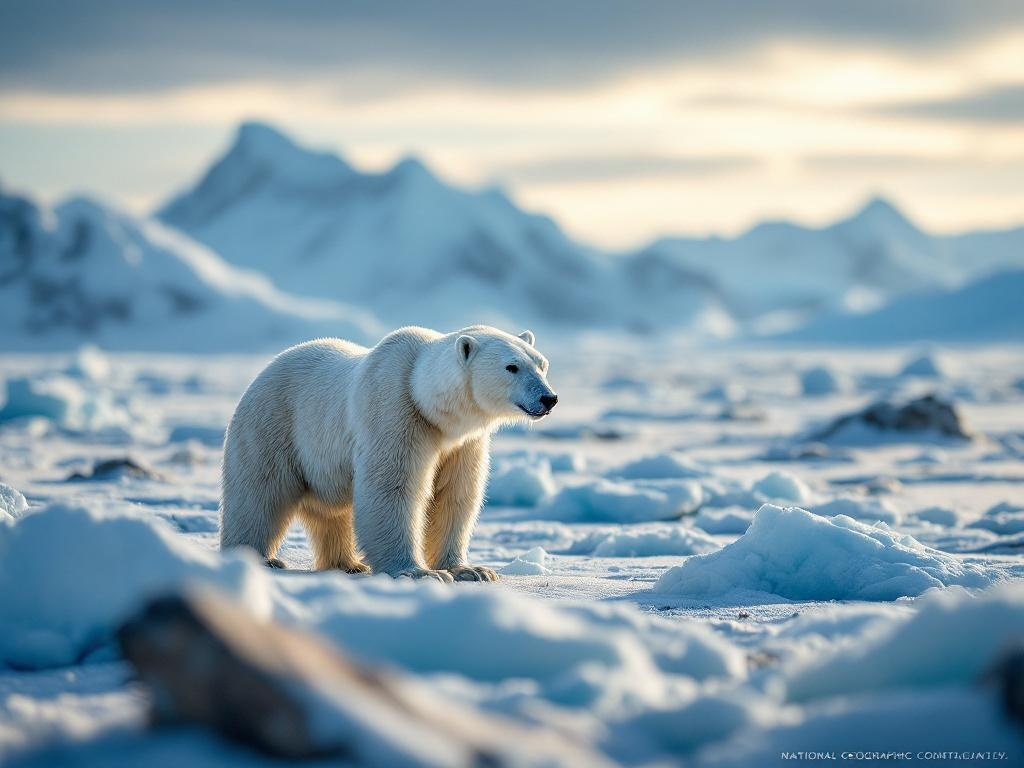
Polar Bear Safaris in Svalbard: Complete Guide 2026
Svalbard is one of the most famous places in the world to look for polar bears, but it is also one of the most misunderstood. Many travelers imagine a classic safari where you drive to a viewing area and almost certainly see bears. Svalbard is not like that.
Here, polar bear viewing is usually an expedition-style wildlife trip built around distance, sea ice, weather, and strict safety rules. Sightings are possible, sometimes excellent, but never routine in the way marketing can imply.
That is exactly why Svalbard appeals to serious wildlife travelers. The experience is about the wider Arctic environment as much as the bear itself.
The short answer

- Svalbard is best for expedition-minded travelers, not for anyone who needs a guaranteed close encounter.
- Summer and early autumn are the core viewing period because boat access improves and more coastline becomes reachable.
- Longer boat-based trips usually give you a better chance than short excursions, but they also cost far more.
- You should book Svalbard for the overall Arctic wildlife experience, with polar bears as the headline possibility rather than a promise.
What polar bear viewing in Svalbard is actually like

Most visitors stay in Longyearbyen and join guided excursions from there. The key constraint is safety: you cannot simply wander out to look for bears on your own. Polar bears are a real risk in the archipelago, which is why guided travel and local rules matter so much.
For most travelers, sightings happen in one of three ways:
1. Day boat trips from Longyearbyen
These are the most accessible option. They are still wildlife trips rather than guaranteed bear tours. You may see birds, walrus, glaciers, and dramatic coastal scenery even if no bear appears.Best for: travelers with limited time, moderate budgets, and realistic expectations
Main limitation: shorter range means less flexibility if ice or wildlife movement is unfavorable
2. Longer expedition cruises
This is where Svalbard becomes a much stronger polar bear destination. Multi-day voyages can cover much more ground, adapt to ice conditions, and spend longer in productive wildlife areas.Best for: photographers, wildlife-focused travelers, and anyone prioritizing the highest realistic sighting potential
Main limitation: cost, seasickness risk, and large differences in itinerary quality between operators
3. Specialized small-group expeditions
Some operators run more niche wildlife-focused products with stronger emphasis on guiding, photography, or extended wilderness time. These can be excellent, but they are not always the cheapest and often need booking well ahead.Best time for polar bears in Svalbard
The main visitor season for polar-bear-oriented trips is broadly late spring through early autumn, with the boating window doing much of the work.
June
A transitional month. Conditions can still be variable, but wildlife-focused trips are underway. Good for travelers who want a shoulder-season feel.July and August
These are often the most practical months for general expedition travel because access improves and departures are more frequent. That does not mean every trip sees bears, but these months are central to the Svalbard wildlife season.September
Often attractive for photographers because of lower-angle light and a slightly different atmosphere. Weather becomes more changeable, and some operations wind down.The right month depends less on a magical guarantee and more on the style of trip you want and how much route flexibility your operator has.
Costs: what to expect
Svalbard polar bear travel is expensive. It helps to think in layers rather than a single headline price.
Approximate budget ranges
- Short wildlife boat trip: often a few hundred dollars or more per person
- Full-day or premium excursion: commonly higher, especially for small groups
- Multi-day expedition cruise: typically the real cost driver, often running into several thousand dollars per person
Why it costs so much
- remote logistics
- specialist staff and safety procedures
- fuel-intensive boat operations
- short operating season
- high general cost level in Svalbard
Choosing the right trip
Choose a day trip if...
- you are already visiting Longyearbyen
- polar bears are a hope, not the only reason for the journey
- you want a lower-cost introduction to Svalbard wildlife travel
Choose a multi-day expedition if...
- bears are the core priority
- you care about photography and time in the field
- you can tolerate changing conditions and flexible routing
Choose carefully if a trip description sounds too certain
Be skeptical of copy that makes sightings sound routine. Responsible operators usually explain uncertainty clearly.Safety and ethics
Svalbard is not a wildlife park. Polar bears are dangerous wild animals, and the best operators treat distance, safety, and non-disturbance as core parts of the experience.
Good signs when booking:
- clear explanation that sightings are never guaranteed
- emphasis on guide judgment and wildlife distance
- realistic sample itineraries rather than overconfident promises
- transparent notes on weather and sea conditions
Photography expectations
A common mistake is assuming every sighting will be close and dramatic. Sometimes you may see a bear at a distance, from a vessel, in flat light, or only briefly. That can still be a meaningful sighting, but it is different from a brochure image.
If photography matters a lot:
- prioritize longer trips over short ones
- check group size and deck space
- bring reach, patience, and spare batteries
- do not assume zodiac use or landing opportunities are possible in every situation
Common misconceptions
"Svalbard guarantees polar bears"
No. It is one of the better places to look, but wildlife remains unpredictable."A quick day trip is enough for serious bear photography"
Sometimes travelers get lucky, but serious photography odds usually improve with more days and more range."You can independently explore outside town to improve your chances"
Independent travel outside settlements carries real safety considerations and should never be approached casually.Combining polar bears with the rest of Svalbard
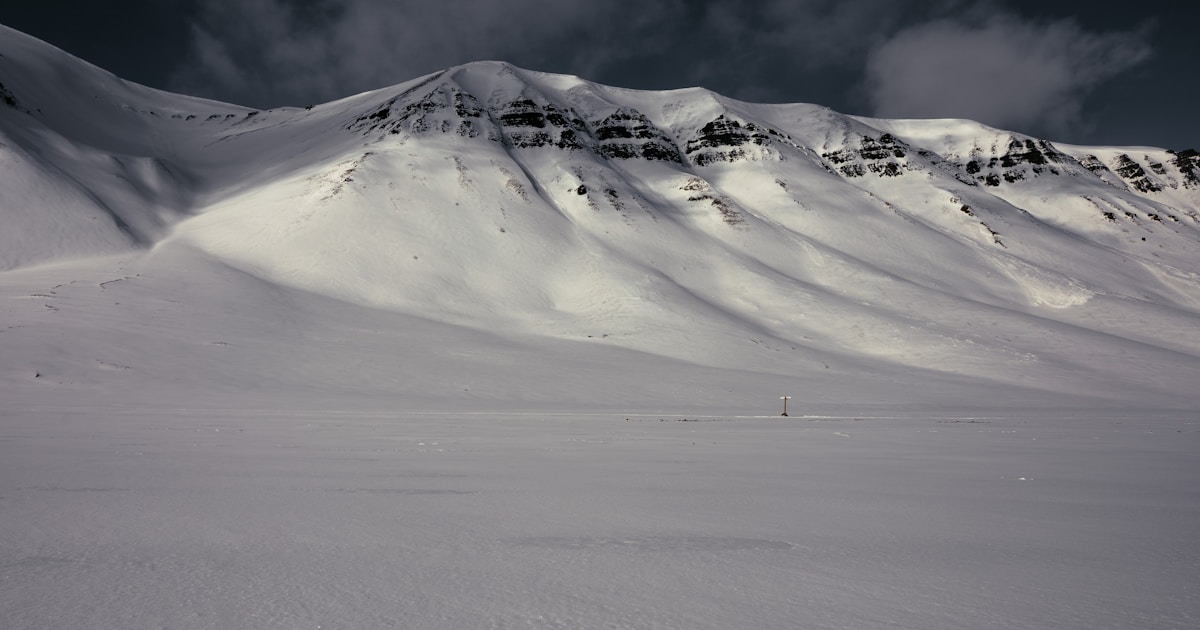
Even if your main motivation is wildlife, the trip often feels fuller when you also value glaciers, seabird cliffs, walrus haul-outs, and the stark High Arctic landscape. That broader mindset makes Svalbard much more rewarding if the bears stay elusive.
Frequently asked questions
Are polar bears guaranteed in Svalbard?
No. No responsible operator should promise that.Is Svalbard better than Churchill?
They are different. Svalbard is more expedition-based and maritime. Churchill is more structured around a classic land-based wildlife season.How far ahead should I book?
For prime summer departures, especially smaller expedition products, earlier booking gives you far better choice.Is Svalbard suitable for families?
Some trips are, but the destination is generally a better fit for older children or adults comfortable with cold, long excursion days, and unpredictable wildlife outcomes.You may also want our Svalbard destination guide and ultimate polar bear safari guide.