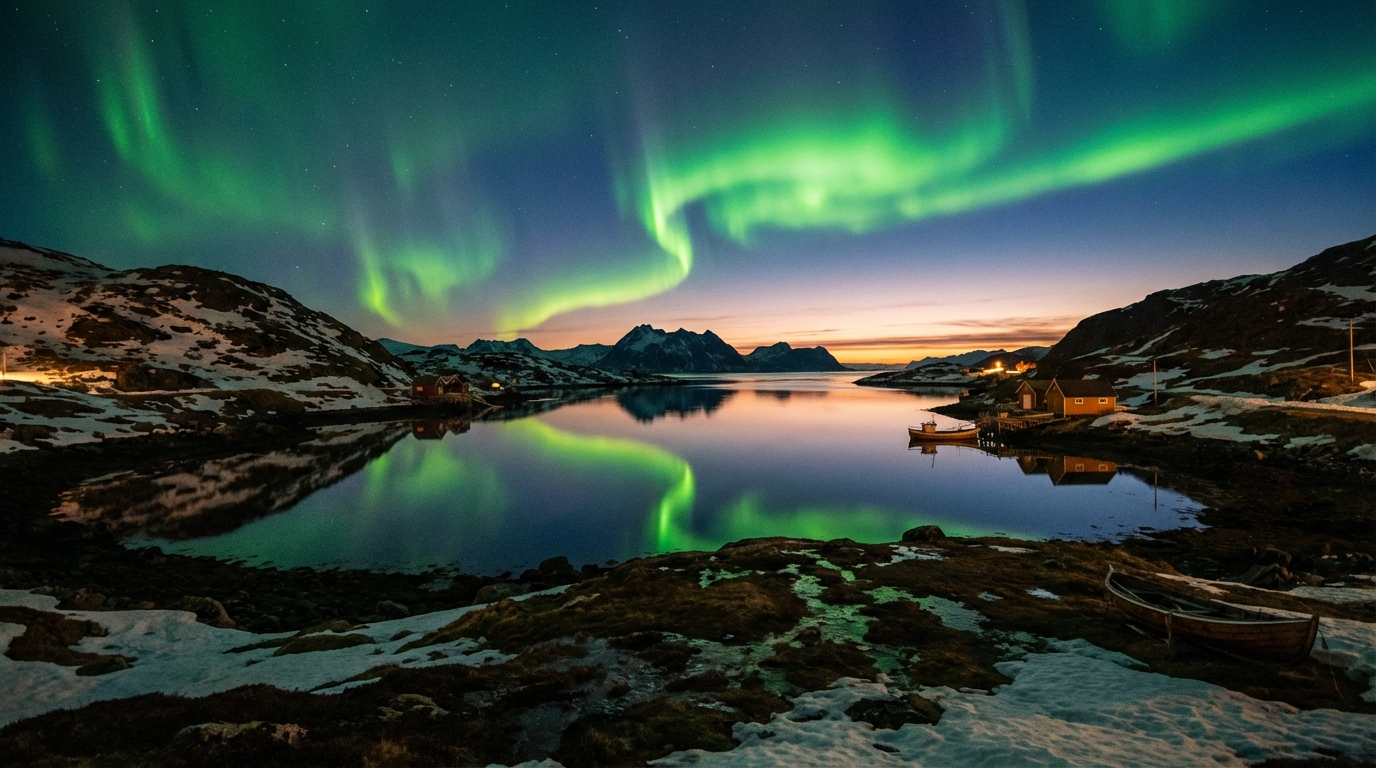
Can You See the Northern Lights in February? Late-Winter Aurora Guide
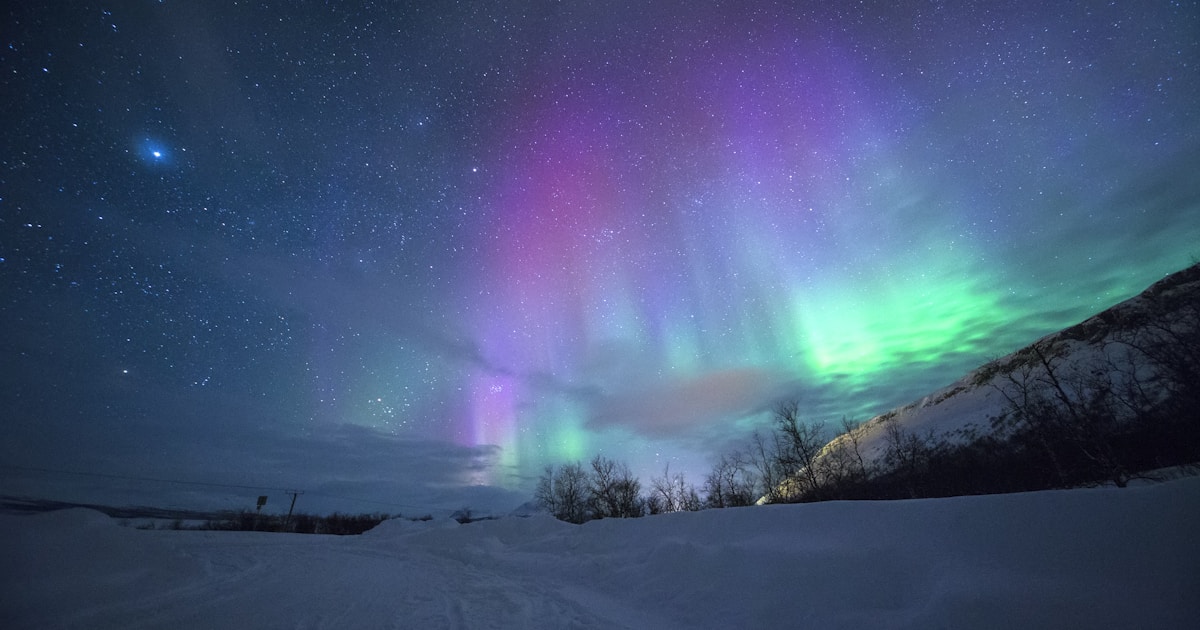
Quick answer: yes. February is a strong northern lights month across the main aurora belt. Places such as Tromsø, Abisko, Fairbanks, Rovaniemi, Yellowknife and Iceland still have enough darkness for serious aurora viewing, but the days are starting to feel more useful than in deep January.
February is best if you want a winter trip that still feels properly Arctic without the most extreme polar-night rhythm. You get snow, long evenings, frozen landscapes and reliable night darkness, but also a better chance of fitting daytime activities into the same trip. Compared with January, February is usually a little easier for daylight logistics. Compared with March, it is darker and more wintry, while March has more spring energy and an equinox-season aurora pattern.
Use February if you can spend several nights in an aurora zone and stay flexible around cloud. The month is good, but no month overrides weather: before choosing your late-night plan, check live Kp, darkness and cloud-cover signals with PolarTourist aurora alerts.
February Northern Lights Verdict
| Question | Practical answer |
|---|---|
| Can you see the northern lights in February? | Yes. February is a core winter aurora month in high-latitude destinations. |
| Is February better than January? | Often for a more balanced trip: still dark, but with slightly more useful daylight. |
| Is February better than March? | February is darker and snowier; March is milder, brighter and closer to the equinox window. |
| Best February destinations? | Fairbanks, Yellowknife, Abisko, Tromsø/Alta, Finnish Lapland, Iceland and Greenland. |
| Main risk? | Cloud, cold and short winter days. Pick a good base and build in multiple viewing nights. |
Why February Works So Well
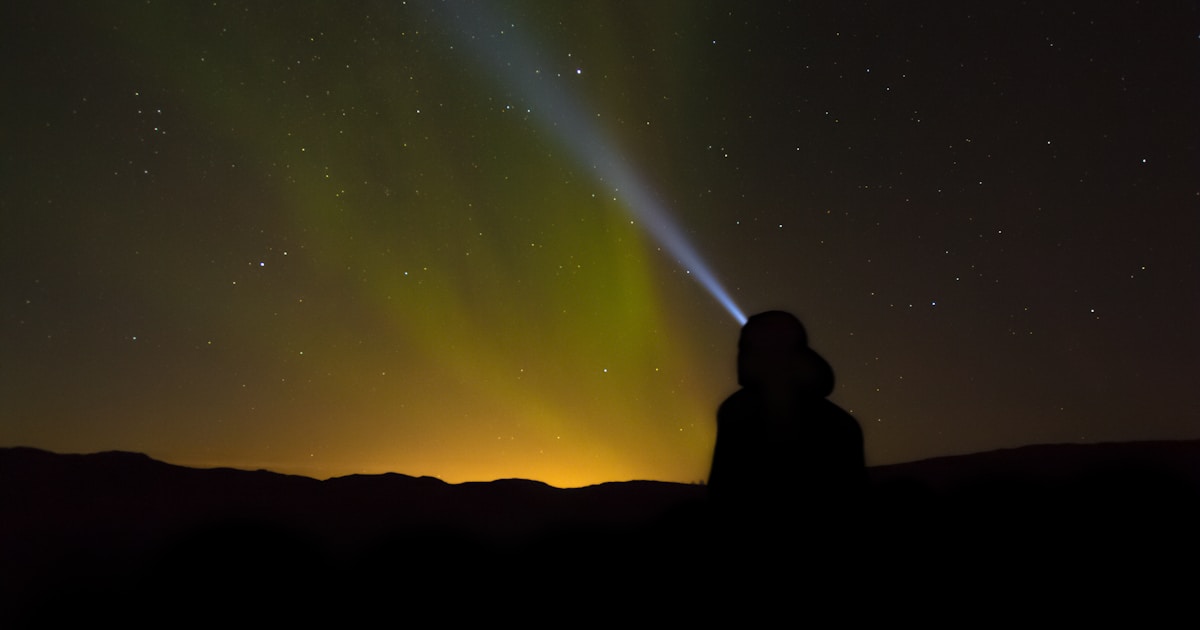
February sits in a useful middle position. It is not as brutally dark as December or early January, but it is still nowhere near the bright shoulder-season problem of April. In most aurora destinations, the best viewing hours from roughly late evening into the early night remain comfortably dark.
That makes February practical for travellers who want more than a single-purpose aurora chase. You can ski, snowshoe, visit ice hotels, go dog sledding, take fjord or hot-spring day trips, and still have a realistic northern lights window after dinner.
The tradeoff is that winter is still winter. Roads can be icy, tours can sell out around school-holiday periods, and cold can limit how long you want to stand outside. February rewards good clothing, flexible plans and accommodation that does not make every aurora attempt feel like a major expedition.
Best Places to See the Northern Lights in February
Tromsø and Alta, Norway
Northern Norway is one of the easiest February choices if you want strong aurora odds with city logistics. Tromsø has a deep tour market, restaurants, museums and easy airport access; Alta is quieter and often feels more directly focused on aurora travel. Coastal Norway can be cloudy, so guided chases that move inland are valuable in February.
Abisko and Swedish Lapland
Abisko is built for winter aurora trips: dark skies, mountain scenery and a reputation for clearer local weather than many coastal destinations. February is excellent if you want a classic snow-and-aurora trip without needing a big city base. Pair Abisko with Kiruna or the ICEHOTEL area if you want more daytime variety.
Fairbanks, Alaska
Fairbanks remains one of the strongest February aurora bases in North America. The interior climate can produce clearer skies than many coastal Arctic regions, and the nights are still long. The main planning issue is cold: choose accommodation and tour formats that let you warm up between viewing windows.
Rovaniemi and Finnish Lapland
Rovaniemi, Levi, Saariselkä and Inari work well in February for travellers who want aurora viewing alongside snow activities. This is a strong family and first-time Arctic choice because glass cabins, reindeer farms, husky tours and snowmobile trips are easy to package. Avoid assuming every glass igloo is in a perfectly dark location; check whether the property has light pollution and what happens on cloudy nights.
Iceland
Iceland in February is a good fit if you want landscapes, waterfalls, geothermal pools and a chance of aurora rather than a pure aurora-odds trip. Weather changes quickly, and clouds can be frustrating, but the road-trip and tour options are strong. If northern lights are the only reason for the trip, compare Iceland with Norway in the Iceland vs Norway northern lights guide.
Yellowknife and Northern Canada
Yellowknife is excellent in February if you can handle serious cold and longer travel logistics. It is less of a casual city-break choice than Tromsø or Reykjavik, but it is strong for travellers who want dark inland skies and a destination built around aurora viewing.
February vs January vs March
| Month | Best for | Main advantage | Main tradeoff |
|---|---|---|---|
| January | Deep-winter atmosphere and very long nights | Maximum darkness after the holiday peak | Cold, short days and tougher logistics |
| February | Balanced winter aurora trips | Dark nights plus more useful daylight | Still cold; school-holiday demand in some markets |
| March | Brighter days, spring activities and equinox-season planning | Milder travel and more daytime adventure | Shorter nights, especially late in the month |
How to Plan a February Aurora Trip
- Stay at least three or four nights. Aurora trips fail most often because travellers give themselves only one clear-sky chance.
- Choose a base with weather options. Coastal scenery is beautiful, but an inland escape route helps when clouds sit over the coast.
- Do not overpack the daytime schedule. You may be out late. Leave slower mornings after planned aurora chases.
- Dress for waiting, not walking. Standing still at midnight feels much colder than daytime sightseeing. Use insulated boots, hand warmers and layered gloves.
- Use live signals. Kp, local darkness and cloud cover decide whether tonight is worth the effort. Start with aurora alerts, then confirm local forecasts before committing to a chase.
Is February Good for Aurora Photography?
Yes. February is a strong photography month because there is still reliable darkness, snow brightens foregrounds, and many destinations have frozen lakes, cabins, fjords or mountain silhouettes. The cold is the main technical issue: batteries drain quickly and tripods can be painful to handle without gloves.
For camera planning, use the northern lights photography guide before buying gear. For destination choice, Norway and Finland offer easier foreground variety, while Fairbanks and Yellowknife are often stronger for dark-sky aurora odds.
Common February Mistakes
Treating February as automatically better than March
February is darker, but March can be more comfortable and more active during the day. If you hate cold or want skiing, whale watching, road trips and longer daylight, March may be the better overall trip even if February has more darkness.
Booking the prettiest hotel without checking location
A beautiful winter hotel can still sit under town lights, cloud-prone coast or an awkward road. Check whether you can view from the property, whether tours pick up there, and how easy it is to move if the local sky is cloudy.
Ignoring school-holiday demand
February can be busy in Lapland, Iceland and ski-linked Arctic destinations. If you need specific family cabins, glass igloos or small-group tours, book earlier than you would for a shoulder-season trip.
Waiting outside every night regardless of the forecast
Aurora travel rewards patience, but not stubbornness. If cloud cover is solid and Kp is low, protect your sleep and use the next night. If the sky clears and activity rises, be ready to move quickly.
The Bottom Line
February is one of the best practical months for a northern lights trip. It gives you real winter darkness without the most extreme polar-night feel, and it works across Norway, Sweden, Finland, Alaska, Canada, Iceland and Greenland.
Choose February if you want a balanced winter aurora holiday: dark evenings, snow activities, better daylight than January and a clear path into the March shoulder season. Plan multiple nights, dress seriously, and use PolarTourist aurora alerts to decide which nights deserve your energy.