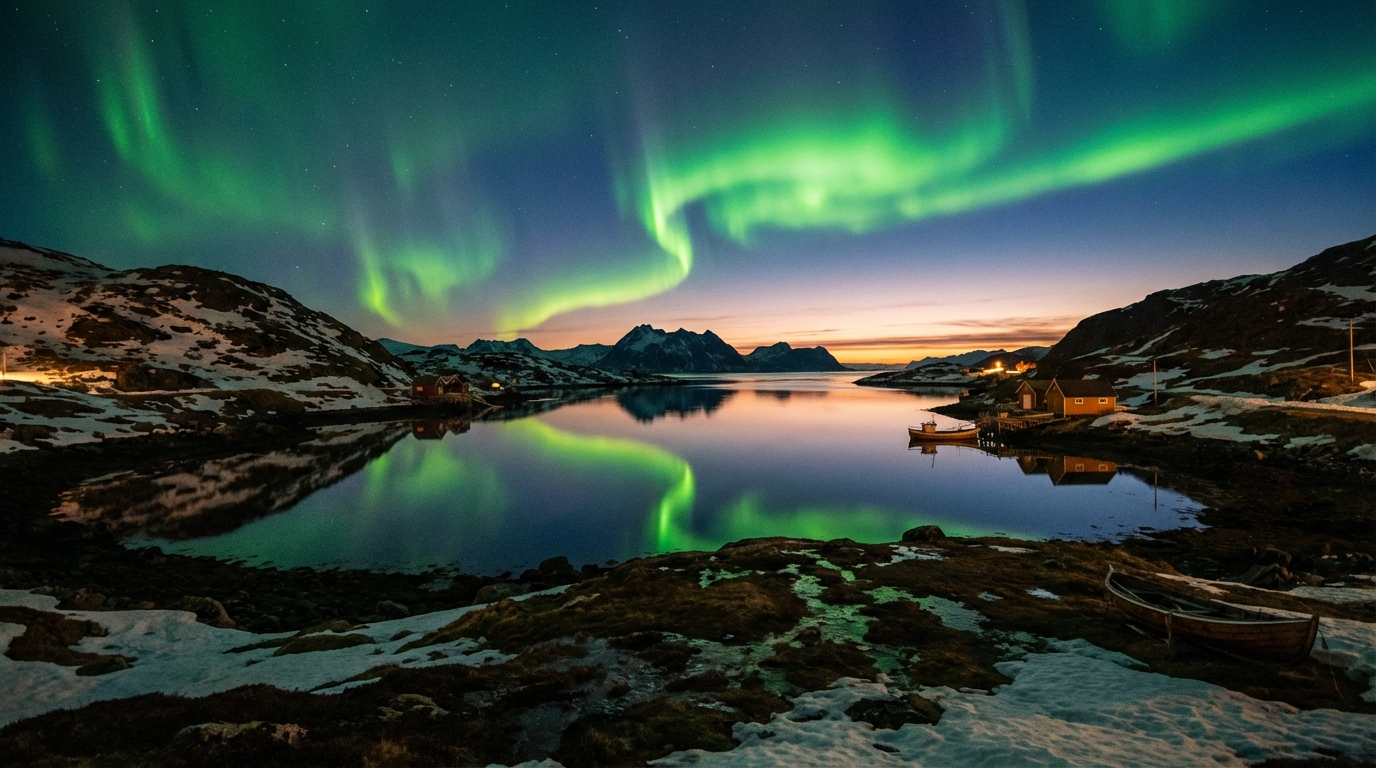
Can You See the Northern Lights in January? Deep-Winter Aurora Guide
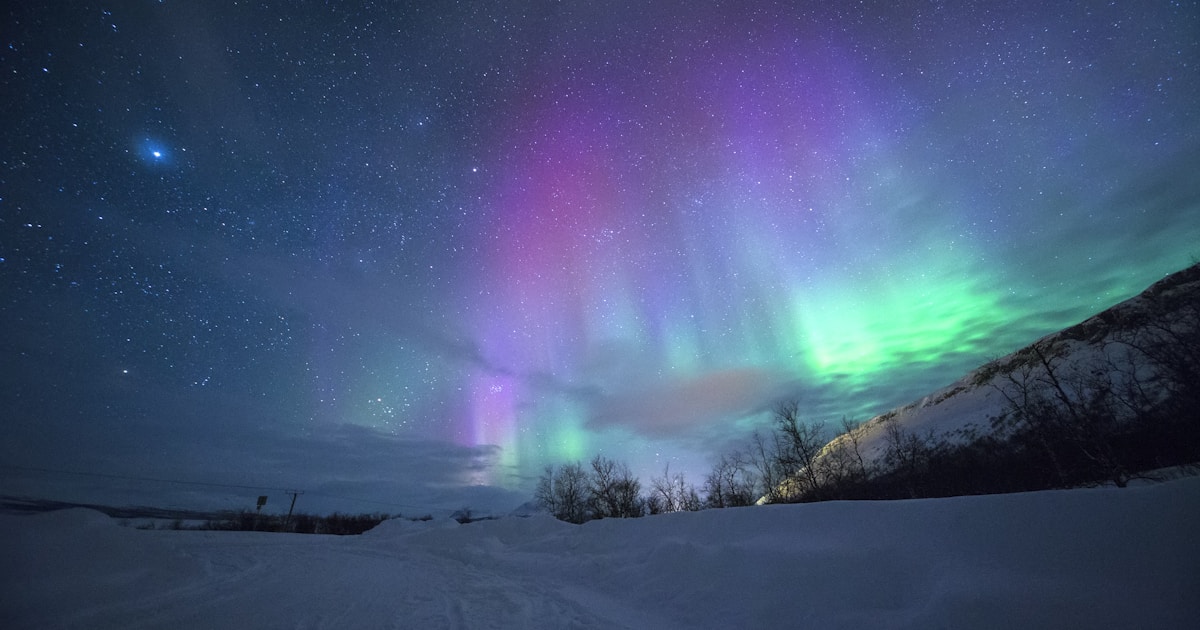
Quick answer: yes. January is one of the main northern lights months across the aurora belt. Destinations such as Tromsø, Abisko, Fairbanks, Rovaniemi, Yellowknife and Iceland all have enough darkness for serious aurora viewing.
January is best when you want long nights, snow-covered landscapes and a quieter window after the Christmas/New Year peak. It is not the easiest month if you dislike cold, icy roads or limited daylight. Compared with December, January often has similar darkness with less holiday pressure after the first week. Compared with February, it is darker and more polar-night shaped; February is usually easier if you want more daylight around the same winter trip. Compared with March, January is colder and darker, while March gives you more daytime activity time and a useful equinox-season aurora pattern.
Use January if you can dress properly, build in several viewing nights and stay flexible around weather. The aurora still needs clear sky and geomagnetic activity: before committing to a late-night outing, compare live Kp, darkness and cloud-cover signals with PolarTourist aurora alerts.
January Northern Lights Verdict
| Question | Practical answer |
|---|---|
| Can you see the northern lights in January? | Yes. January is a core winter aurora month across high-latitude destinations. |
| Is January better than December? | Often for lower post-holiday pressure; December wins if you specifically want Christmas markets and festive travel. |
| Is January better than March? | January is darker and more wintry; March is usually easier for daylight activities and milder travel logistics. |
| Best January destinations? | Fairbanks, Yellowknife, Abisko, Tromsø/Alta, Finnish Lapland and Iceland away from city light. |
| Biggest risk? | Cloud, extreme cold, short daylight and assuming a dark month guarantees visible aurora. |
Why January Works for Aurora Travel
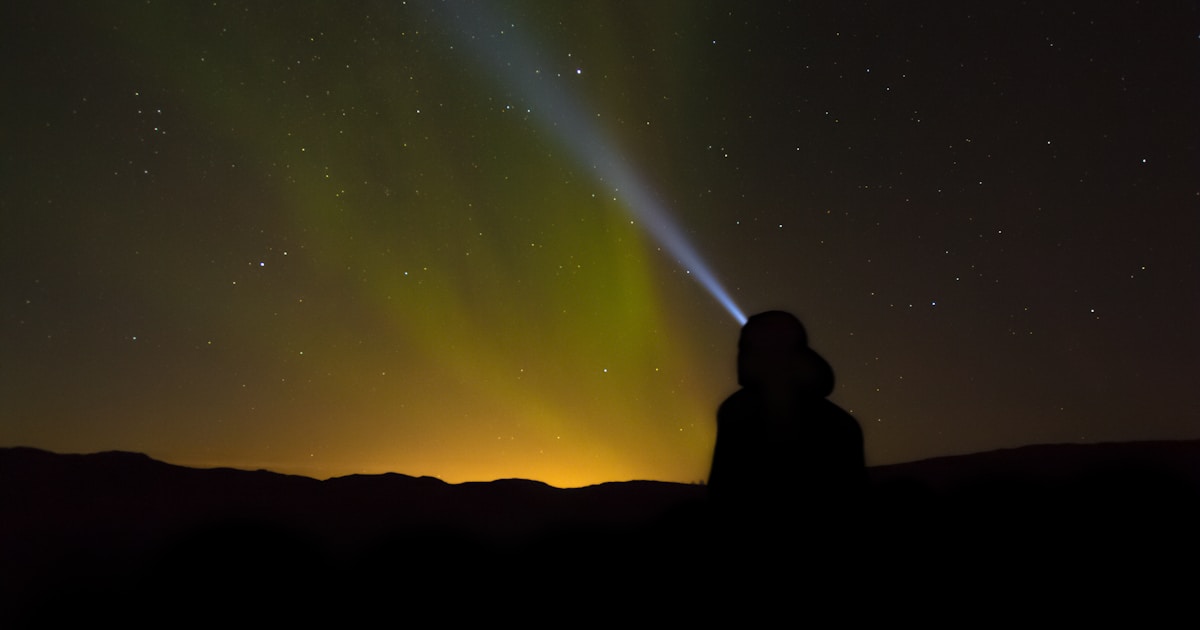
January gives northern-lights travellers three practical advantages:
- Long dark windows. At Arctic and sub-Arctic latitudes, January nights are long enough that you are not fighting late sunsets the way you would in shoulder months.
- Winter scenery. Snow, frozen lakes and dark landscapes make aurora viewing and photography feel more dramatic, especially in inland Lapland, Sweden, Alaska and Canada.
- More post-holiday space. After New Year, some destinations feel easier than the Christmas week surge, although availability varies by place and school-holiday calendar.
Best January Northern Lights Destinations
| Destination | January strength | Watch-outs |
|---|---|---|
| Fairbanks, Alaska | Inland climate, long nights and strong aurora infrastructure. | Very cold; plan heated breaks and transport carefully. |
| Yellowknife, Canada | Dark skies, dry inland winter and strong aurora-tour setup. | Extreme cold and fewer casual daytime options. |
| Abisko, Sweden | Famous clear-sky reputation and easy rail access from Kiruna/Narvik. | Limited accommodation; book early. |
| Tromsø, Norway | Strong tour infrastructure and coastal-Arctic scenery. | Coastal cloud means guided mobility matters. |
| Rovaniemi, Finland | Easy Lapland base with family winter activities. | More light pollution near town; choose dark-sky outings. |
| Iceland | Dramatic landscapes and easy flights. | Weather changes quickly; do not rely on one night near Reykjavík. |
January vs December vs March
If you are choosing between winter months, think in tradeoffs rather than rankings.
| Month | Best for | Less ideal for |
|---|---|---|
| December | Festive atmosphere, polar-night scenery, Christmas activities. | Lower prices and flexible accommodation around holidays. |
| January | Deep winter, long nights, quieter post-holiday planning. | Travellers who struggle with cold or want long daylight sightseeing. |
| March | More daylight, milder trips, photography and spring-equinox aurora interest. | Maximum winter darkness and Christmas atmosphere. |
How Many Nights Should You Plan?
Do not plan a January aurora trip around one viewing night. The month gives you darkness, but cloud can still wipe out a perfect forecast. A safer structure is:
- Three nights minimum if the destination is very aurora-focused and your schedule is tight.
- Four to six nights for a better balance of weather flexibility and daytime activities.
- More than one base only if transport is reliable and you are not losing too much time to winter roads or airports.
January Planning Checklist
- Choose a destination with real darkness, not just a pretty winter brand.
- Book accommodation where late-night arrivals, taxis or tours are realistic.
- Bring or rent proper boots, mittens and layers; cold feet end aurora waits quickly.
- Keep your first or last night flexible if flights and weather are uncertain.
- Use short-range forecasts close to the night: Kp, cloud, local darkness and moonlight all matter.
- Avoid city-centre-only plans unless you know where the darker viewing spots are.
Sources and Forecast Notes
This guide uses January as a travel-planning month, not as a promise of aurora probability. NOAA explains that aurora visibility depends on space-weather activity and that its public aurora product is a short-range forecast, while the University of Alaska Fairbanks distinguishes short-range aurora forecasting from longer-range outlooks. Local weather services are still essential because cloud can block the display even during geomagnetic activity.
Useful planning sources:
- NOAA Space Weather Prediction Center aurora overview
- NOAA Planetary K-index
- University of Alaska Fairbanks Aurora Forecast
- Met Office northern lights explainer
FAQ
Is January a good month for the northern lights?
Yes. January has long nights across the aurora belt and is one of the core winter viewing months. It is strong for darkness and atmosphere, but still depends on cloud, local light pollution and geomagnetic activity.
Is January too cold for a northern lights trip?
Not if you plan for it, but it can be seriously cold in inland destinations such as Fairbanks, Yellowknife, Abisko and Finnish Lapland. Choose clothing, tours and accommodation around warm-up breaks rather than assuming normal city winter gear is enough.
Is January better than February for aurora?
Both can work well. January is often darker and more deep-winter; February usually gives slightly more daylight for daytime activities. The better choice depends on destination, cloud patterns, prices and your tolerance for cold.
Should I choose Tromsø, Fairbanks or Lapland in January?
Choose Tromsø for coastal scenery and strong tour options, Fairbanks for an inland aurora-focused trip, and Finnish Lapland for a mix of family activities, cabins and winter experiences. If aurora is the only goal, prioritise darkness, mobility and cloud risk over the postcard image.
Can I rely on a January aurora forecast before booking?
No. January is a good seasonal choice, but night-specific aurora forecasts are short-range. Book the season and destination for darkness, then use live tools and local weather close to the trip to decide which nights are worth staying out.