
3 Days in Fairbanks: Alaska Aurora Itinerary
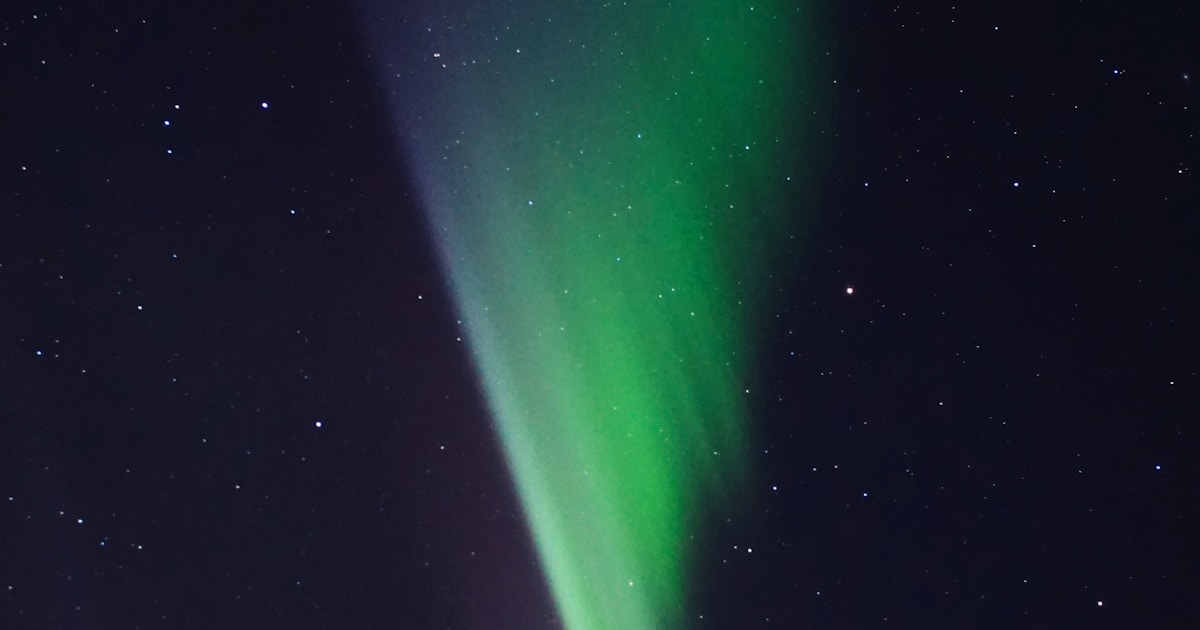
Fairbanks is America's premier northern lights destination. For a broader country overview, read the Northern Lights in Alaska guide, or compare it with Norway in the Tromsø vs Fairbanks northern lights guide. Sitting at 64.8°N inside the auroral oval, Alaska's interior hub benefits from a dry continental climate that delivers far less cloud cover than coastal areas. With an aurora score of 9/10, world-class aurora forecasting from the University of Alaska Fairbanks, and the legendary Chena Hot Springs, Fairbanks offers aurora viewing with a distinctly Alaskan edge.
Best months: December through March, with February and March offering improving conditions and the approach of the spring equinox (historically the strongest aurora period).
What makes it special: Soaking in a natural hot spring under the northern lights is one of travel's great experiences — and Chena Hot Springs is where it happens. Add aurora viewing domes, dog sledding, and genuine Alaskan frontier culture.
Day 1: Arrival & Fairbanks Introduction

Afternoon: Arrive & Explore Downtown
Fly into Fairbanks International Airport (FAI) — connected via Anchorage, Seattle, and other US hubs. Alaska Airlines operates the main routes.
Explore downtown Fairbanks:
- Morris Thompson Cultural and Visitors Center — free exhibits on Alaska's Indigenous cultures, wildlife, and the aurora. The staff provide excellent aurora forecasting advice.
- Golden Heart Plaza — the central square with the iconic Unknown First Family statue
- Walk along the Chena River through downtown
For lunch, try Lavelle's Bistro for Alaskan-fusion cuisine or Salty's for casual burgers and local beer.
Late Afternoon: University of Alaska Museum of the North
Visit the Museum of the North on the UAF campus — an architecturally striking building with world-class exhibits on Alaska's geology, wildlife, and Indigenous art. The aurora exhibit explains the science behind what you'll see tonight.
Tip: Check the UAF Aurora Forecast (gi.alaska.edu/monitors/aurora-forecast) daily — this is the gold standard for aurora predictions and locals swear by it.
Evening: First Aurora Viewing
Drive to Cleary Summit (30 minutes north of Fairbanks) or Murphy Dome for dark-sky aurora viewing. Both are popular local spots with 360° horizons and minimal light pollution.
Alternatively, book a guided aurora tour with a Fairbanks operator — they use the UAF forecast to find the clearest skies. Most tours run from 10 PM to 2 AM and include hot drinks and transport.
Day 2: Chena Hot Springs Day

Full Day: The Chena Hot Springs Experience
Drive (or shuttle) to Chena Hot Springs Resort, 60 miles (96km) east of Fairbanks. This is the highlight of any Fairbanks trip.
Morning/Afternoon at Chena:
- Soak in the outdoor Rock Lake hot spring — natural geothermal water at 41°C surrounded by snow and ice. In winter, steam rises from the pool creating an ethereal atmosphere.
- Visit the Aurora Ice Museum — a year-round ice gallery kept at -7°C, with ice sculptures, an ice bar, and an ice hotel room. Drinks served in ice glasses (included in admission, ~$15).
- Explore the geothermal energy facility — Chena runs entirely on geothermal power and offers fascinating tours.
Evening: Aurora from the Hot Springs
This is the bucket-list moment. Float in the outdoor hot spring as the northern lights dance overhead. Chena Hot Springs is located in a valley with excellent dark skies, and the resort dims its lights when aurora activity is forecast.
The resort also has aurora viewing yurts and heated outdoor viewing areas for those who want to watch without getting wet.
Cost: Day pass ~$15, overnight from $250/night. Shuttle from Fairbanks ~$75 round trip.
Tip: Consider staying overnight at Chena to maximize aurora viewing time. The resort has an aurora wake-up call service.
Day 3: Alaskan Adventures & Departure
Morning: Dog Sledding
Book a morning dog sled tour with a Fairbanks musher. Several operators run tours on trails outside the city — some with Iditarod veteran mushers. You'll learn to drive your own sled team through Alaskan boreal forest.
Alaska has the deepest sled dog culture in the world — the Iditarod Trail Sled Dog Race begins in Anchorage each March, and Fairbanks is a key staging point.
Cost: $150–250 per person for a 2-hour experience.
Late Morning: Running Reindeer Ranch or Pioneer Park
Visit the Running Reindeer Ranch — a unique Fairbanks attraction where you walk through the boreal forest alongside free-roaming reindeer. It's gentle, beautiful, and quintessentially Alaskan.
Alternatively, explore Pioneer Park — a free outdoor museum and park celebrating Fairbanks' Gold Rush heritage with historic buildings, a sternwheeler riverboat, and the Alaska Centennial Center for the Arts.
Afternoon: Departure
Head to the airport for your departure. If connecting through Anchorage, the Alaska Airlines flight takes about 1 hour.
Budget Breakdown
| Category | Budget | Mid-Range | Luxury |
|---|---|---|---|
| Accommodation | £50–80/night (motel/B&B) | £110–180/night (hotel) | £200–400/night (aurora dome/lodge) |
| Food | £25–40/day | £55–85/day | £100–170/day |
| Activities | £50–80/tour | £100–200/tour | £250–400/private tour |
| Transport | £20–35/day (shuttle) | £50–80/day (car rental) | £100+/day |
| Daily Total | £145–235 | £315–545 | £650–1,070 |
Where to Stay
Budget: Billie's Backpackers Hostel
Funky, friendly hostel near downtown. From $50 (~£40)/night.Mid-Range: SpringHill Suites Fairbanks
Modern hotel with aurora viewing from the parking lot (seriously). From $150 (~£115)/night.Luxury: Borealis Basecamp
Purpose-built aurora viewing domes with heated glass cubes on a dark hillside outside Fairbanks. Fall asleep watching the aurora. From $350 (~£270)/night.Getting There
- By air: Alaska Airlines from Anchorage (1h), Seattle (3.5h). Seasonal direct flights from other US cities.
- By road: The Parks Highway from Anchorage (360 miles, 5.5 hours) is a classic Alaskan road trip.
- Car rental: Highly recommended for flexibility, especially for Chena Hot Springs and dark-sky viewpoints.
What to Pack
- Extreme cold gear (temperatures can hit -40°C in January)
- Heavy parka rated to -40°C
- Insulated snow boots (Bunny Boots are the Alaskan classic)
- Face protection — balaclava and ski goggles for extreme cold
- Swimsuit (for Chena Hot Springs)
- Layers — temperatures vary hugely between heated interiors and outside
- Camera with cold-weather protection
- Plug-in engine block heater cord (if renting a car — ask the rental company, all Fairbanks cars have them)
FAQ
How cold does Fairbanks get?
January averages -23°C, with -40°C possible. Like Yellowknife, this is serious Arctic cold. The dry interior climate means less wind chill than coastal areas, but exposed skin freezes in minutes at these temperatures.Is a car essential?
A car gives you much more flexibility, especially for Chena Hot Springs and dark-sky aurora viewpoints. Without a car, you'll rely on shuttles and guided tours, which work but limit spontaneity.When is the best time for the Iditarod?
The Iditarod starts in Anchorage the first Saturday in March. Fairbanks hosts sled dog events throughout winter. If you time your trip for late February/early March, you get both improving aurora conditions and sled dog culture.How does Fairbanks compare to Yellowknife?
Both score 9/10 for aurora with similar cold extremes. Fairbanks offers Chena Hot Springs (unique advantage), more developed tourist infrastructure, and easier US domestic flights. Yellowknife has Aurora Village's teepees and authentic Indigenous experiences. Both are excellent.Can I combine Fairbanks with Denali?
In winter, Denali National Park is largely closed to vehicles (the park road is only plowed for the first 3 miles). However, the area around the park entrance is accessible and offers winter activities. It's a 2-hour drive south — possible as a day trip with a car.Explore the full Fairbanks destination guide for more activities and planning tips.