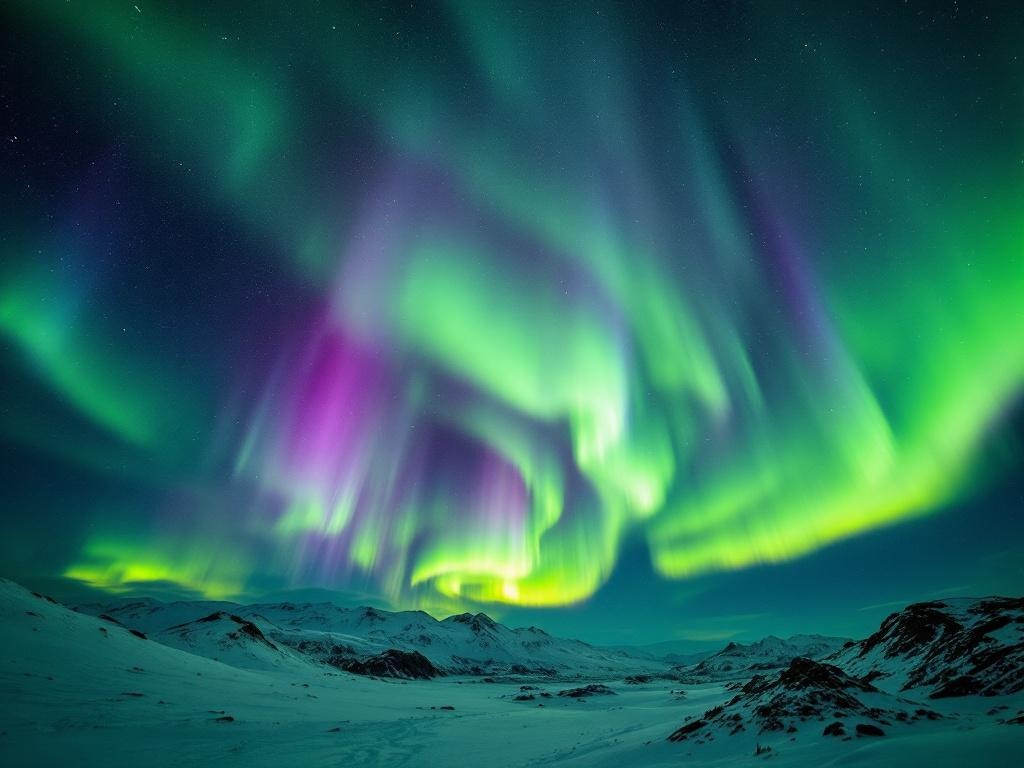
Northern Lights in Alaska: Complete Guide 2026
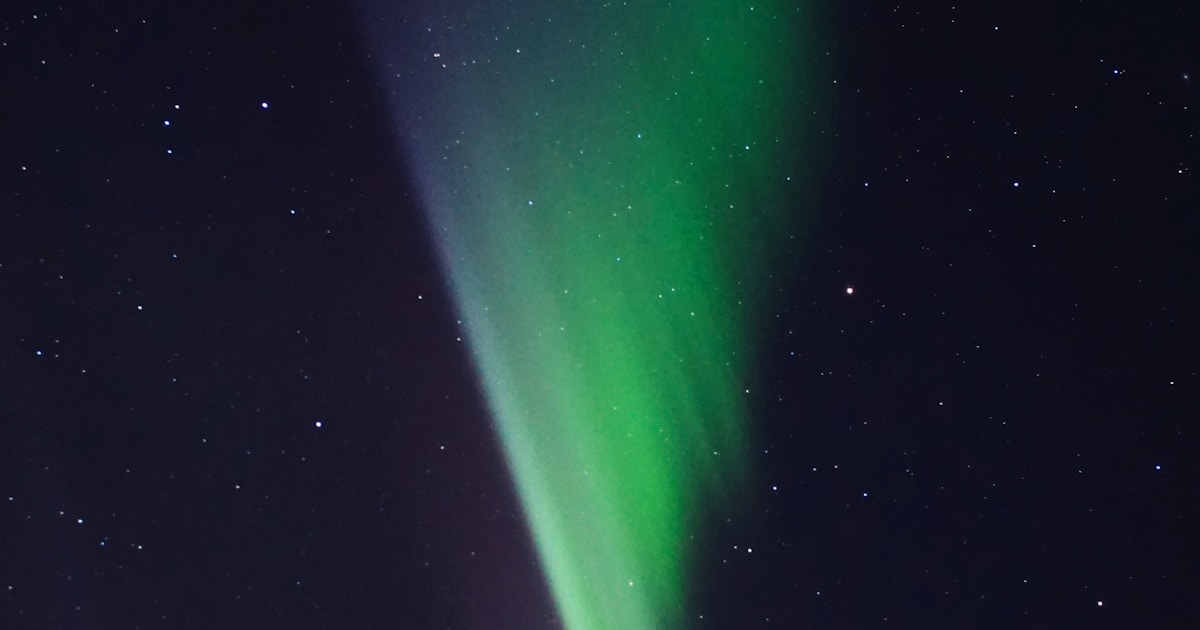
Alaska — America's Last Frontier — is the only U.S. state where you can reliably see the northern lights. Fairbanks, sitting at 64.8°N directly under the auroral oval, is one of the most accessible and reliable aurora destinations in North America. Combined with Alaska's iconic wildlife, hot springs, and vast wilderness, it offers an aurora experience that's uniquely American.
For U.S.-based travellers, Alaska eliminates the need for a passport, foreign currency, or transatlantic flights. Fairbanks is a 3.5-hour flight from Seattle, making it the most accessible high-probability aurora destination for Americans.
Why Alaska for Northern Lights?
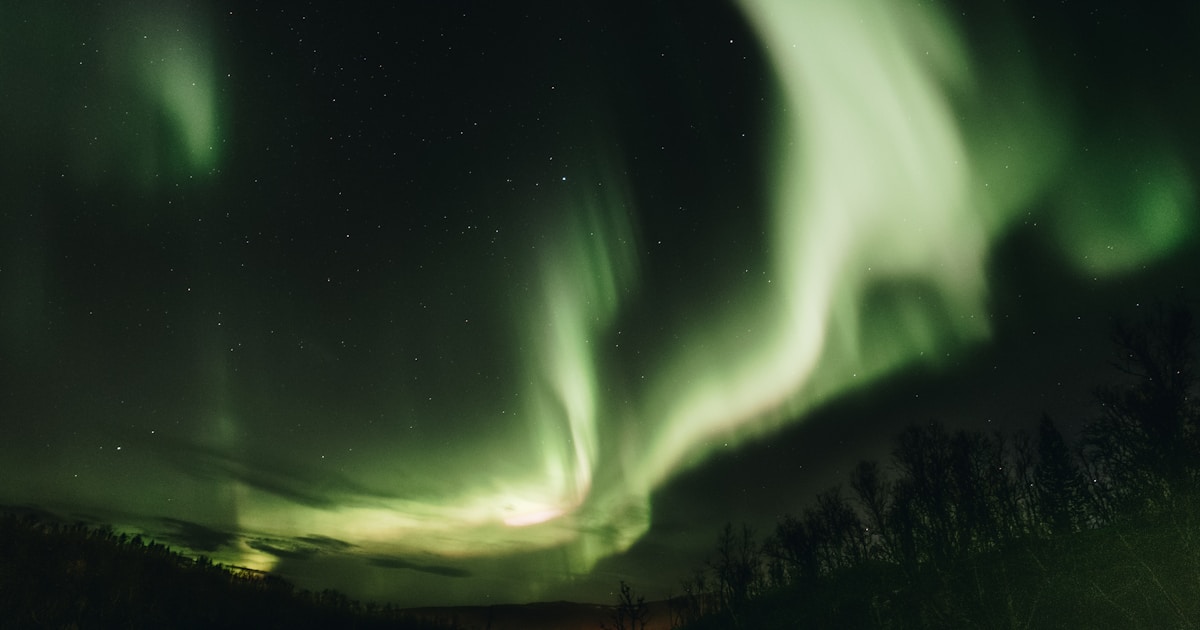
Under the Auroral Oval
Fairbanks sits almost directly under the auroral oval at 64.8°N. Like Yellowknife in Canada, this means the aurora appears overhead rather than on the horizon, creating full-sky displays on active nights. The University of Alaska Fairbanks Geophysical Institute operates one of the world's leading aurora forecast systems.
Hot Springs Aurora
Alaska offers a unique experience: watching the northern lights while soaking in natural hot springs. Chena Hot Springs Resort, 60 miles from Fairbanks, provides heated outdoor pools with unobstructed views of the northern sky. The contrast of steaming water and dancing aurora is unforgettable.
No Passport Required (for Americans)
Alaska is a U.S. state. No passport, no visa, no foreign currency, no language barrier. For the estimated 130 million Americans with aurora on their bucket list, Fairbanks is the most practical option by far.
Clear Continental Climate
Interior Alaska has a cold, dry continental climate similar to Canada's Northwest Territories. Fairbanks has a dry continental climate that can provide more clear-sky opportunities than many maritime destinations.
Alaska's 4 Northern Lights Destinations
Fairbanks — Alaska's Aurora Capital (Aurora Score: 9/10)
Fairbanks is the premier aurora destination in the United States. Alaska's second-largest city sits in the Tanana Valley at 64.8°N, surrounded by boreal forest and mountains.
Weather: January averages -23°C (-9°F) with 20 hours of darkness. February -20°C (-4°F) with 15 dark hours. March -11°C (12°F) with 9 dark hours. Interior Alaska is genuinely cold.
Activities: Northern lights tours, dog sledding (Fairbanks is near the Iditarod trail), snowmobile safaris, ice fishing, hot spring soaks (Chena Hot Springs), aurora viewing domes, snowshoeing, aurora camps, photography tours, cross-country skiing, husky sledding, indigenous cultural experiences, and midnight sun viewing (summer).
Best months: December through March. February and March offer excellent aurora combined with improving temperatures and the returning sun.
Why choose Fairbanks: Highest aurora probability in the U.S. Excellent tour infrastructure. Chena Hot Springs aurora experience. University of Alaska aurora forecasting. Direct flights from Seattle, Anchorage, and Minneapolis. The most accessible high-probability aurora destination for Americans.
Key experience — Chena Hot Springs: Located 60 miles northeast of Fairbanks, this resort offers natural hot springs, an ice museum (kept frozen year-round), aurora viewing tours, and the magical experience of watching the northern lights from the outdoor hot pool at -30°C ambient temperature.
Denali — Mountain Aurora (Aurora Score: 8/10)
Denali National Park is home to North America's tallest mountain (6,190m / 20,310ft). In winter, the park offers extraordinary aurora viewing with the mountain as a backdrop.
Weather: January averages around -20°C. Similar cold to Fairbanks but windier and more variable due to mountain weather systems.
Activities: Northern lights photography, snowmobile safaris, dog sledding, wildlife watching (moose, caribou, wolves, Dall sheep), cross-country skiing, snowshoeing, and backcountry camping.
Best months: September through March. September offers the unique possibility of aurora over autumn tundra colours.
Why choose Denali: The aurora over North America's tallest mountain is one of the most spectacular natural sights on Earth. Denali in winter is quiet, wild, and magnificent. Note: the park road is closed beyond Mile 3 in winter, but aurora is visible from the entrance area.
Anchorage — The Accessible Option (Aurora Score: 6/10)
Anchorage is Alaska's largest city and main air hub. At 61°N, it sees aurora during moderate to strong geomagnetic activity.
Weather: January averages -9°C with 14 hours of darkness. Significantly warmer than Fairbanks due to coastal influence.
Activities: Northern lights tours (drive north to reduce light pollution), wildlife watching, glacier tours, dog sledding, skiing (Alyeska Resort), and urban amenities.
Best months: December through March.
Why choose Anchorage: If you're visiting Alaska for other reasons (glaciers, wildlife, skiing), Anchorage provides a moderate chance of aurora without the extreme cold of Fairbanks. Drive 30–60 minutes north on the Glenn Highway for darker skies.
Juneau — Southeast Aurora (Aurora Score: 5/10)
Juneau is Alaska's capital, nestled between mountains and the Pacific in the southeast panhandle.
Best months: October through March.
Why choose Juneau: Only viable during strong geomagnetic storms. Beautiful setting but maritime climate means frequent cloud cover. Not recommended as a primary aurora destination.
When to Go
December–January: Maximum darkness. Extreme cold in Fairbanks (-23°C average). Excellent clear-sky probability. Fewer tourists.
February: Excellent aurora month. Temperatures improving. Sun returning. Growing daylight for daytime activities. Recommended.
March: Spring equinox aurora boost. March in Fairbanks averages -11°C — still cold but much more comfortable than January. Good balance of dark nights and daylight activities. Popular month — book ahead. Recommended.
September: Early season. Aurora visible from ~10 PM. Autumn colours in Denali. Mild temperatures. Good for combining aurora with fall activities.
Costs
Alaska is expensive by U.S. standards, but competitive internationally.
Budget ($150–250/day)
- Budget hotels/Airbnb: $80–150/night
- Self-catering/fast food: $25–40/day
- Aurora tour: $80–150/night
Mid-Range ($300–500/day)
- Hotels: $150–250/night
- Restaurants: $50–80/day
- Activities (dog sledding, hot springs): $100–250/activity
- Car rental: $60–100/day
Luxury ($600+/day)
- Premium lodges: $300–600/night
- Private aurora tours: $400–800
- Helicopter/bush plane experiences: $300+
Flights
- Seattle to Fairbanks: $250–500 return
- Los Angeles to Fairbanks: $350–700 return
- New York to Fairbanks: $400–800 return
- Anchorage to Fairbanks: $100–200 return (1 hour)
Practical Tips
Extreme Cold in Fairbanks
Fairbanks is as cold as Yellowknife. At -23°C:- Your car needs a block heater (all rental cars in Fairbanks have them)
- Plug in your car whenever you park (outdoor outlets are everywhere)
- Camera batteries die in minutes — keep spares warm inside your jacket
- Dress in serious Arctic layers with insulated boots rated to -40°F
Driving
A rental car is the best way to explore Alaska's aurora country. The Steese Highway and Elliott Highway north of Fairbanks provide excellent dark-sky locations. The Parks Highway to Denali offers aurora viewing pullouts. Alaska roads in winter are well-maintained but icy — 4WD recommended.Aurora Forecasting
The University of Alaska Fairbanks Geophysical Institute (gi.alaska.edu/monitors/aurora-forecast) provides the most accurate Alaska-specific aurora forecast. Check it daily during your trip.Frequently Asked Questions
Can you see the northern lights from Anchorage?
Yes, but less reliably than Fairbanks. Anchorage sees aurora during moderate storms (Kp 4+). Drive north on the Glenn Highway to escape city light pollution. On strong storm nights (Kp 6+), aurora can be spectacular from Anchorage.Is Fairbanks or Yellowknife better?
Both score 9/10 with similar clear-sky reliability. Yellowknife has slightly better aurora statistics. Fairbanks has Chena Hot Springs, Denali nearby, and no passport requirement for Americans. Canadians should go to Yellowknife; Americans should go to Fairbanks.How cold is it really?
Fairbanks in January: average -23°C (-9°F), with lows commonly reaching -35°C (-31°F). On clear, calm nights (the best for aurora), radiative cooling can push temperatures to -40°C (-40°F) or below. This is not optional-warm-clothing cold — this is survival-gear cold.When does aurora season end in Alaska?
The last reliable month is March. By mid-April, nights in Fairbanks are too short for aurora viewing. The season resumes in late August–early September.Is Denali worth visiting in winter?
Yes, but with expectations set correctly. The park road is closed beyond Mile 3 from mid-September. You won't see Denali's interior in winter. But the mountain itself, visible from many viewpoints, makes an extraordinary aurora backdrop. The winter silence and wilderness are profound.Explore all our Alaska destinations for detailed guides to each location.