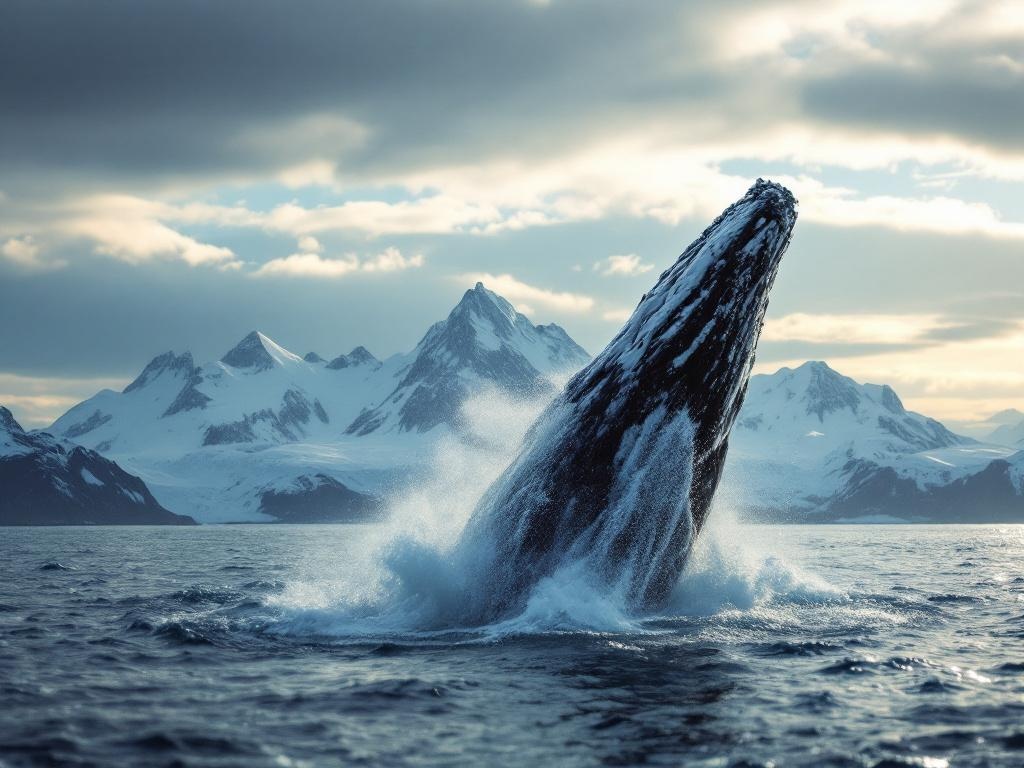
Whale Watching in Norway: Complete Guide 2026
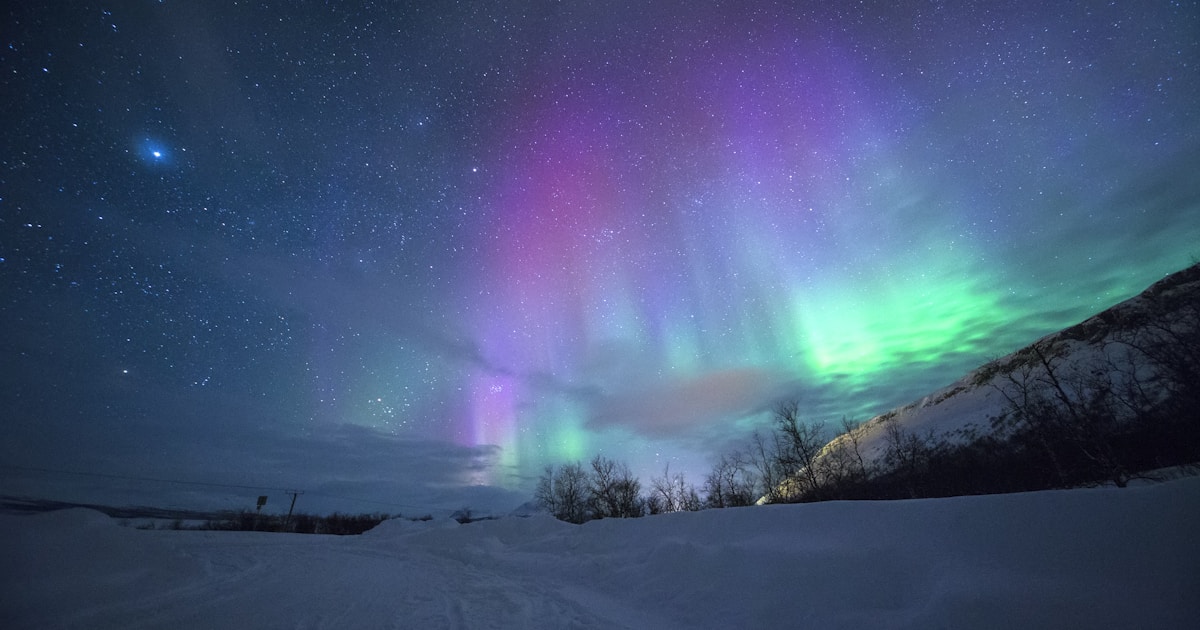
Norway is one of the most appealing cold-season whale watching destinations because it can combine dramatic winter light, northern scenery, and the possibility of seeing large marine life on the same trip. It is also one of the easiest places for travelers to misunderstand, because the whale season is shaped by moving feeding patterns and can shift between areas.
That means the best Norway whale watching trip is not just about choosing a famous base. It is about picking the right region, the right timing, and the right boat style for real winter conditions.
The short answer
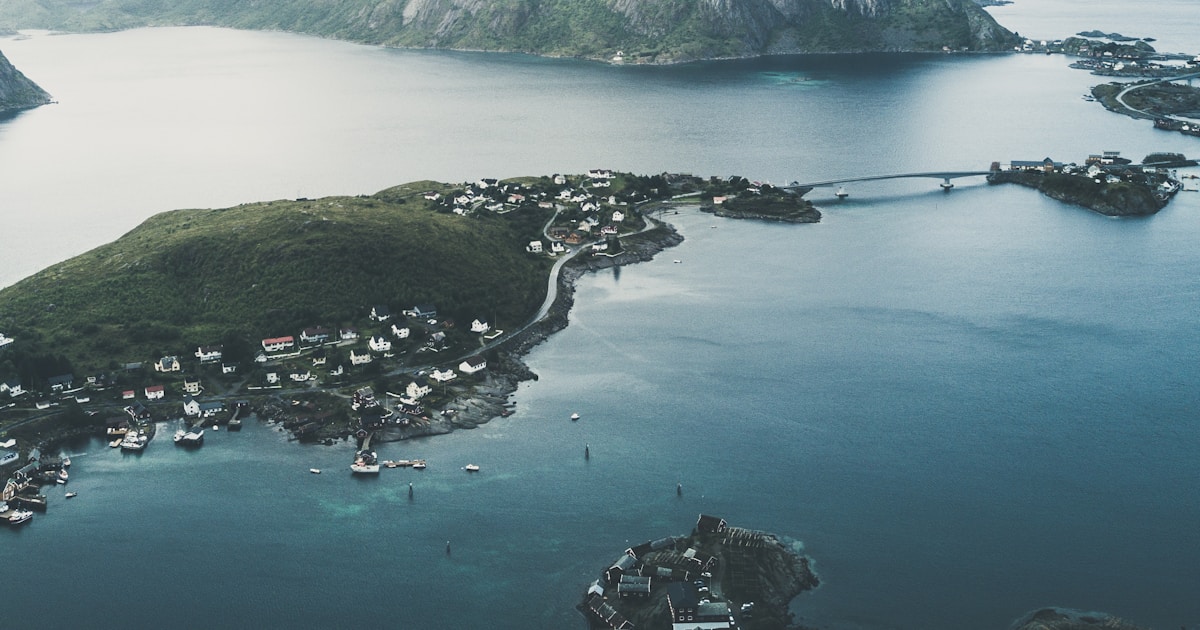
- Northern Norway is the core region to focus on.
- Tromso is usually the easiest base, but not always the absolute closest departure point for the season's best activity.
- Winter is the headline period, especially when travelers hope to combine whales with aurora and Arctic scenery.
- You should check where boats are actually departing that season, because whale activity and operator focus can shift.
Best places to base yourself
Tromso
Best for: first-time visitors, travelers combining several Arctic activities, easy access and strong accommodation choiceTromso is the obvious planning base because it has the best flight access, lots of tours, and enough infrastructure to support a winter trip comfortably. If whales are part of a broader northern Norway holiday, Tromso is often the most practical answer.
The main limitation is that the city's fame can make people assume all whale action happens right outside town. In reality, operators may need to run longer transfers or use different departure points depending on the season.
Senja and surrounding northern coastal areas
Best for: travelers already road-tripping, photographers, travelers prioritizing scenery and a less city-based feelSenja is compelling because the landscapes are exceptional and the trip can feel more immersive. It is less straightforward than Tromso, but potentially more rewarding if you are already comfortable with winter logistics.
Lofoten and other Norway add-ons
Lofoten is world-famous, but it is not automatically the first answer for every whale-watching trip. It works best when you are already committed to a wider scenic itinerary rather than trying to choose the single simplest whale base.What whales people usually hope to see
Norway's winter whale trips are often associated with orcas and humpbacks, though exact sightings depend on the season and wildlife movement. As with any marine wildlife trip, no responsible operator should guarantee a species list for your departure.
A better mindset is to choose a region and operator with strong local adaptation rather than chasing overly specific promises.
Best time to go
The classic Norway whale-watching window is late autumn into winter, often centered on the months when travelers are also visiting for aurora.
November to January
This is the most commonly discussed period for winter whale watching in northern Norway. It is the easiest timeframe to start with if you want to combine multiple Arctic activities.Outside the core winter months
Some marine excursions continue, but if whales are your main reason for the trip, you should verify local seasonality rather than assuming departures are equally strong year-round.Boat choice matters a lot
Larger vessels
Best for: nervous travelers, families, anyone concerned about seasickness Tradeoff: less agile and sometimes less intimateRIB and smaller fast boats
Best for: travelers who want a more dynamic experience and can tolerate cold and sea spray Tradeoff: exposure, rougher ride, and less suitability for some travelersIn Norway's winter conditions, this choice is not cosmetic. It changes comfort, fatigue, and how much you enjoy the day.
Combining whales with northern lights
This is one of Norway's biggest trip-selling points, but it helps to separate fantasy from practical planning.
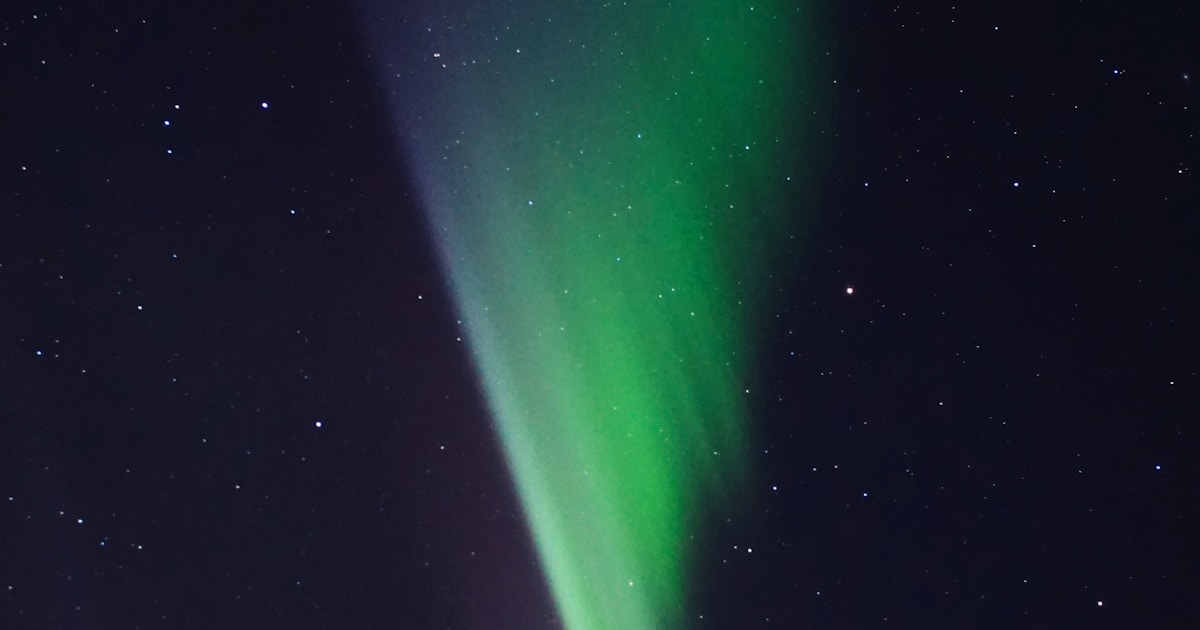
You can absolutely combine whale watching and aurora on the same trip to northern Norway. What is less reliable is the idea that one specific tour will seamlessly produce both in one outing. Weather, daylight, and marine schedules do not always align that neatly.
The better approach is to base yourself somewhere like Tromso and treat whales and aurora as complementary activities across several days.
Common planning mistakes
Booking a trip too early without checking the current season's departure pattern
Whale activity can shift. Confirm where operators are actually running that winter.Choosing only by destination name
A famous town is less important than where the boat departs and how the operator adapts to that season.Underestimating winter sea conditions
Even a short trip can feel physically tiring in cold wind and swell.Assuming every whale trip is equally photographic
Light, distance, vessel stability, and crowding all affect the experience.Costs and value
Expect Norway whale watching to sit in the mid-to-premium bracket for day excursions, especially in winter. You are paying for specialist boats, cold-weather operations, and a short, highly marketable season.
When comparing options, look at:
- true departure point
- transfer time
- group size
- boat type
- suit and gear inclusion
- refund or reschedule policy
Who should choose Norway for whale watching?
Best for travelers already planning a northern lights trip
Excellent fit. The overlap in seasonality is a major advantage.Best for photographers who value dramatic winter atmosphere
Potentially yes, as long as you accept fast-changing light and sea conditions.Less ideal for travelers who mainly want calm-water comfort
Iceland in summer may be the easier whale destination for them.Frequently asked questions
Is Tromso the best place in Norway for whale watching?
It is often the best base for logistics, but not always the exact closest point to that season's most active marine area.What is the best month?
The late-autumn to midwinter period is the main place to start, especially if whales are part of a wider Arctic trip.Can I combine whale watching and aurora in one trip?
Yes, very naturally across several days.Is Norway better than Iceland for whale watching?
Norway is especially attractive for winter wildlife plus aurora trips. Iceland is often easier for broader spring and summer whale-watching travel.Also see our ultimate Arctic whale watching guide and Tromso accommodation guide.