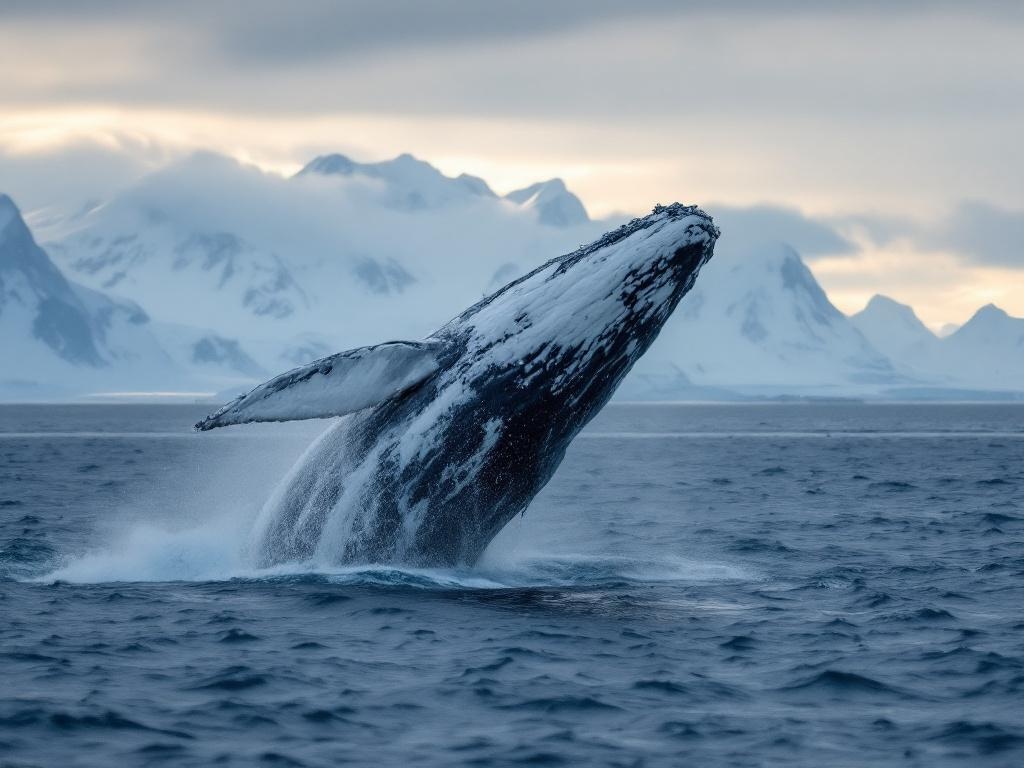
Ultimate Guide to Arctic Whale Watching: Seasons, Species, and Best Places
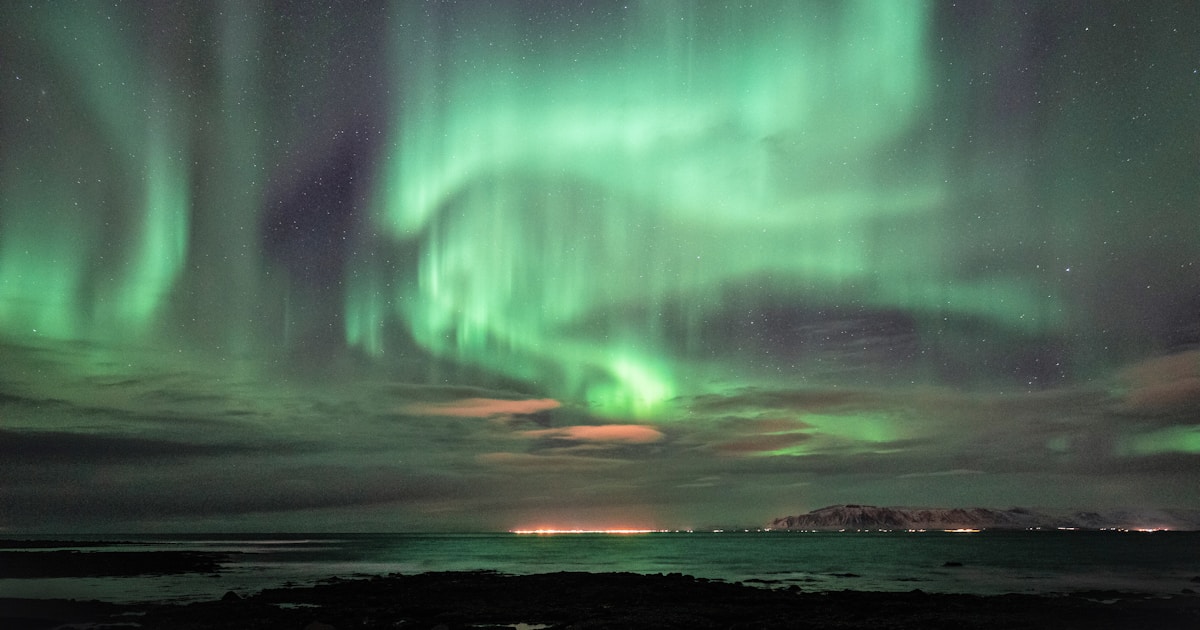
Arctic whale watching is not a single season or a single animal. Some trips are about humpbacks and orcas feeding near winter herring runs, others focus on summer puffins and mixed marine life, and some destinations are valued more for dramatic scenery than for the whale odds alone. This guide is a comparison hub so you can pick the right destination and season before looking at operators.
Start With the Species and Sea Conditions

| Goal | Best fit | Why |
|---|---|---|
| Winter orcas and humpbacks | Northern Norway | Strong seasonal feeding activity and established operators |
| Summer mixed whale trips | Iceland | Easy access and broad visitor infrastructure |
| Scenic expedition feel | Greenland, Svalbard, expedition routes | More remote atmosphere, but higher cost and more uncertainty |
| Family-friendly first whale trip | Iceland or easy Norway departures | Simpler logistics and wider operator choice |
The Main Tradeoff: Wildlife Odds vs Sea Comfort

The best whale destinations are not always the easiest boat days. Northern Norway can be brilliant in the right season, but winter sea conditions and short daylight hours make the trip feel serious. Iceland often offers easier logistics and more mainstream boat choices, though sightings depend strongly on region and season.
Best Destinations at a Glance
Norway
Northern Norway is strongest when herring patterns and migration align, especially for travellers chasing winter orca and humpback encounters. It suits travellers who can tolerate cold decks, variable seas, and a more weather-sensitive schedule.
Iceland
Iceland is often the simplest first Arctic whale destination. Reykjavik, Husavik, Akureyri, and other bases offer a wide range of departures, from large boats to smaller specialist tours. It works well for mixed-itinerary travellers who want whale watching alongside waterfalls, road trips, and geothermal stops.
Expedition Destinations
Greenland, Svalbard, and polar expedition routes can be extraordinary, but they are usually side benefits within broader expedition travel rather than the cheapest or simplest way to watch whales.
Boat Type Matters
Large boats provide more shelter and are often better for travellers prone to seasickness. Smaller RIBs and specialist boats can feel more immersive and flexible but expose guests to cold and waves far more directly. Do not compare ticket prices without comparing the boat style.
Ethical and Practical Checks
Good operators explain viewing distance, local rules, the limits of wildlife certainty, and what weather might do to the day. Better operators also tell you when not to book, for example if you are highly seasick, pregnant, or travelling with very young children in harsh conditions.
Questions to Ask Before Booking
- Which species are usually seen in this month?
- What sea conditions are typical?
- What boat type is used?
- Is there indoor shelter and toilet access?
- How often are trips cancelled or rerouted for weather?
- Is photography help or wildlife interpretation included?
Pair This Guide With Local Pages
Use local guides when you have narrowed the destination. The ultimate guide should own broad comparison intent, while the country pages should own local booking intent and route specifics.
Bottom Line
Choose Norway for winter whale-focused trips with a higher-adventure feel, Iceland for the easiest all-round whale-watching logistics, and expedition routes when whales are part of a much bigger polar journey.