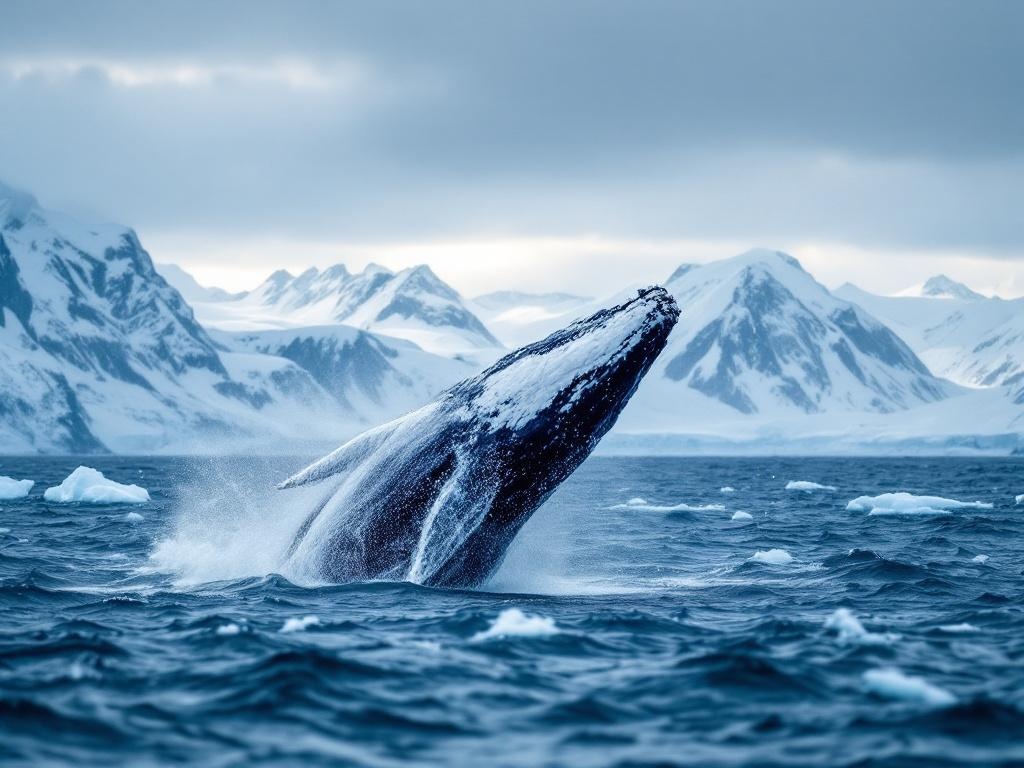
Whale Watching in Iceland: Complete Guide 2026

Iceland is one of Europe's best whale watching destinations because sightings can fit naturally into very different kinds of trips. You can do a simple half-day departure from Reykjavik, or you can build part of your itinerary around North Iceland, where whale watching often becomes a bigger trip highlight.
The right choice depends on whether you want maximum convenience, the strongest whale-watching reputation, or a broader road-trip experience.
The short answer

- Husavik is the best-known dedicated whale watching base in Iceland.
- Reykjavik is the easiest option for short trips and first-time visitors.
- North Iceland usually makes more sense if whale watching is one of your main trip priorities.
- Sea conditions and wildlife are variable, so book for the overall experience rather than a specific guaranteed species list.
Best places for whale watching in Iceland
Husavik
Best for: travelers who want whale watching as a major trip priority Why it stands out: it has the strongest specialist reputation and a wider identity built around the activityHusavik is the place many travelers choose when they want the most purpose-built whale watching stop in Iceland. If your route already includes North Iceland, it is often the most obvious answer.
The tradeoff is simple: it is not the easiest base to add to a very short Reykjavik-only trip.
Reykjavik
Best for: short stays, first-time visitors, easy half-day tours Why it works: departures are convenient and simple to combine with a city itineraryReykjavik is not usually the most specialized whale watching location in the country, but it is easily the most convenient. If you only have a few days in Iceland, this is often the most realistic way to fit whale watching into the trip.
The main compromise is that convenience does not always equal the most distinctive wildlife setting.
Akureyri and North Iceland alternatives
Best for: ring road travelers, flexible itineraries, travelers already heading north Why it can work well: North Iceland gives you more ways to combine whales with geothermal areas, driving routes, and less city-based trip structureWhat you might see
Species and encounter style vary by area and season. Tours may market humpbacks, minkes, white-beaked dolphins, or other marine life, but no operator can responsibly promise exact wildlife outcomes on every departure.
A good Iceland whale watching trip should be judged on:
- time spent in productive waters
- guide quality
- vessel suitability
- how honestly the operator frames sightings
Best time to go
The broad practical season is usually spring through autumn, with summer being the easiest period for most travelers.
Summer
This is the simplest season for road conditions, boat schedules, and general travel planning. It is also when many casual visitors naturally add whale watching to their Iceland itinerary.Shoulder months
These can still work, but weather and departures may be less forgiving. Check schedules carefully.Winter
Some departures exist in some areas, but winter should not be treated as the default nationwide whale watching season in the same way as summer.How to choose between Reykjavik and Husavik
Choose Reykjavik if...
- you only have a few days in Iceland
- you are not driving the Ring Road
- whale watching is a nice addition rather than the main reason for the trip
Choose Husavik if...
- you are already heading to North Iceland
- you want a destination with a stronger whale-watching identity
- you are happy to build the route around the activity
Boat type matters more than many travelers expect
Large traditional boats usually feel more stable and can suit nervous travelers or families. Smaller RIB-style departures can feel faster and more exposed, but they may also feel more intense in rougher conditions.
That does not make one automatically better. It depends on your tolerance for cold, speed, and sea motion.
Seasickness and comfort
This is one of the biggest practical issues on whale watching trips, especially for travelers who are excited about wildlife but not used to being on the water.
If you are prone to motion sickness:
- choose a larger vessel if possible
- avoid assuming summer guarantees calm seas
- dress warmer than you think you need
- do not schedule an overpacked day afterward if boats are a concern
Booking tips
Book by itinerary logic, not by marketing superlatives
A very good Reykjavik trip that fits your route is usually a better choice than a theoretically better Husavik trip that forces awkward logistics.Check the departure port carefully
Some tours marketed under a big-name destination may depart from a nearby harbor rather than the exact town name you have in mind.Understand the weather policy
Rescheduling, sea-state changes, and occasional cancellations are normal parts of marine wildlife trips.Look at duration and vessel style together
A longer tour on the wrong boat for your comfort level is not always the best option.Common mistakes to avoid
Expecting whale watching to look like a nature documentary
Some outings involve repeated surfacing at moderate distance, not constant close breaches.Choosing only by price
Very cheap departures may still be fine, but you should understand what you are sacrificing in boat size, duration, or guide depth.Treating Reykjavik and Husavik as interchangeable
They serve different trip styles.Frequently asked questions
Is Husavik really the best place in Iceland for whale watching?
For many dedicated whale-watching travelers, yes. But the best place for your trip still depends on your route and available time.Can I do whale watching from Reykjavik?
Yes, and it is often the easiest option for short visits.How far ahead should I book?
Earlier booking helps during busy summer periods, especially if you want a specific vessel type or departure time.Is whale watching suitable for children?
Often yes, but exposure, trip length, and sea conditions matter. Family suitability varies more by boat type and child tolerance than by destination name alone.Also see our ultimate Arctic whale watching guide and Iceland destination guides.