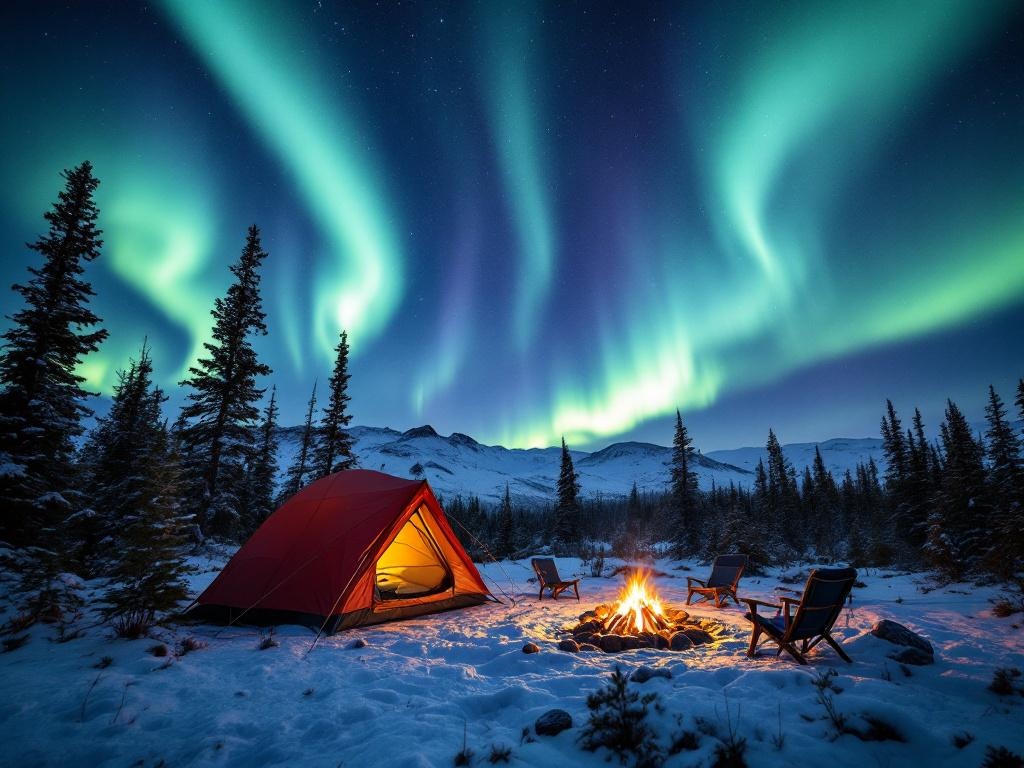
Ultimate Guide to Aurora Camping: Cabins, Domes, Tents, and Cold-Weather Nights
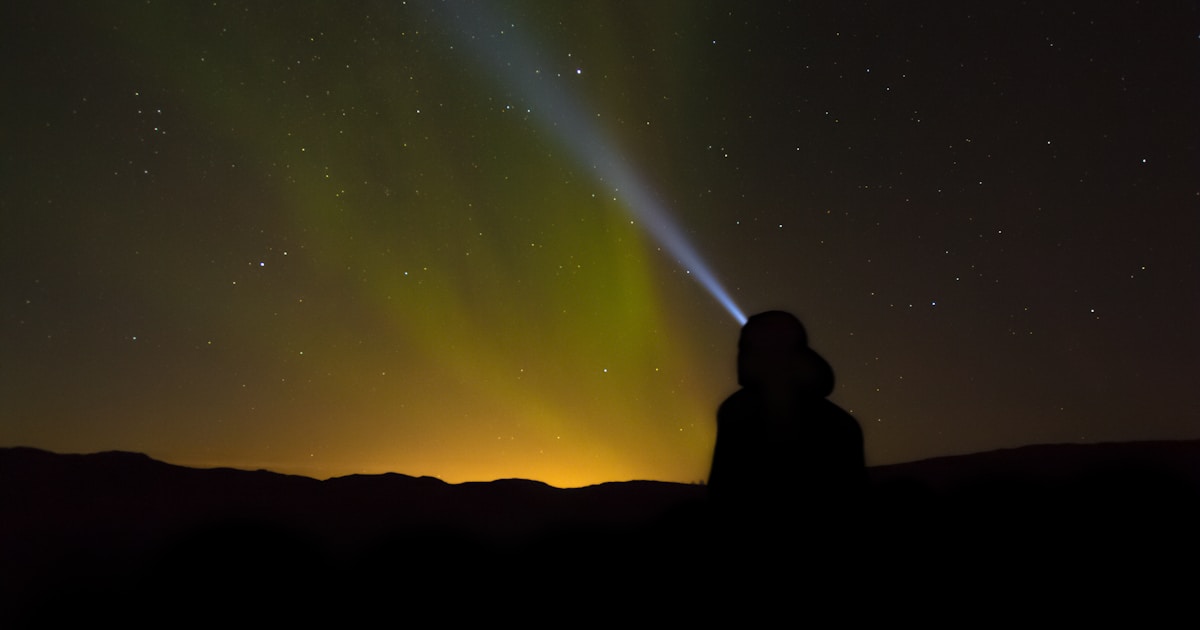
Aurora camping can mean very different things: a heated glass igloo near a road, an off-grid cabin with a wood stove, a lavvu or canvas camp run by a guide, or a real winter tent night where sleep is secondary to the experience. This guide helps you choose the right overnight style, not just the prettiest one in a photo.
Start With the Comfort Level, Not the Marketing Label
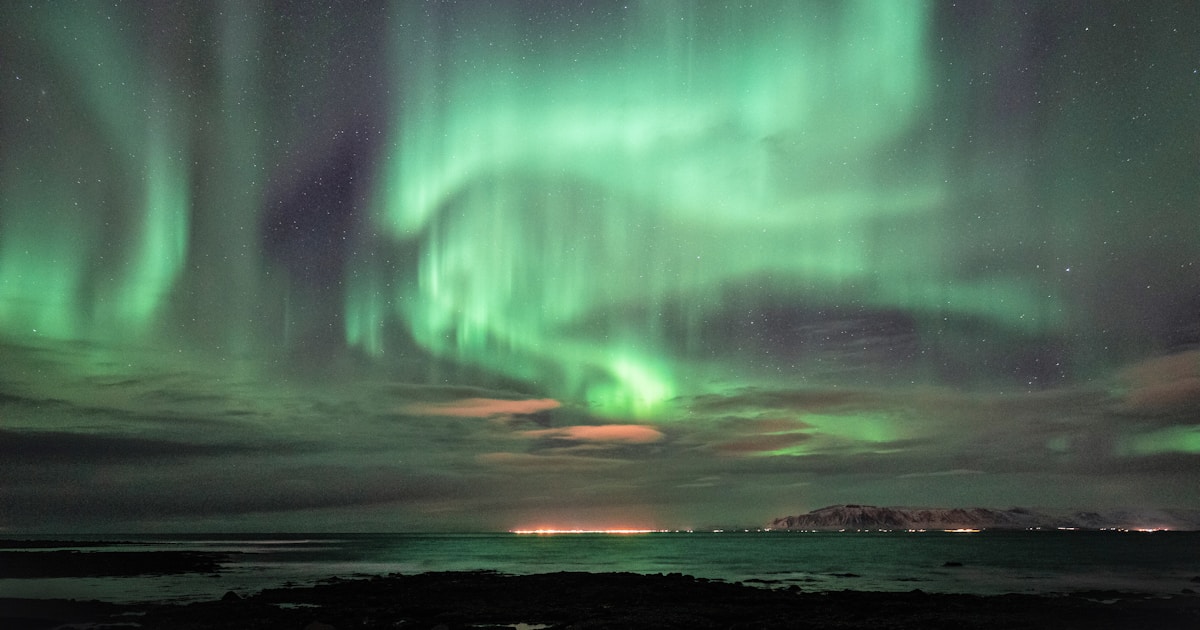
Many stays use words like camp, dome, wilderness lodge, and igloo interchangeably. The important question is what level of cold exposure, bathroom access, privacy, and midnight mobility you are actually buying.
| Style | What it usually means | Best for | Main drawback |
|---|---|---|---|
| Glass igloo or dome | Heated room with panoramic roof | First-timers, couples, comfort-led trips | Expensive, sometimes light-polluted or crowded |
| Cabin or chalet | Solid walls, better warmth, more space | Families, photographers, longer stays | Aurora view may require stepping outside |
| Hosted camp | Guide-run base with tents or lavvu | Activity-led travellers | Less privacy and more fixed schedule |
| Winter tent or bivvy | Real outdoor overnight | Experienced cold-weather travellers | Sleep, safety, and warmth become the project |
Who Aurora Camping Is Actually For
Aurora camping is strongest for travellers who value atmosphere, darkness, and the feeling of staying out in the landscape. It is weaker for anyone who wants guaranteed sleep quality, a packed day-tour schedule, or the cheapest possible aurora strategy.
For many people, a normal hotel plus one late-night aurora outing is the more practical choice. Camping-style stays are worth the premium when the accommodation is part of the experience, not just a place to wait for the sky.
How to Choose the Right Setup
Choose Glass Igloos for Convenience, Not for Best Value
Glass stays work well when you want comfort, private bathrooms, and a low-effort way to watch the sky. They are less compelling if the site has nearby light pollution, condensation issues, or a poor record for value compared with a normal cabin and organised aurora outings.
Choose Cabins for Better Overall Trips
Cabins often give the best balance of warmth, space, and realism. You can sleep properly, dry layers, cook or store gear, and step outside quickly when alerts arrive. For photographers and families, cabins are often a smarter choice than domes.
Choose Hosted Camps for Access Without Self-Reliance
A guide-run camp can be a good middle ground if you want darkness and an outdoor feel without handling stoves, route-finding, or winter safety yourself. The tradeoff is less independence.
Choose Real Winter Camping Only if the Camping Is the Goal
Cold-soaked tents, snow platforms, and stove routines can be brilliant for experienced travellers, but they are not automatically the best way to see aurora. If you mainly want northern lights, uncomfortable sleep can make the trip worse rather than better.
What Matters More Than the Accommodation Type
- Sky exposure: mountains, trees, and cabin placement can block the view.
- Light pollution: some "aurora" stays are closer to roads and neighbouring units than the photos suggest.
- Mobility: being able to move to a clearer patch of sky matters on mixed-weather nights.
- Heating and ventilation: overly warm glass units can fog up; poorly heated camps become miserable fast.
- Bathroom access: sounds minor until it is the middle of the night in minus 20C.
Costs and Value
Aurora camping often commands a premium because it packages scenery and emotion, not because it is always the most efficient way to see lights.
| Setup | Typical value pattern |
|---|---|
| Glass igloo | Highest price, strongest romance factor |
| Cabin | Often best value for space and warmth |
| Guided camp | Fair value when transfers, meals, and gear are included |
| True winter camping | Gear-heavy and skill-heavy, not necessarily cheap |
Packing and Night Routine
Even comfortable aurora stays involve repeated short exposures to intense cold. Keep boots loosened but ready, outerwear staged by the door, and phone, headlamp, and gloves in one place. If photography matters, pre-set the tripod and camera before bedtime rather than building the setup half asleep in the snow.
Safety and Realistic Expectations
Aurora camping does not solve cloud cover. It also does not guarantee that you will see the lights from bed. Even excellent stays may require stepping outside, waiting, and accepting that some nights are quiet.
Treat remote winter camps seriously. Confirm heating backup, staff presence, communication, and what happens in storms or road closures.
Best Traveller Matches
- Couples: glass domes, scenic cabins, or hosted boutique camps
- Families: warm cabins with easy parking and indoor space
- Photographers: dark cabins or camps with open horizons and less reflected light
- Adventure travellers: hosted winter camps or true tent-based experiences
Bottom Line
The best aurora camping setup is the one that matches your tolerance for cold, your sleep expectations, and how much independence you want at night. Choose a glass stay for comfort and occasion, a cabin for all-round value, a hosted camp for guided atmosphere, and true winter camping only when the overnight itself is part of the adventure.