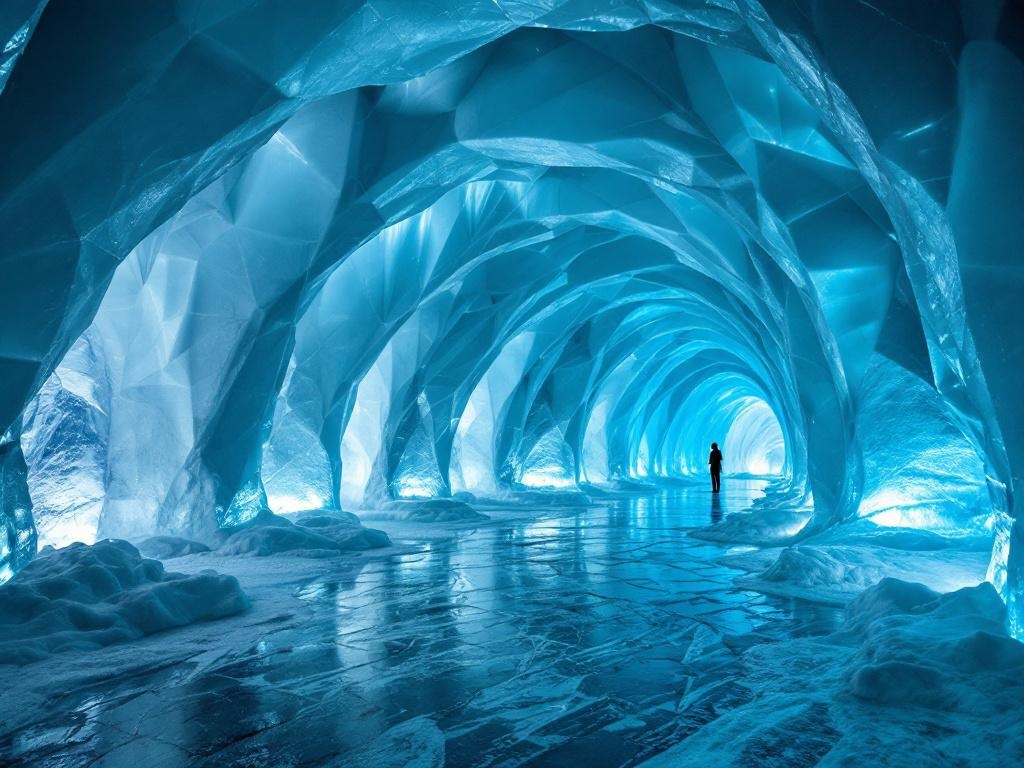
Ice Cave Exploration in Iceland: Complete Guide 2026
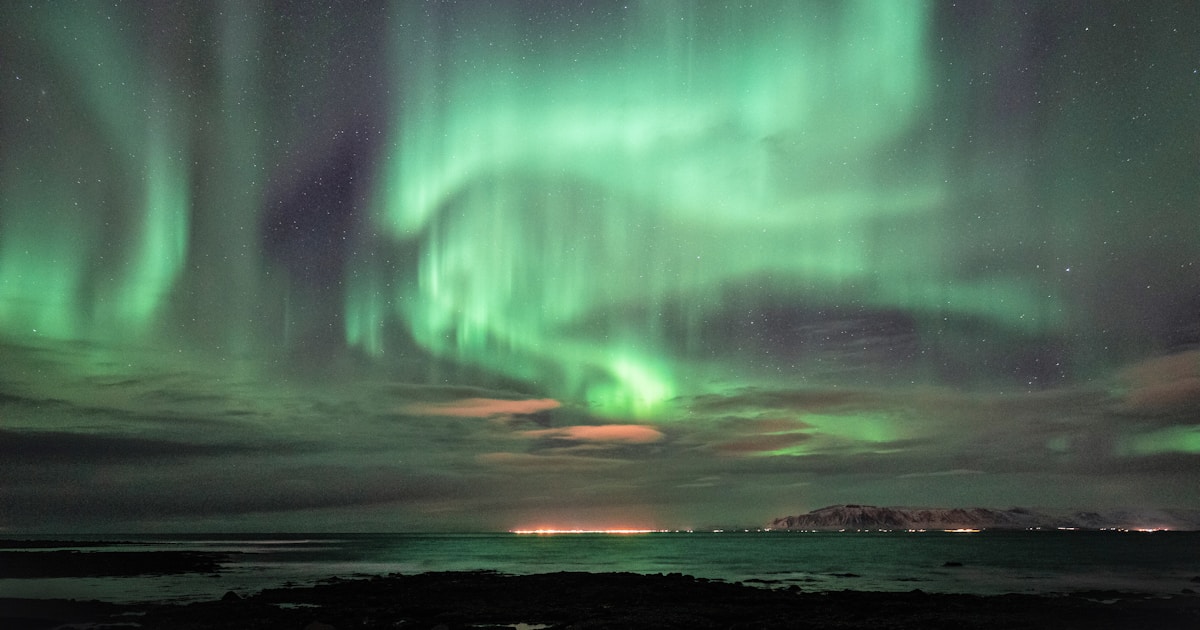
Ice caves are one of Iceland's most heavily marketed winter experiences, and for good reason. A good cave day can be visually extraordinary. But the term ice cave tour covers several different products, and that is where many travelers make poor booking decisions.
The best trip for you depends on whether you care most about blue-ice visuals, easy access, a day-trip from Reykjavik, or combining the tour with a wider south-coast itinerary.
The short answer
- Most classic blue ice cave trips are winter-only and often tied to the Vatnajökull region.
- Not every tour leaves from Reykjavik. Many of the strongest options work better if you stay farther east or are already driving the south coast.
- Conditions change every season, so exact cave access can never be treated as permanent.
- You should book based on region and logistics, not on a specific cave photo alone.
First, understand the two main trip types
1. Seasonal natural ice caves in southeast Iceland
These are the trips many visitors imagine when they picture luminous blue ice and a winter expedition feel. They are commonly linked to the Vatnajökull area and are usually the most sought-after option.Best for: travelers prioritizing the classic visual experience
Main tradeoff: longer travel times and stronger dependence on seasonal conditions
2. South-coast glacier cave style trips marketed from the Vik or Katla area
These can be easier to fit into broader south-coast travel plans and may be more practical for visitors not going all the way east.Best for: travelers who want a cave-themed glacier excursion without the longest transfer day
Main tradeoff: the experience can feel different from the vivid blue-cave imagery used in the most dramatic marketing
The distinction matters. Some travelers book a south-coast option expecting the exact look of the most photogenic blue caves farther east, then feel disappointed because they misunderstood the product.
Best time for ice cave tours in Iceland
The dependable season is usually winter, broadly from November into March, sometimes stretching slightly depending on conditions and operators.
Why winter matters:
- lower melt risk
- more stable frozen conditions
- greater chance that operators can safely access natural caves
But winter availability is never identical year to year. Ice caves are temporary natural features, and guides may change routes or cave selection when safety requires it.
Where to base yourself
Reykjavik
Best for: visitors who want a city base and plan to join a long organized day tour Reality check: the day can be very long if the cave area is far from the capitalReykjavik works if convenience is more important than minimizing road time. It is less ideal if you dislike marathon excursion days.
Vik and the south coast
Best for: travelers already doing a south-coast itinerary Reality check: access is easier for some cave products, but not all trips are the same type of cave experienceSoutheast Iceland / near Jokulsarlon-style routing
Best for: travelers prioritizing the flagship winter cave experience Reality check: better for a road trip or multi-stop itinerary than for a rushed capital-based day tripWhat tours usually include
Most tours provide helmets, crampons or microspikes, and guiding. Some include super jeep transport for the final approach. Fewer include all your warm layers or full door-to-door hotel convenience than travelers assume.
Always check:
- where the meeting point actually is
- whether transport from Reykjavik is included
- how much walking is involved
- whether boots must meet minimum standards
- whether the operator reserves the right to switch caves or cancel for safety
How physically demanding is it?
Many ice cave tours are accessible to reasonably mobile travelers, but "easy" does not mean effortless. You may still be walking on snow, ice, uneven ground, or windy glacier terrain.
If you want the least strenuous option, look for tours that explicitly describe short approach walks and beginner-friendly requirements. If you want more adventure, some operators combine cave visits with glacier walks or super jeep access.
Safety: the non-negotiable part
A real Iceland ice cave trip should always be guided. Natural caves change constantly, and conditions that look calm in a photo may be unsafe in person.
Treat these as positive signs, not negatives:
- guides changing or shortening the plan
- last-minute cave substitutions
- weather-related cancellations
- clear clothing and boot requirements
Those are usually indicators that the operator is taking the environment seriously.
Common booking mistakes
Booking only for the photo you saw online
Caves evolve, collapse, shift, and reform. Book the style of experience, not the assumption that you will stand in the identical cave from a specific image.Trying to do everything from Reykjavik in one rushed winter schedule
If an ice cave is a trip priority, consider sleeping farther along the south coast. It can make the experience feel much less like a bus marathon.Underdressing
Even if the walking is not technical, standing around on a cold, windy glacier access point can feel much colder than Reykjavik city weather.Ignoring cancellation flexibility
Because conditions matter, flexible booking terms can be worth a small premium.Typical costs
Costs vary with region, transport, and whether super jeep access is involved. In general:
- shorter local departures tend to cost less than full transport-inclusive day trips from Reykjavik
- small-group and premium vehicles cost more
- bundled glacier plus cave trips often sit above basic cave-only pricing
Who should choose which option?
Best for first-time visitors based in Reykjavik
A well-reviewed organized day trip, but only if you accept the long day and treat the cave as the main event.Best for photographers and scenery-focused travelers
Build it into a south-coast road trip or overnight stay rather than rushing out and back from the capital.Best for travelers wanting a lower-friction winter activity
A south-coast departure can be more practical than a far-eastern day trip if your itinerary is already centered around Vik.Frequently asked questions
Are ice cave tours in Iceland safe?
They can be, when run by professional guides who adapt plans to current conditions. Independent entry is not appropriate.What is the best month?
Midwinter is often the core season, but exact cave quality and access depend on the year's conditions.Can I do an ice cave tour from Reykjavik?
Yes, but some departures make for a very long day. That is manageable if it is a priority, less so if you are trying to pack too much else around it.Are all Iceland ice caves bright blue?
No. That is one of the most common misconceptions. Different cave systems and tour regions can look quite different.Also see our Iceland northern lights guide and ultimate ice cave guide.