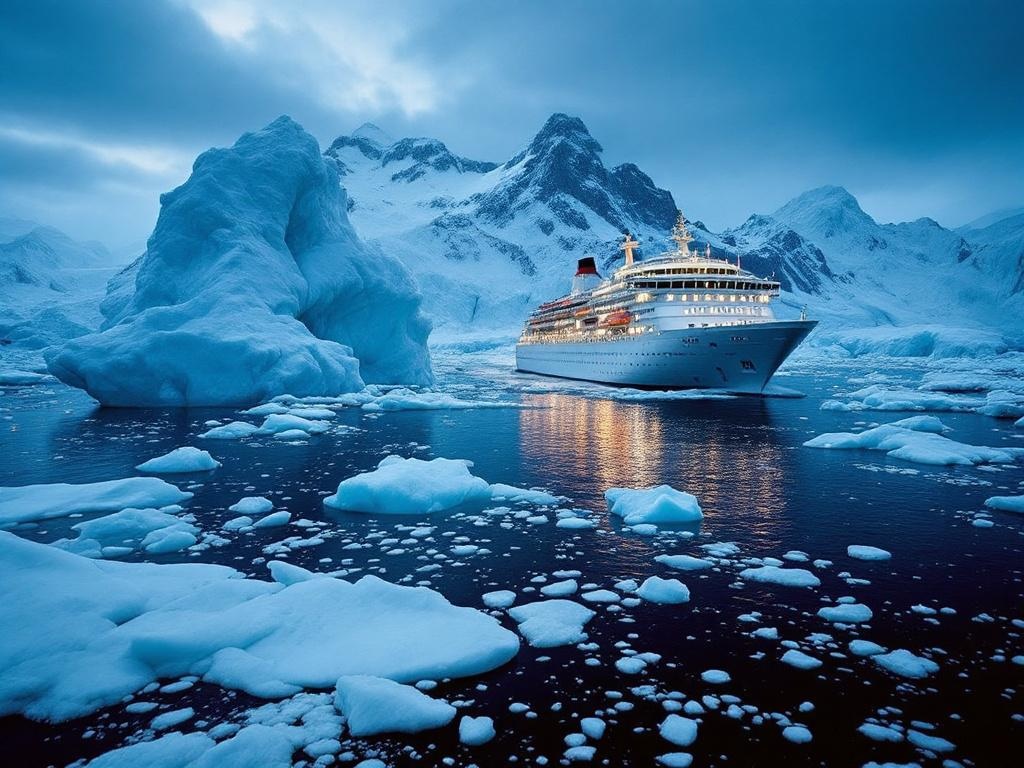
Best Time to Visit Antarctica: Month-by-Month Cruise Guide
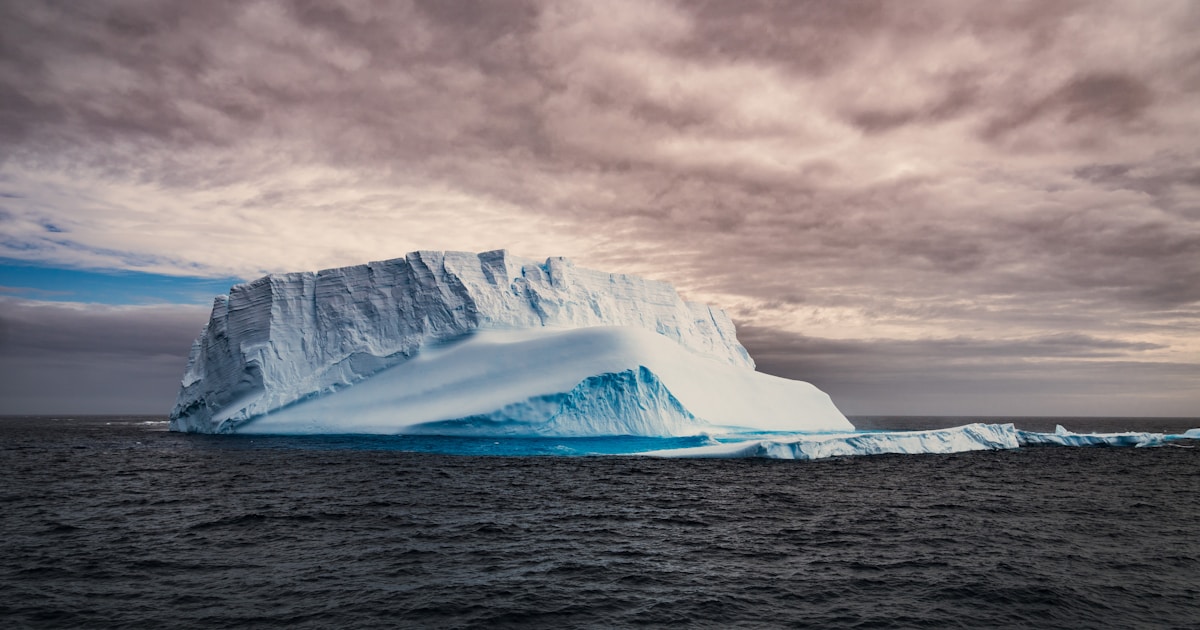
Quick answer: the best time to visit Antarctica for most first-time cruise travelers is December to February. January is the safest all-round pick for warmer weather, long daylight and active penguin colonies. February is usually better if whales are your priority. November is for pristine snow and early-season scenery. March can be good for late-season value and whales, but conditions are more variable and the season is ending.
Antarctica is not a year-round cruise destination. The practical tourist season is the austral summer, roughly late October or November through March, when sea ice, daylight and weather make expedition ship access possible. The right month depends on what you care about most: fresh snow, penguin chicks, whales, crossing the Antarctic Circle, budget, or the lowest-risk first trip.
Use this guide with the broader Antarctica cruise route guide and the Antarctica trip cost calculator. Season changes the experience, but ship size, route, cabin choice and included extras still change the real budget.
Antarctica Cruise Season at a Glance

| Month | Best for | Main tradeoff |
|---|---|---|
| Late October / November | Fresh snow, early-season ice, dramatic landscapes | Fewer departures; colder; some sites may be harder to reach |
| December | Long daylight, penguin nesting and chicks, classic first trips | Peak demand begins; cabins sell earlier |
| January | Warmest all-round month, broad landing options, active colonies | Often expensive and popular |
| February | Whales, older penguin chicks, stronger chance of deeper route options | Less pristine snow; some colonies look messier |
| March | Late-season whales, possible discounts, softer demand | End-of-season weather and itinerary risk feel higher |
Best Month by Travel Goal

| If you want... | Choose | Why |
|---|---|---|
| The easiest first Antarctica trip | January | It sits in the middle of the short season with relatively mild conditions and long daylight. |
| Penguin chicks | December to February | Timing varies by site and season, but this is the core chick-viewing window on many Peninsula routes. |
| Whales | February or March | Later summer usually brings more feeding whale activity around the Peninsula and nearby waters. |
| Snowy, untouched-looking landscapes | November | Early season often means cleaner snow and more ice, especially before heavy visitor traffic. |
| Lower headline fares | November or March | Shoulder departures can be cheaper, but check cabin, route and inclusions before comparing. |
| Antarctic Circle attempts | February or March | Later-season ice conditions can make deeper Peninsula routes more realistic, though never guaranteed. |
November: Best for Snow and Early-Season Drama
November is early expedition season. The landscapes can look at their cleanest, with fresh snow, dramatic ice and fewer signs of summer melt. Photographers often like this period because the continent can feel especially stark and untouched.
The tradeoff is access. Sea ice and weather still shape where ships can go, and the departure calendar is usually thinner than in the high season. November suits travelers who care more about scenery and expedition atmosphere than checking off every wildlife moment.
December: Best for Long Days and Classic First Trips
December is when Antarctica starts to feel like the classic summer expedition experience: very long daylight, busy penguin colonies and a wider range of departures. It is a strong month for first-time travelers who want a balanced trip rather than a specialist wildlife target.
It is also when demand increases. If you need a specific cabin type, fly-cruise option, family-friendly date or holiday departure, December is not the month to leave until the last minute.
January: Best All-Round Antarctica Month
January is the simplest recommendation for most first-time travelers. Weather is still Antarctic and unpredictable, but it is usually one of the more forgiving months for daylight, temperature and landing operations. Penguin colonies are active, zodiac cruising is a major part of many itineraries, and operators have a full season rhythm underway.
The downside is price and availability. January often carries peak-season demand, so the best value is not always the cheapest advertised fare. Compare what is included, how many expedition days you actually get, and whether the ship size supports the style of landing-based trip you expect.
February: Best for Whales and Deeper Route Ambition
February is often the best month if whales are the deciding factor. It is also a good time to look at longer routes, Antarctic Circle attempts, South Georgia extensions and trips where wildlife matters more than pristine snow. Penguin chicks are older, colonies can be noisy and messy, and the scenery feels more late-summer than untouched.
For many travelers, that is a good trade. February can deliver a richer wildlife feel while still sitting inside the core expedition window. If seasickness is a major concern, remember that the Drake Passage can be calm or rough in any month; do not choose February because someone implied the crossing is predictably easy.
March: Best for Late-Season Value and Whales
March is the end of the main Antarctica cruise season. It can be excellent for whale activity and may produce better availability or pricing than the Christmas/New Year peak. It is also a month where you should read itineraries carefully: fewer departures, changing weather and end-of-season logistics make buffers more important.
March works best for flexible travelers who are comfortable with expedition uncertainty. If this is your once-in-a-lifetime trip and you want the broadest first-time safety margin, January or February may feel easier.
Ship Size Matters More Than Month for Landings
Month choice does not fix the wrong ship. IAATO groups Antarctic vessels by passenger category: traditional expedition ships carrying 13–200 passengers make landings, mid-size 201–500 passenger vessels can make landings, and 501+ passenger cruise-only ships do not make landings. IAATO's vessel directory also separates cruise-only ships from landing-capable expedition vessels.
That matters because Antarctic visitor management normally limits how many people can be ashore at once. A smaller expedition ship can often rotate guests through landings more simply than a larger landing-capable vessel, while a 500+ passenger cruise is mostly a scenic sailing rather than a step-ashore expedition.
If your goal is to land on the Antarctic Peninsula, zodiac cruise among ice and visit wildlife sites, compare landing-capable expedition ships first. Then choose the month.
When Should You Book an Antarctica Cruise?
For December, January and popular fly-cruise departures, start looking 12–18 months ahead if you need a specific cabin, route or date. For more flexible travelers, shoulder-season cabins and last-minute deals can appear, but they are not a safe plan for peak weeks, solo cabins, family cabins or South Georgia extensions.
The right booking question is not only “how early?” Ask:
- How many full expedition days are actually in Antarctica?
- Is this a landing-capable ship or a cruise-only sailing?
- Are pre/post hotels, charter flights, park fees, boots, parkas, kayaking, tips and insurance included?
- What happens if weather disrupts a fly-cruise across the Drake?
- Does the itinerary match your month-specific goal, such as whales, chicks or snowy landscapes?
Sources and Freshness
This page was updated in August 2026. Season and wildlife timing are planning patterns, not guarantees: Antarctic weather, sea ice, site rules and operator decisions can change the actual itinerary. For source context, check IAATO's vessel categories and directory, IAATO's overview of Antarctic vessel tourism, and the British Antarctic Survey's public background on Antarctica and the Southern Ocean.
Bottom Line
Choose January for the lowest-friction first Antarctica cruise, February for whales, November for fresh snow and early-season atmosphere, and March only if late-season value or whales matter more than a broad first-time safety margin. After that, compare route and ship size: a good month on the wrong ship is still the wrong trip.