3 Days in Svalbard: Polar Exploration Itinerary
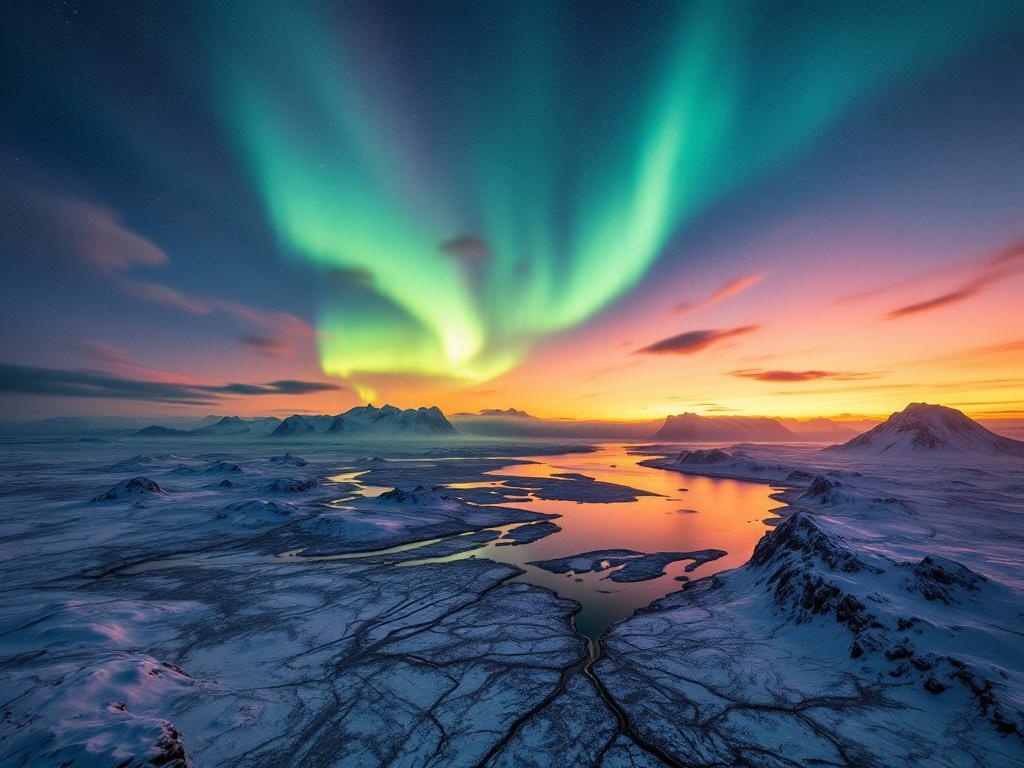
Svalbard is the ultimate Arctic destination. At 78°N, this Norwegian archipelago is the highest-latitude inhabited place on Earth accessible by commercial flights, sitting in the core of the geomagnetic auroral zone. With a perfect aurora score of 10/10, polar bears outnumbering people, and 24-hour polar night from mid-November to late January, Svalbard delivers an Arctic experience that exists nowhere else.
Best months: October through March for aurora, with November through January for the polar night (24-hour darkness). Note: many outdoor activities are only available when there's enough twilight (February onwards).
What makes it special: This isn't just an aurora trip — it's one of the great Arctic wilderness experiences on Earth. Polar bear sightings, calving glaciers, snowmobile expeditions across frozen tundra, and aurora of an intensity that makes mainland displays look modest. Svalbard is for bucket-list adventurers.
Day 1: Arrival in the High Arctic

Afternoon: Arrive in Longyearbyen
Fly into Svalbard Airport (LYR) — direct from Oslo (3 hours) or Tromsø (1.5 hours). The approach over glaciers and frozen fjords is jaw-dropping.
Longyearbyen (population ~2,400) is the world's northernmost settlement with an airport. Despite its remote location, it punches well above its weight:
- Excellent restaurants and bars
- Good hotels
- Well-stocked outdoor shops
- A surprising cultural scene
Drop bags at your hotel and explore on foot. Visit the Svalbard Museum for an excellent overview of the archipelago's history — from whaling and coal mining to polar exploration and climate science. The polar bear and Arctic wildlife exhibits are world-class.
Important: You cannot leave Longyearbyen's boundaries without a rifle (polar bear protection). All out-of-town activities require a licensed armed guide.
Evening: Aurora in the Polar Night
During polar night (Nov–Jan), Svalbard has 24 hours of darkness — meaning the aurora can appear at any time, even at lunch. Step outside your hotel and look up. At 78°N, you're in the core of the auroral oval, and even modest geomagnetic activity (KP 2–3) produces spectacular overhead displays that would require KP 5+ further south.
Join a guided aurora walk from Longyearbyen — guides lead small groups to viewpoints outside the settlement with rifles for polar bear safety. The silence, the darkness, and the intensity of the aurora at this latitude are indescribable.
Day 2: Polar Wilderness Day

Full Day: Snowmobile Expedition to a Glacier
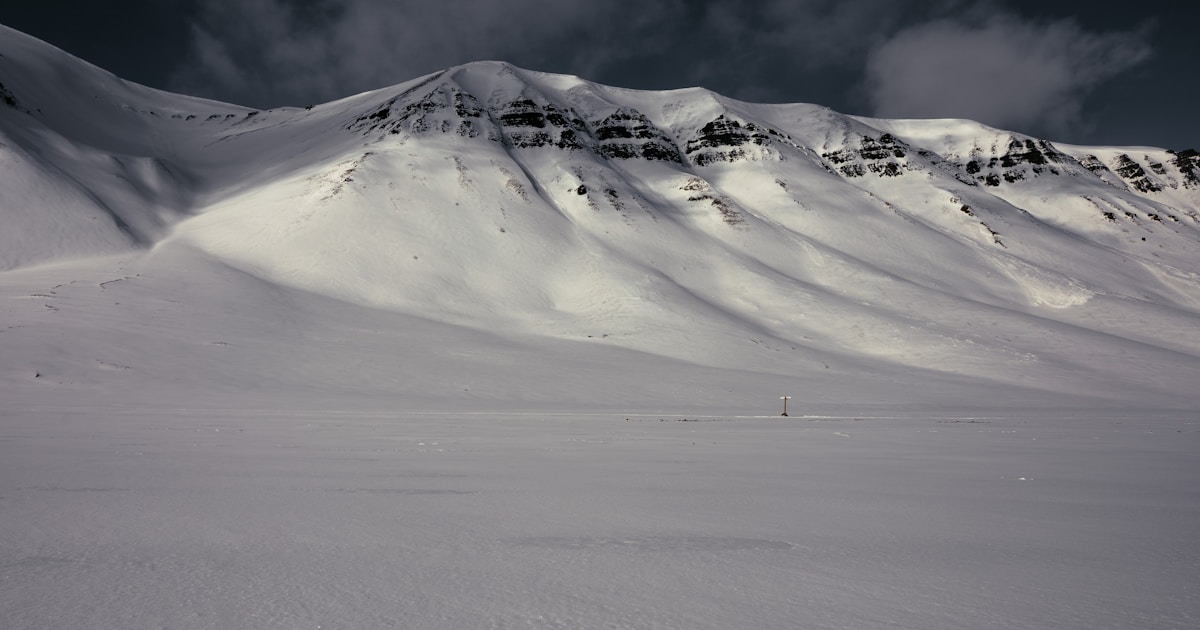
The defining Svalbard experience. Book a full-day snowmobile expedition to one of the accessible glaciers — typically Tempelfjorden or the east coast glaciers. You'll ride for 4–8 hours across frozen tundra, through mountain valleys, and along frozen fjords.
Highlights:
- Vast white landscapes stretching to the horizon in every direction
- Possible polar bear tracks in the snow (sightings are less common in winter but happen)
- Glacier viewpoints — massive ice walls meeting the frozen sea
- Svalbard reindeer grazing through the snow
- Lunch stop in a heated trapper's cabin with hot soup and coffee
Cost: NOK 3,500–5,500 (~£260–410) per person including guide, snowmobile, fuel, and lunch.
Important: Temperatures of -15 to -25°C combined with wind chill from snowmobile speed make this extremely cold. Operators provide full thermal suits, but bring your warmest base layers.
Evening: Fine Dining & Aurora
Longyearbyen's restaurant scene is remarkable for a town of 2,400 people. Huset (rated among Norway's best restaurants) and Gruvelageret serve refined Arctic cuisine — reindeer, ptarmigan, Arctic char, and king crab. A memorable dinner after a day in the wilderness.
Afterwards, the aurora may be waiting outside. During polar night, simply step out of the restaurant and look up — no tour needed, no driving required.
Day 3: Final Polar Experiences & Departure
Morning: Dog Sledding or Ice Cave Exploration
Dog sledding (3–4 hours): Mush a team of Greenland dogs across the frozen Adventdalen valley. The dogs are powerful working animals — this feels like genuine polar exploration. Guide with rifle accompanies at all times.
Cost: NOK 2,500–3,500 (~£185–260) per person.
Alternative: Ice cave exploration — guided trips into natural ice caves formed within glaciers near Longyearbyen. Otherworldly blue ice formations lit by headlamp. (NOK 1,800–2,800 / ~£135–210)
Late Morning: Longyearbyen Essentials
Before departing, visit:
- Svalbard Brewery — the world's northernmost brewery. Tours and tastings available.
- Fruene café — excellent coffee and Svalbard's best cinnamon buns
- The Seed Vault viewpoint — you can't enter the Global Seed Vault, but the exterior is visible and makes for a powerful photo
- Buy souvenirs: polar bear postcards (mandatory), Svalbard-branded chocolate, and local art
Afternoon: Departure
Fly back to Oslo or Tromsø. As you ascend over the glaciers, look out the window — few places on Earth look like this.
Budget Breakdown
| Category | Budget | Mid-Range | Luxury |
|---|---|---|---|
| Accommodation | £80–120/night (guesthouse) | £150–250/night (hotel) | £300–600/night (premium hotel) |
| Food | £40–60/day | £80–120/day | £150–250/day |
| Activities | £135–210/tour | £260–410/tour | £400–700/private expedition |
| Transport | £10–20/day | £20–40/day | £60+/day |
| Daily Total | £265–410 | £510–820 | £910–1,550 |
Where to Stay
Budget: Gjestehuset 102
A welcoming guesthouse in Longyearbyen. Simple, clean, shared kitchen. From NOK 1,100 (~£82)/night.Mid-Range: Basecamp Explorer Hotel
Coal-era industrial design meets Arctic luxury. Central location with expedition booking desk. From NOK 2,200 (~£165)/night.Luxury: Funken Lodge
Longyearbyen's finest hotel, built into the hillside with stunning views. Wine cellar, excellent restaurant. From NOK 3,800 (~£285)/night.Getting There
- By air: SAS and Norwegian from Oslo (3h direct). SAS from Tromsø (1.5h). Book well ahead — flights are limited.
- No road connections — Svalbard is only accessible by air (or expedition cruise in summer).
- In Longyearbyen: Everything is walkable. Taxis available for hotel-airport transfers.
What to Pack
- Full Arctic cold-weather system (layered: merino base → fleece/down mid → windproof shell)
- Insulated boots rated to -30°C minimum
- Balaclava, ski goggles, and heavy mittens
- Thermal hand/toe warmers (essential for snowmobile days)
- Camera with Arctic-rated battery performance
- Sunglasses (when the sun returns in February, the snow glare is intense)
- Small daypack for tours
- All activity operators provide outer thermal suits — but your base layers matter enormously
FAQ
Will I see polar bears?
Polar bear sightings in winter around Longyearbyen are uncommon — bears are more active in spring and summer. Snowmobile expeditions to remote areas increase your chances. Tracks in the snow are more frequent than actual sightings. For guaranteed polar bear experiences, consider a summer expedition cruise.Is Svalbard safe?
Yes, with precautions. The main risk is polar bears — never leave Longyearbyen without a rifle and trained guide. Tour operators handle this. The cold is also a serious hazard — dress properly. Crime is essentially nonexistent.How dark is polar night?
During true polar night (mid-Nov to late Jan), there is no direct sunlight. However, there's often a beautiful twilight glow around midday (blue hour) for 2–4 hours. From February, daylight returns rapidly.Is Svalbard worth the cost?
If you want the most intense aurora experience combined with genuine polar wilderness, yes — emphatically. Svalbard is a once-in-a-lifetime destination. If you're primarily interested in seeing the northern lights efficiently, Tromsø or Abisko are more practical and affordable.Do I need a visa for Svalbard?
Svalbard has a unique legal status — under the Svalbard Treaty, it's open to citizens of all signatory nations without a visa. However, you typically transit through mainland Norway (Oslo or Tromsø), which requires a Schengen visa for some nationalities.Explore the full Svalbard destination guide for more activities and planning tips.