3 Days in Reykjavik: Northern Lights & Golden Circle
Reykjavik is the world's northernmost capital and Iceland's gateway to the Arctic. At 64°N with an aurora score of 7/10, it combines the northern lights with Iceland's uniquely volcanic landscapes — geysers, glaciers, lava fields, and geothermal pools all within day-trip distance. Direct transatlantic flights from New York take just 5 hours, making it the most accessible aurora destination from North America.
Best months: October through March, with December through February offering the most darkness.
What makes it special: No other aurora destination lets you combine the northern lights with erupting geysers, glacier hiking, tectonic plate walks, and world-famous geothermal pools — all within 2 hours of a cosmopolitan capital.
Day 1: Arrival & Reykjavik City

Morning/Afternoon: Explore the Capital
Fly into Keflavík International Airport (KEF), 50km from the city. The Flybus or airport shuttle takes 45 minutes to Reykjavik.
Explore the compact city centre on foot:
- Hallgrímskirkja — the iconic church with its columnar basalt-inspired facade. Take the elevator to the top for panoramic city views.
- Harpa Concert Hall — the stunning glass waterfront building designed by Ólafur Elíasson
- Laugavegur — the main shopping street with Icelandic wool shops, bookstores, and cafés
- Sun Voyager sculpture on the waterfront — a classic photo spot
For lunch, grab a pylsur (Icelandic hot dog) at Bæjarins Beztu or try lamb soup at Svarta Kaffið (served in a bread bowl).
Late Afternoon: Perlan Museum
Visit Perlan (The Pearl), a museum and observation deck housed in former hot water storage tanks above the city. The exhibits on Icelandic nature — including an indoor ice cave and planetarium show about the aurora — are excellent preparation for the days ahead.
Evening: Northern Lights from the City
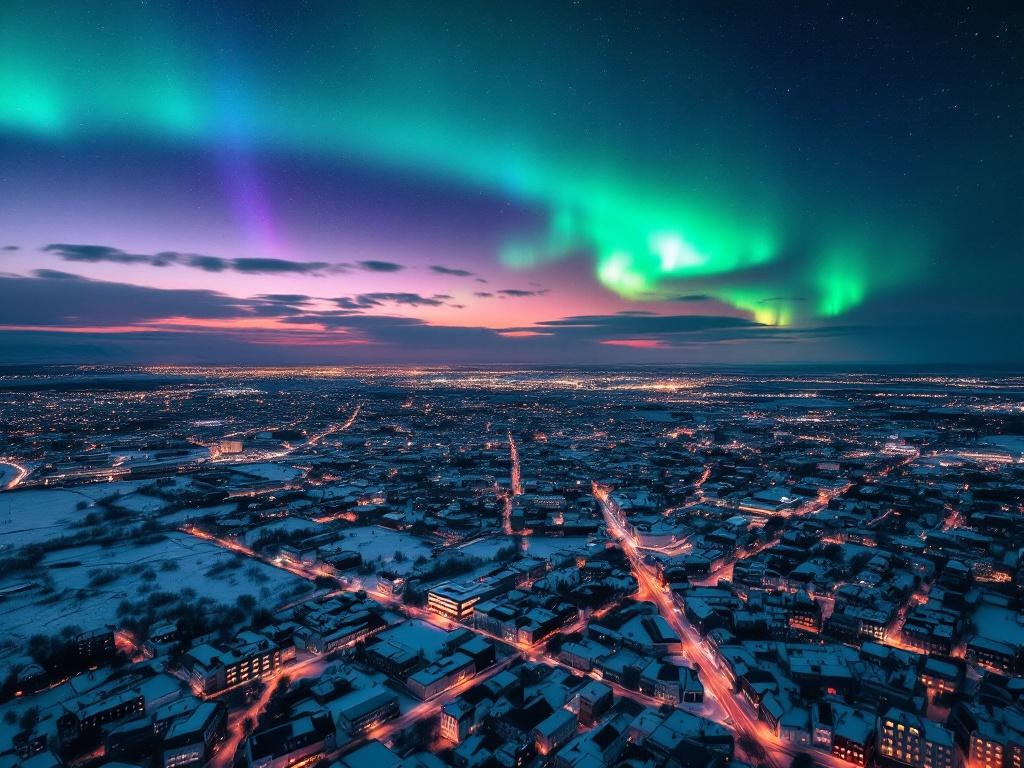
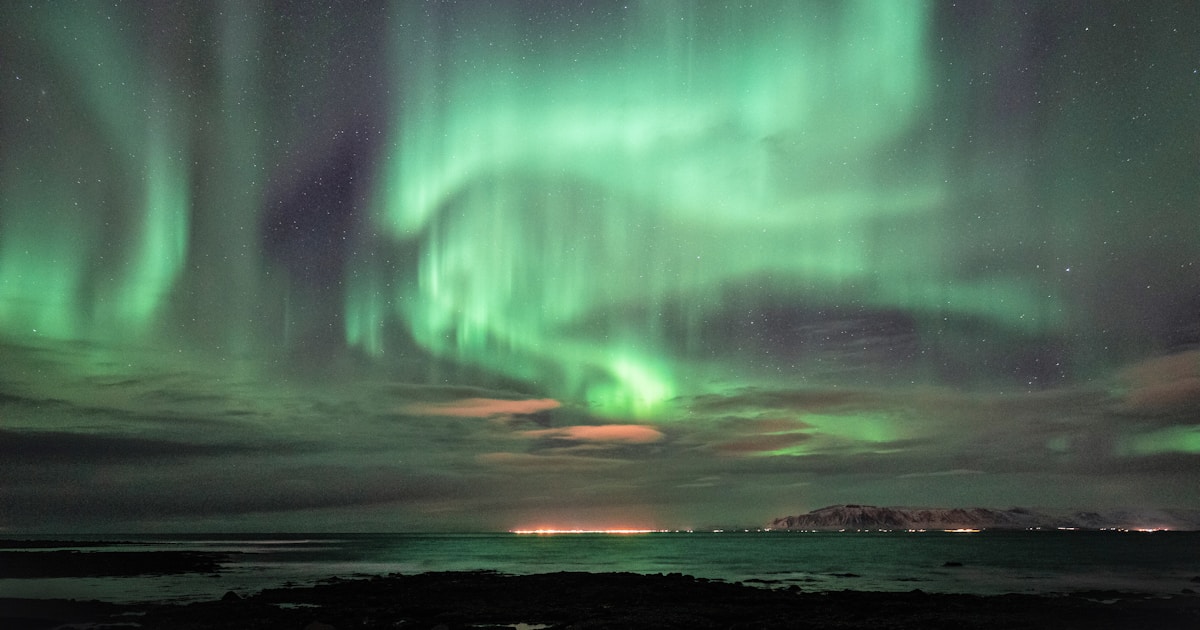
Reykjavik is one of the few cities that actively helps residents see the aurora — street lights are dimmed in certain districts on good aurora nights. Head to Grótta lighthouse on the Seltjarnarnes peninsula (15 minutes from the centre) for dark skies over the ocean, or join a northern lights boat tour from the old harbour for aurora viewing from the water.
Day 2: The Golden Circle

Full Day: Iceland's Classic Route
Rent a car or join a guided tour for the Golden Circle — Iceland's most famous day trip. The 300km loop covers three iconic sites:
Þingvellir National Park — Walk between the North American and Eurasian tectonic plates at this UNESCO World Heritage Site. The rift valley, lake, and historical significance (site of the world's oldest parliament, founded 930 AD) make this unmissable. In winter, the snow-covered landscape is particularly dramatic.
Geysir Geothermal Area — Watch Strokkur erupt every 5–10 minutes, shooting boiling water 15–30m into the air. The surrounding geothermal field has bubbling mud pots and steaming vents.
Gullfoss — The "Golden Falls" is one of Europe's most powerful waterfalls. In winter, the partially frozen falls are spectacular, with ice formations and mist creating rainbow-like effects.
Optional add-on: Friðheimar tomato farm for lunch — a greenhouse restaurant that grows tomatoes using geothermal heating. Excellent tomato soup and fresh bread.
Evening: Aurora Chase from the Countryside
If you've rented a car, drive to a dark spot outside Reykjavik for aurora hunting on the way back. Þingvellir itself is an excellent aurora viewpoint with zero light pollution. Alternatively, the road along Snæfellsnes Peninsula offers dramatic coastal aurora views.
If on a guided tour, many Golden Circle tours offer a northern lights extension in the evening.
Day 3: Geothermal Experiences & Departure
Morning: Blue Lagoon or Sky Lagoon
Choose your geothermal experience:
Blue Lagoon (45 min from Reykjavik, on the way to Keflavík Airport): The world's most famous geothermal spa. Milky blue water at 38–40°C surrounded by black lava fields. Book months in advance — it sells out. From €65.
Sky Lagoon (15 min from Reykjavik): A newer, less touristy alternative with an infinity edge overlooking the ocean. The 7-step spa ritual is outstanding. From €55.
Tip: If flying out today, visit Blue Lagoon on the way to the airport. Leave bags in the luggage storage.
Late Morning: Final Reykjavik Experiences
If time allows before departure:
- Browse the Kolaportið flea market (weekends) for vintage Icelandic wool and dried fish
- Visit the Icelandic Phallological Museum (yes, really — it's famous)
- Grab a final meal at Grillið or Dill (Iceland's only Michelin-starred restaurant — book ahead)
Afternoon: Departure
Head to Keflavík Airport. The Flybus runs frequently and takes 45 minutes.
Budget Breakdown
| Category | Budget | Mid-Range | Luxury |
|---|---|---|---|
| Accommodation | £60–90/night (hostel/guesthouse) | £140–220/night (hotel) | £300–600/night (boutique hotel) |
| Food | £30–50/day | £70–100/day | £150–250/day |
| Activities | £50–80/tour | £100–200/tour | £300–500/private tour |
| Transport | £15–25/day (bus) | £60–90/day (car rental) | £120+/day |
| Daily Total | £155–245 | £370–610 | £870–1,350 |
Where to Stay
Budget: Kex Hostel
A beloved Reykjavik institution in a converted biscuit factory. Great bar and social scene. From £45/night.Mid-Range: CenterHotel Miðgarður
Central location near Hallgrímskirkja with Nordic design. From £160/night.Luxury: The Retreat at Blue Lagoon
Built into the lava landscape with private lagoon access. One of Iceland's most exclusive hotels. From £500/night.Getting There
- By air: Direct from New York (5h), London (3h), most European capitals. Airlines: Icelandair, PLAY, transatlantic carriers.
- Airport transfer: Flybus (45 min, €25 one-way) or taxi (45 min, €120).
- Rental car: Highly recommended for flexibility. 4WD not necessary for Golden Circle in winter but useful for rural roads.
What to Pack
- Waterproof outer layers (Iceland is wet and windy more than cold)
- Warm insulated jacket
- Sturdy waterproof hiking boots with good grip
- Wind-resistant hat and gloves
- Swimsuit (for geothermal pools — you'll use it!)
- Layers — weather changes rapidly; dress in removable layers
- Camera + tripod for aurora photography
- Reusable water bottle (Reykjavik tap water is excellent)
FAQ
Can you see the northern lights from Reykjavik city?
Yes, on clear nights with strong aurora activity. Grótta lighthouse and Öskjuhlíð hill are popular city viewpoints. For the best displays, drive 20–30 minutes outside the city.Is the Golden Circle worth it in winter?
Absolutely. The snow-covered landscapes, partially frozen Gullfoss, and low winter light create a completely different atmosphere from summer. Roads are well-maintained but drive cautiously.Blue Lagoon or Sky Lagoon?
Blue Lagoon is the iconic experience but expensive and crowded. Sky Lagoon is newer, more relaxing, and closer to Reykjavik. Both are excellent. Blue Lagoon is convenient if visiting on your airport transfer day.Is 3 days enough for Reykjavik?
Three days covers the city, Golden Circle, and geothermal pools well. To add glacier hiking, ice caves, or the South Coast, plan 5–7 days.How does Iceland compare to Norway for northern lights?
Iceland scores 7/10 for aurora (vs 9/10 for Tromsø). The trade-off is Iceland's unique volcanic landscapes — aurora over geysers and lava fields is an experience you can't get anywhere else. Weather is less predictable than northern Norway.Explore the full Reykjavik destination guide for more activities and planning tips.