Northern Lights in Canada: Complete Guide 2026
Canada's vast northern wilderness offers some of the most reliable aurora viewing on Earth. Yellowknife in the Northwest Territories combines an inland climate, dark skies and established multi-night viewing camps. With 6 northern lights destinations spanning from the Rockies to the Arctic, Canada provides options for every type of aurora chaser.
The Canadian advantage is clear skies. The interior continental climate — far from ocean moisture — produces reliably clear, cold winter nights. Yellowknife sits directly under the auroral oval and benefits from flat terrain that provides unobstructed views in all directions. Combined with Canada's incredible wildlife (polar bears, caribou, wolves), indigenous cultural experiences, and vast wilderness, it's a world-class aurora destination.
Why Canada for Northern Lights?
The Aurora Oval Sweet Spot
Yellowknife (62.5°N) sits almost exactly under the northern auroral oval — the ring of maximum aurora activity. This means the aurora appears directly overhead rather than on the northern horizon, resulting in more dramatic, all-sky displays. On active nights, the aurora covers the entire sky from horizon to horizon.
Clear Sky Reliability
Canada's continental interior climate is remarkably dry in winter. Yellowknife averages less than 15cm of snow in January and enjoys crisp, clear skies far more often than coastal destinations. This is a decisive advantage over Iceland, coastal Norway, and Scotland.
The Cold Factor
Canadian aurora destinations are genuinely cold. Yellowknife averages -27°C in January. Whitehorse averages -18°C. This cold is actually beneficial for aurora viewing — cold air holds less moisture, meaning clearer skies and less atmospheric distortion.
Wildlife
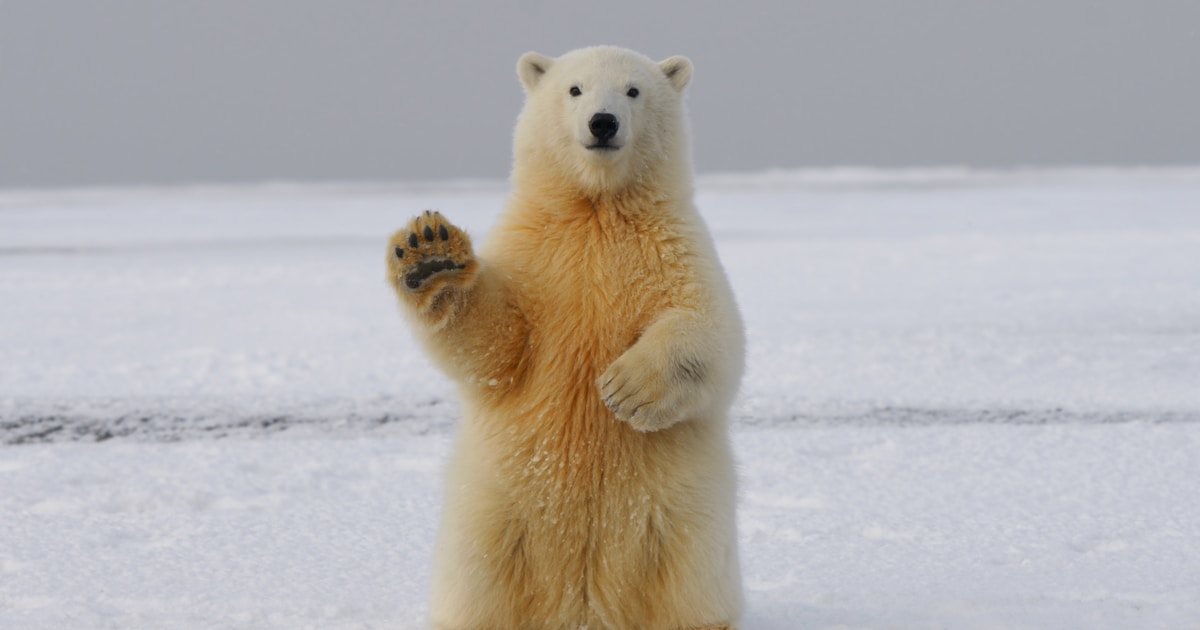
Canada offers aurora combined with world-class wildlife experiences. Churchill (aurora score: 8/10) is the "Polar Bear Capital of the World" — polar bears, beluga whales, and the northern lights in one destination.
Canada's 6 Northern Lights Destinations
Yellowknife — Canada's Aurora Capital (Aurora Score: 9/10)
Yellowknife is the undisputed northern lights capital of Canada and one of the top aurora destinations in the world. The capital of the Northwest Territories sits on the shore of Great Slave Lake at 62.5°N.
Weather: January averages -27°C with 18 hours of darkness. February -24°C with 14 dark hours. This is serious cold — the coldest major aurora destination outside Russia.
Activities: Northern lights tours, aurora viewing camps (heated teepees on the frozen lake), ice road driving (the famous ice roads from the TV show), snowmobile safaris, dog sledding, ice fishing, indigenous cultural experiences (Dene and Métis), aurora photography, snowshoeing, and cross-country skiing.
Best months: December through March. January and February for maximum darkness and cold clarity.
Why choose Yellowknife: strong aurora infrastructure and dark inland skies. The flat terrain around Great Slave Lake provides 360° unobstructed views. Aurora viewing camps on the frozen lake are a uniquely Canadian experience. The aurora here regularly fills the entire sky.
Budget note: Yellowknife is remote — flights from southern Canada are expensive, and accommodation is pricier than you'd expect for a small city. Budget CAD 250–400/day minimum.
Churchill — Polar Bears and Aurora (Aurora Score: 8/10)
Churchill sits on the western shore of Hudson Bay at 58.7°N. Famous worldwide as the "Polar Bear Capital of the World," it's also an excellent aurora destination.
Weather: January averages around -26°C with 16 hours of darkness. Wind chill from Hudson Bay can be extreme.
Activities: Northern lights tours, polar bear viewing (October–November), beluga whale watching (July–August), dog sledding, snowmobile safaris, indigenous cultural experiences, aurora photography, and the Prince of Wales Fort National Historic Site.
Best months: November through March for aurora. October–November for polar bears + aurora.
Why choose Churchill: The only destination where you can combine polar bear viewing with northern lights. October–November offers a brief window where both coincide. Churchill is only accessible by air or train (no road access), adding to its remote appeal.
Whitehorse — Yukon Gateway (Aurora Score: 8/10)
Whitehorse is the capital of the Yukon Territory and the main base for aurora viewing in western Canada.
Weather: January averages -18°C with 17 hours of darkness. Drier and slightly milder than Yellowknife.
Activities: Northern lights tours, dog sledding, hot springs (Takhini Hot Springs — soaking in hot springs while watching the aurora), snowmobile safaris, indigenous cultural experiences, cross-country skiing, and wildlife watching.
Best months: December through March.
Why choose Whitehorse: More accessible than Yellowknife (direct flights from Vancouver). The hot springs aurora experience is unique. Good base for exploring the Yukon wilderness.
Dawson City — Gold Rush Aurora (Aurora Score: 8/10)
Dawson City is a historic Gold Rush town in the northern Yukon at 64°N.
Best months: September through March.
Why choose Dawson City: Gold Rush heritage, remote wilderness setting, excellent dark skies, and the quirky Sourtoe Cocktail Club (where you drink a shot with a preserved human toe in it — yes, really).
Iqaluit — Arctic Capital (Aurora Score: 8/10)
Iqaluit is the capital of Nunavut, Canada's newest and largest territory. At 63.7°N on Baffin Island, it's a genuinely Arctic city.
Best months: October through March.
Why choose Iqaluit: Authentic Inuit culture, genuine Arctic urban life, and excellent aurora viewing. Very few tourists.
Banff — Mountain Aurora (Aurora Score: 4/10)
Banff in the Canadian Rockies occasionally sees aurora during strong geomagnetic storms.
Best months: November through March.
Why choose Banff: If you're already visiting the Rockies and get lucky with a strong storm, aurora over the mountains is spectacular. But don't plan a trip to Banff specifically for aurora — the probability is too low.
When to Go
December–January: Maximum darkness and cold. Best clear-sky conditions. Peak aurora probability. Extreme cold requires serious preparation.
February: Excellent aurora month. Slightly improving temperatures. Good balance of darkness and daytime for other activities.
March: Spring equinox aurora boost. Temperatures improving significantly. Last reliable month. Longer days for photography and activities.
September–October: Early season. Good aurora in the far north (Dawson City). Autumn colours. Milder temperatures. Churchill polar bear season (October).
Costs
Canada is moderately expensive for aurora tourism. Remote destinations like Yellowknife and Churchill have premium pricing due to logistics.
Budget (CAD 200–300/day)
- Budget hotels/hostels: CAD 80–150/night
- Self-catering: CAD 30–50/day
- Aurora tour: CAD 80–150/night
Mid-Range (CAD 350–550/day)
- Hotels: CAD 150–250/night
- Restaurants: CAD 50–80/day
- Activities (dog sledding, snowmobile): CAD 150–300/activity
Luxury (CAD 600+/day)
- Premium lodges: CAD 300–600/night
- Private aurora tours: CAD 400–800
- Helicopter experiences: CAD 500+
Flights
- Toronto to Yellowknife: CAD 500–1,000 return
- Vancouver to Whitehorse: CAD 300–600 return
- Winnipeg to Churchill: CAD 400–800 return (or 2-day train journey)
Practical Tips
Extreme Cold Preparation
Canadian aurora destinations are the coldest in this guide. At -27°C (Yellowknife January average):- Exposed skin can get frostbite in 10–15 minutes
- Camera batteries die in minutes — keep spares in inner pockets
- Touch metal with bare hands and your skin will stick
- Breathe through a balaclava to warm the air
Aurora Viewing Camps
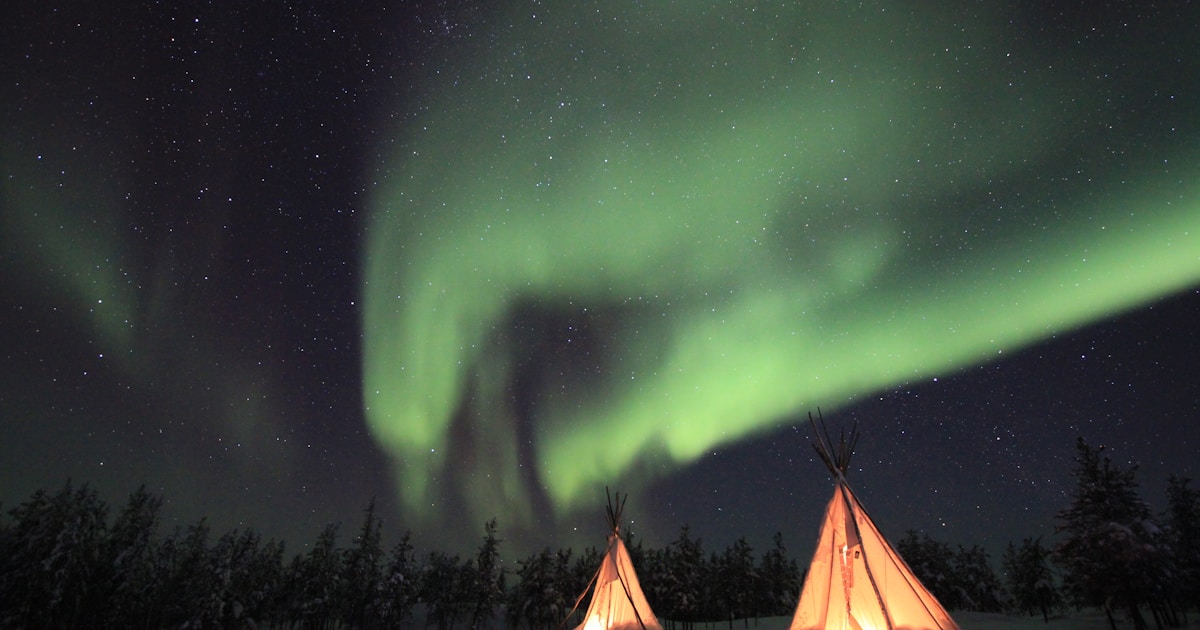
Yellowknife's aurora viewing camps are a unique Canadian experience. Heated teepees or cabins on the frozen Great Slave Lake provide a warm refuge between aurora bursts. Hot drinks and snacks included. Guides monitor conditions and wake you if you've dozed off and the aurora appears.Indigenous Experiences
Canada's aurora destinations offer rich indigenous cultural experiences — Dene and Métis in the Northwest Territories, Inuit in Nunavut, First Nations in the Yukon. Engage respectfully and book with indigenous-owned operators when possible.Frequently Asked Questions
How should you read Yellowknife success-rate claims?
Over a 3-night stay, yes — this is backed by tourism board data. The combination of position under the auroral oval, clear continental skies, and flat terrain makes Yellowknife one of the most reliable aurora destinations in the world. A single night is a fragile plan because cloud or quiet geomagnetic conditions can remove the only viewing window.How do I get to Churchill?
No roads reach Churchill. Options: fly from Winnipeg (2.5 hours, Calm Air or Canadian North) or take the VIA Rail train from Winnipeg (approximately 48 hours). The train journey through the taiga and tundra is spectacular but slow.Can I combine polar bears and northern lights in Churchill?
Yes — the brief overlap is October–November. Polar bear season peaks in October–November when bears gather on the Hudson Bay coast waiting for sea ice. Aurora season begins in September. The overlap gives roughly 6 weeks of both.Is Canada better than Scandinavia for northern lights?
Canada offers clearer skies and arguably better aurora probability (Yellowknife vs. most Scandinavian destinations). Scandinavia offers more dramatic landscapes, better infrastructure, warmer temperatures, and easier access from Europe. For sheer aurora reliability: Canada wins. For overall experience: it depends on your priorities.What's the best Canadian destination for a first-timer?
Yellowknife. Excellent aurora probability, good tour infrastructure, accessible (daily flights from southern Canada), and the viewing camps make it comfortable even in extreme cold. Whitehorse is a good alternative if you're on the west coast.Explore all our Canada destinations for detailed guides to each location.