Spring Equinox Aurora Viewing: Why March Is the Best Month for Northern Lights
The spring equinox triggers a surge in aurora activity that many travellers miss. Here's why late March delivers some of the best northern lights displays of the year — and how to plan your trip.
Find a tour for your trip
Affiliate disclosure: PolarTourist may earn a commission if you book through these links. We select tours independently for their itinerary fit, not as firsthand reviews. Read our affiliate policy.
A minibus option for a Tromsø aurora evening, with photos included and city-centre hotel drop-off. Consider it if those logistics fit your itinerary.
Operator:
Arctic Breeze AS
Duration:
6 hours
Meet:
Outside Dock Hotel, Tromsø
Drop-off:
Hotels in Tromsø city centre
Not suitable for children under 10. Northern lights sightings are never guaranteed, and the trip may run in poor weather. Check current availability, meeting instructions and booking terms before paying.
A local Abisko photography option with up to eight guests and a DSLR camera. Walking, van or sleigh transport depends on conditions; it is not a Kiruna departure.
Operator:
Lights Over Lapland
Duration:
4 hours
Meet:
Hotel pickup in Abisko or Björkliden only — not Kiruna
Drop-off:
Listed local hotels in Abisko or Björkliden; confirm your property
Sightings are never guaranteed; no no-sighting refund or retry policy is stated. Not suitable for under-10s. Walking in snow and cold is common; discuss physical limitations with the operator and wear warm boots. Confirm dates and pickup.
A dedicated, long-distance aurora chase with professional photos and hotel transfers. This is a long overnight outing, not a short evening tour.
Operator:
Arctic Night Tours
Duration:
8–12 hours; varies with the search route
Meet:
Fairbanks hotel pickup; confirm coverage and changing start time
Drop-off:
Fairbanks hotel drop-off included
Allow 8–12 hours; route, start time and duration can change. Sightings are never guaranteed; no formal no-sighting refund or retry is stated. Age limits and accessibility eligibility are not specified, so confirm with the operator rather than assuming suitability. Check date availability and terms.
Listing details checked ; details can change.
Spring Equinox Aurora Viewing: Why March Is the Best Month for Northern Lights
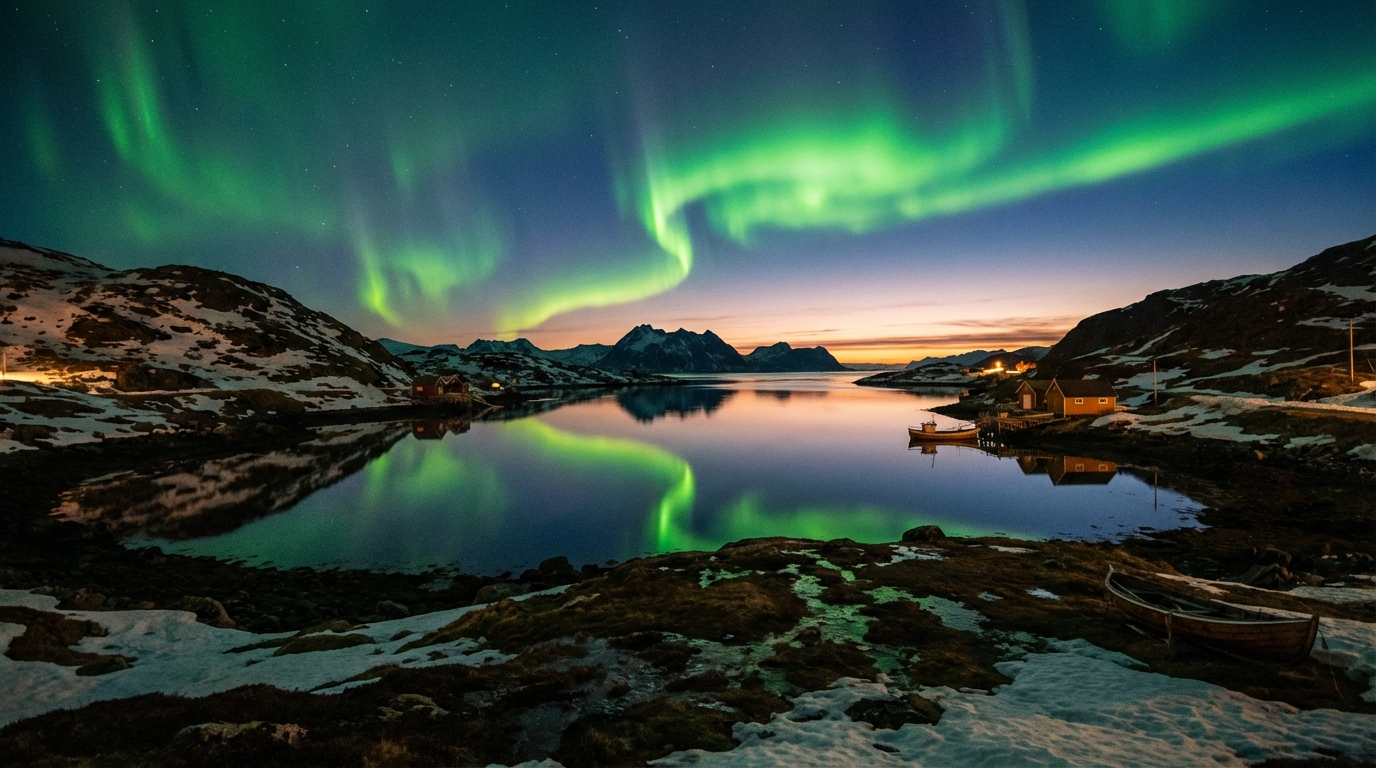
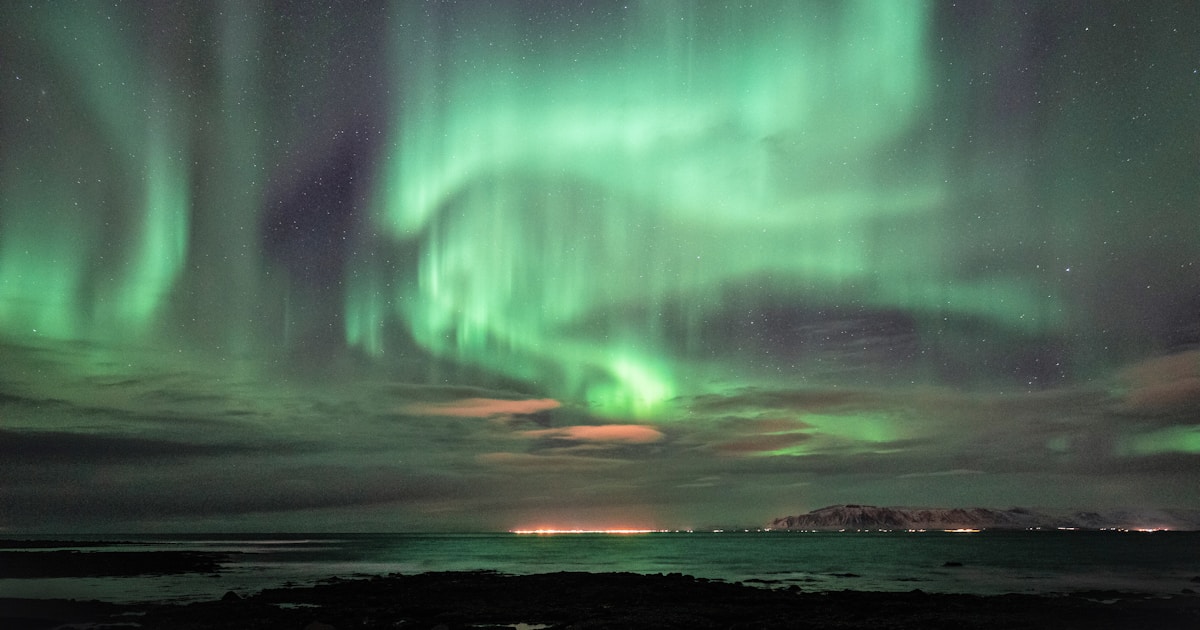
Tromsø, Norway: aurora-focused scenery from one of the destinations covered in this guide. Source: Jonatan Pie
Ask most people when to see the northern lights and they'll say deep winter — January, maybe December. Dark skies, polar night, maximum darkness. It makes intuitive sense.
But aurora scientists and serious photographers know a different truth: the equinoxes — March and September — are statistically strong months for geomagnetic storms and dramatic aurora displays. This isn't folklore; it's physics. If you are planning the autumn version, use the September northern lights guide alongside this March guide. If your trip slips later into spring, compare it with the April northern lights guide, because darkness drops quickly after the March window.
The Equinox Effect: Why March Produces Stronger Auroras
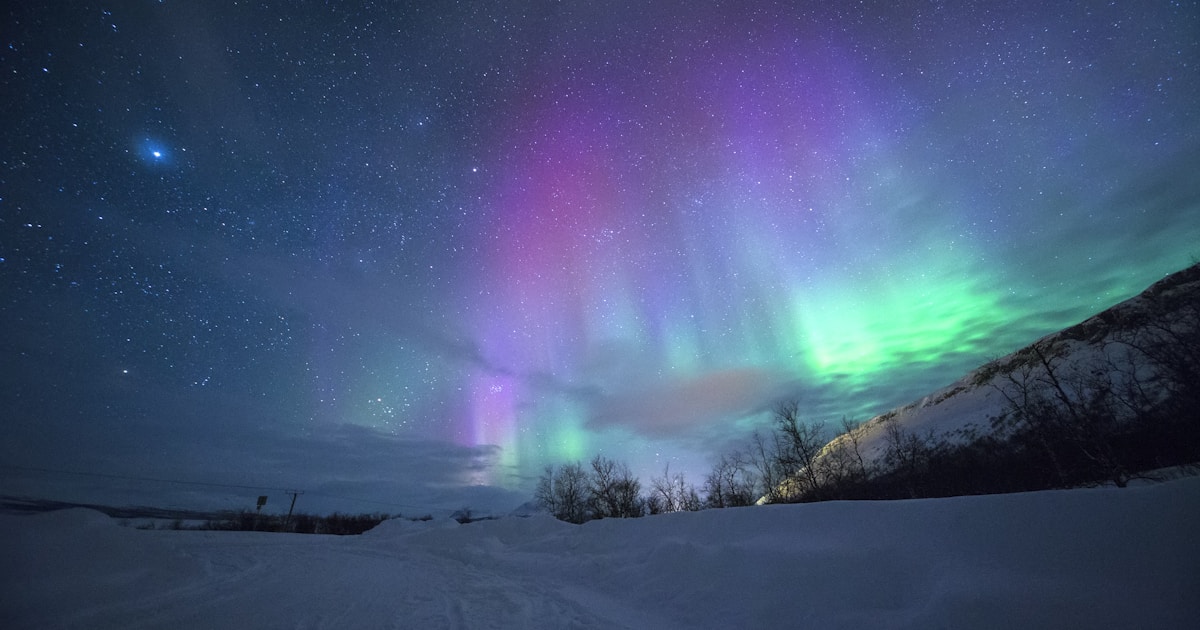
Rovaniemi, Finland: aurora-focused scenery from one of the destinations covered in this guide. Source: Unsplash
The connection between equinoxes and aurora activity was first documented in the 1970s and has been confirmed repeatedly since. It's called the Russell-McPherron effect, and here's how it works:
Earth's magnetic field has a specific orientation relative to the sun. During the equinoxes, this orientation aligns in a way that allows solar wind particles to penetrate more easily into our magnetosphere. The result: more particles reach the upper atmosphere, and auroras become brighter, more frequent, and visible at lower latitudes.
The numbers are significant. Historical geomagnetic records show a recurring equinoctial pattern, with March and September often more active than the solstice months; the effect does not translate into a fixed sighting probability for one trip. The spring equinox in 2026 falls on March 20th, putting the entire second half of March in the statistical sweet spot.
Solar Maximum Makes It Even Better
Solar Cycle 25 has produced major geomagnetic storms, but cycle phase and equinox season still cannot predict a display on a particular night. During previous solar maxima, the equinox months have produced some of the most memorable aurora events on record — including displays visible as far south as Spain and the Caribbean.
March Advantages Beyond the Science
Reykjavik, Iceland: aurora-focused scenery from one of the destinations covered in this guide. Source: Unsplash
The equinox effect alone makes March compelling, but there are practical benefits too:
Warmer Temperatures
Standing outside for 2-3 hours photographing auroras is substantially more pleasant at -5°C than at -25°C. March brings the first hints of spring to Arctic destinations:
Tromsø: Average -3°C (versus -6°C in January)
Rovaniemi: Average -9°C (versus -16°C in January)
Fairbanks: Average -8°C (versus -20°C in January)
Reykjavik: Average 1°C (versus -1°C in January)
You'll still need proper cold-weather gear, but the extreme deep-freeze of polar winter is easing.
Returning Light for Daytime Activities
Polar night is atmospheric, but by March, destinations inside the Arctic Circle are experiencing 10-14 hours of daylight. This opens up daytime activities — dog sledding in actual daylight, glacier hiking with visible scenery, snowmobile safaris through sunlit forests.
The darkness you need for aurora viewing still arrives reliably by 8-9 PM and persists until 4-5 AM.
Stable Snow Conditions
March typically offers the best snow conditions of the winter season. The snowpack has built up over months, coverage is deep and consistent, and temperatures are still cold enough to prevent significant melting. It's prime time for:
Snowshoeing
Cross-country skiing
Dog sledding and husky safaris
Snowmobile tours
Ski touring and ski mountaineering
Lower Prices and Fewer Crowds
The Christmas/New Year rush is over, school holidays have finished in most countries, and aurora tour operators are past peak season. March often brings:
15-25% lower accommodation prices than December-February
Easier availability at popular lodges
Smaller tour group sizes
Last-minute booking flexibility
Where to Go in March
March works well across all major northern lights destinations, but some shine particularly bright:
Tromsø, Norway
Tromsø remains the gold standard. The city's extensive tour infrastructure runs at full capacity through March, clear-sky statistics are excellent, and the warmer temperatures make aurora chasing more comfortable. March also brings the first possibilities of combining aurora with whale watching as orca and humpback whale activity increases.
March specifics: ~10 hours darkness, average temp -3°C, high aurora probability
Abisko, Sweden
The famous Abisko microclimate — created by nearby Lake Torneträsk — produces some of Scandinavia's clearest skies. The Aurora Sky Station operates through late March, and the combination of reliable clear weather with equinox-enhanced solar activity makes this arguably the statistically optimal aurora destination.
March specifics: ~11 hours darkness, average temp -7°C, very high aurora probability
Lyngen Alps, Norway
For photographers and adventurers seeking dramatic scenery, Lyngen delivers some of the most spectacular aurora backdrops on Earth. The snow-capped peaks reflected in the fjord, combined with March's enhanced geomagnetic activity, create extraordinary opportunities.
March specifics: ~10 hours darkness, average temp -3°C, high aurora probability
Inari, Finland
Inari offers cultural depth alongside outstanding aurora viewing. Lake Inari remains frozen in March, providing pristine foregrounds for photography. The Sami Easter Festival typically falls in late March or April, adding cultural significance to visits.
March specifics: ~11 hours darkness, average temp -9°C, high aurora probability
Fairbanks, Alaska
Fairbanks sits directly under the auroral oval and benefits fully from equinox enhancement. The Chena Hot Springs remain a popular aurora viewing spot, and March temperatures are substantially milder than the brutal January/February cold.
March specifics: ~12 hours darkness, average temp -8°C, very high aurora probability
Iceland
Iceland's weather remains unpredictable, but March offers improved odds compared to midwinter. Snæfellsnes provides iconic foregrounds like Kirkjufell, while Akureyri in the north tends to have clearer skies than Reykjavik.
March specifics: ~10 hours darkness in Reykjavik, average temp 1°C, medium aurora probability
Planning Your March Aurora Trip
Timing Within March
The equinox effect builds toward March 20th, so the second half of the month is statistically slightly better. But solar activity is inherently unpredictable — a strong coronal mass ejection can produce spectacular aurora at any point.
Practical considerations:
Early March (1-10): Deep winter conditions persist, darker skies, slightly colder
Mid-March (10-20): Transition period, days lengthening noticeably
Late March (20-31): Equinox window, optimal solar alignment, warmer temperatures
For 2026, consider timing around March 15-25 to catch the equinox window with several days' buffer for weather variability.
How Many Nights?
Allow four or five nights when possible so one cloudy or quiet night does not decide the trip, but do not treat that duration as a guaranteed percentage. Weather remains the primary variable even with enhanced solar activity.
If your schedule is tight, prioritise destinations with statistically clearer skies: Abisko, Fairbanks, and inland Finland outperform coastal Iceland.
Booking Considerations
Accommodation: March demand is lower than peak winter, but popular aurora lodges (Kakslauttanen, Aurora Sky Station, Lyngen Lodge) still fill up. Book 2-3 months ahead for specific dates.
Tours: More last-minute flexibility than December-February, but guided aurora chases and premium experiences should still be reserved in advance.
Flights: Shoulder-season pricing applies. Watch for deals to Tromsø, Kiruna/Luleå (for Abisko), and Fairbanks.
Gear Adjustments for March
March's milder temperatures mean you can dial back the extreme cold gear slightly:
Boots: Still need cold-rated footwear, but -20°C rated is usually sufficient (versus -30°C or lower for January)
Layers: Standard three-layer system works well. Heavy expedition down parkas are optional rather than essential.
Accessories: Hand and toe warmers remain useful for extended photography sessions
March's longer twilight creates opportunities for combining aurora with richer sky colours:
Blue Hour Bonus
Unlike deep winter's abrupt transition from day to night, March offers extended blue hour periods. Aurora can appear while the horizon still holds traces of deep blue, creating layered colour palettes impossible in polar night.
Plan to be in position 30-45 minutes before full darkness to catch these transition moments.
Foreground Options
Snow-covered landscapes provide bright, reflective foregrounds that work well with green aurora. As March progresses, look for:
Ice formations on lakes and fjords
Snow-laden trees (especially in Finland)
Mountain reflections in partially unfrozen water
Early returning wildlife (reindeer herds are active)
Camera Settings for March
Standard aurora settings apply:
ISO: 1600-3200
Aperture: f/2.8 or wider
Shutter: 8-15 seconds (longer for faint displays)
The slightly lighter sky conditions early in the night may require adjusting exposure downward.
March 2026: What to Expect
Strong post-maximum storms remain possible in 2026–2027, but the cycle does not provide a reliable forecast for one trip. Combined with the equinox effect, March 2026 should deliver:
Strong possibility of Kp 7+ severe storms (aurora visible to mid-latitudes)
Enhanced display frequency — expect viewable aurora on most clear nights
The last comparable period (Solar Cycle 24 maximum + equinox, March 2014) produced multiple nights of extraordinary displays across Scandinavia and North America.
The Case for March
March offers a useful intersection of equinox-season geomagnetic activity, remaining darkness, improving daylight and established winter-trip infrastructure; snow, prices and crowds still vary by destination. It's arguably the single best month for northern lights viewing — and certainly the most underrated.
The conventional wisdom points to January and February. But the science, and experienced aurora hunters, know that March delivers results.
If you've been waiting for the right moment to plan your northern lights trip, the spring equinox window is it.
Ready to plan? Explore our destination guides for Tromsø, Abisko, Rovaniemi, and Fairbanks — all excellent choices for March aurora viewing.