Iceland vs Norway for Northern Lights: Data, Costs, and Weather Compared
This page is the evidence-led comparison. If you already know you want one of these two countries and need a direct recommendation, use the Iceland vs Norway decision guide. If you want the underlying tradeoffs, start here.
Executive Verdict
Norway is the stronger northern lights bet because Tromso, Alta, Senja, Lyngen, and Svalbard sit deeper under the auroral oval than Iceland's main visitor hubs. Iceland is the stronger all-round short break because direct flights, geothermal landscapes, glaciers, waterfalls, and self-drive routes make it easier to build a varied 3-5 day trip.
The right choice depends on what failure would feel like. If missing the aurora would ruin the trip, lean Norway. If the trip should still feel successful in cloudy weather, Iceland is easier to justify.
Side-by-Side Scorecard
| Factor | Iceland | Norway | Edge |
|---|---|---|---|
| Aurora probability | Good in the north; weaker near Reykjavik | Excellent around Tromso, Alta, Senja, Svalbard | Norway |
| Clear-sky flexibility | Self-drive helps, but Atlantic storms move fast | Coastal weather changes quickly; inland Alta and Abisko corridor help | Norway |
| Short-trip logistics | Direct flights and compact routes | Tromso is simple; Lofoten/Svalbard add connections | Iceland |
| Non-aurora backup plans | Hot springs, glaciers, waterfalls, ice caves | Fjords, whales, huskies, Sami culture, snowmobiling | Depends |
| Photography foregrounds | Waterfalls, ice beaches, volcanic terrain | Fjords, mountains, fishing villages, beaches | Depends |
| Guided tour market | Strong from Reykjavik and Akureyri | Very strong from Tromso | Draw |
| Self-drive simplicity | Strong if winter driving is acceptable | Good around Tromso; harder in storms and islands | Iceland |
Aurora Probability
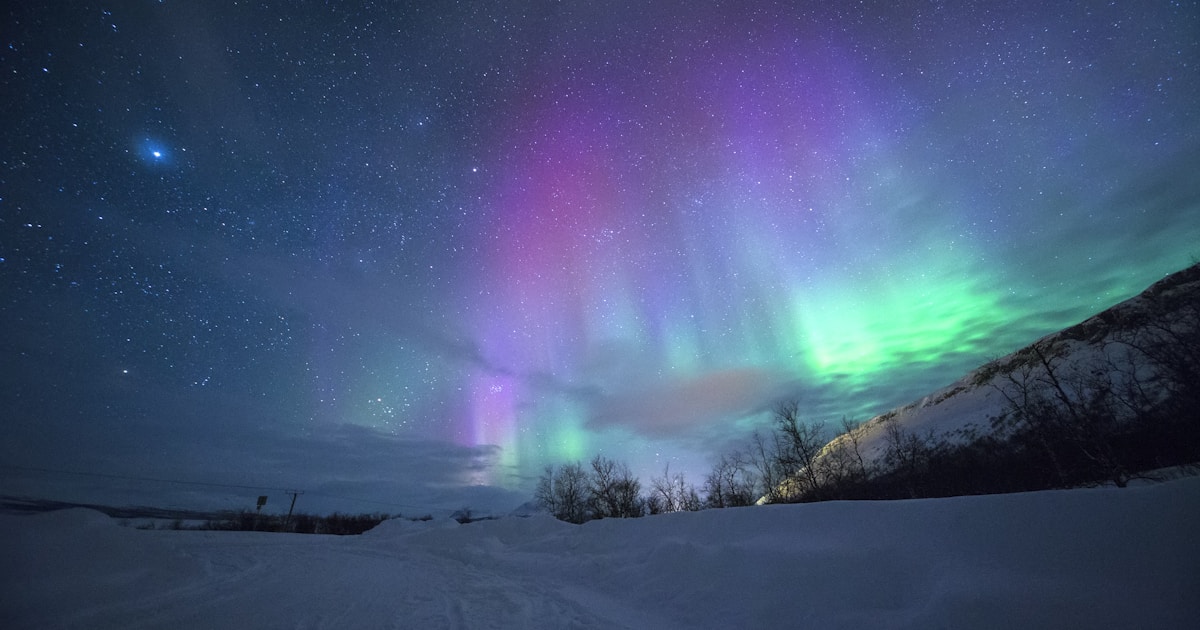
Norway wins on latitude. Tromso sits around 69.6 degrees north, Alta is also well placed, and Svalbard is much farther north again. These places are close to or inside the auroral oval on many ordinary nights, so low-to-moderate geomagnetic activity can still produce visible displays.
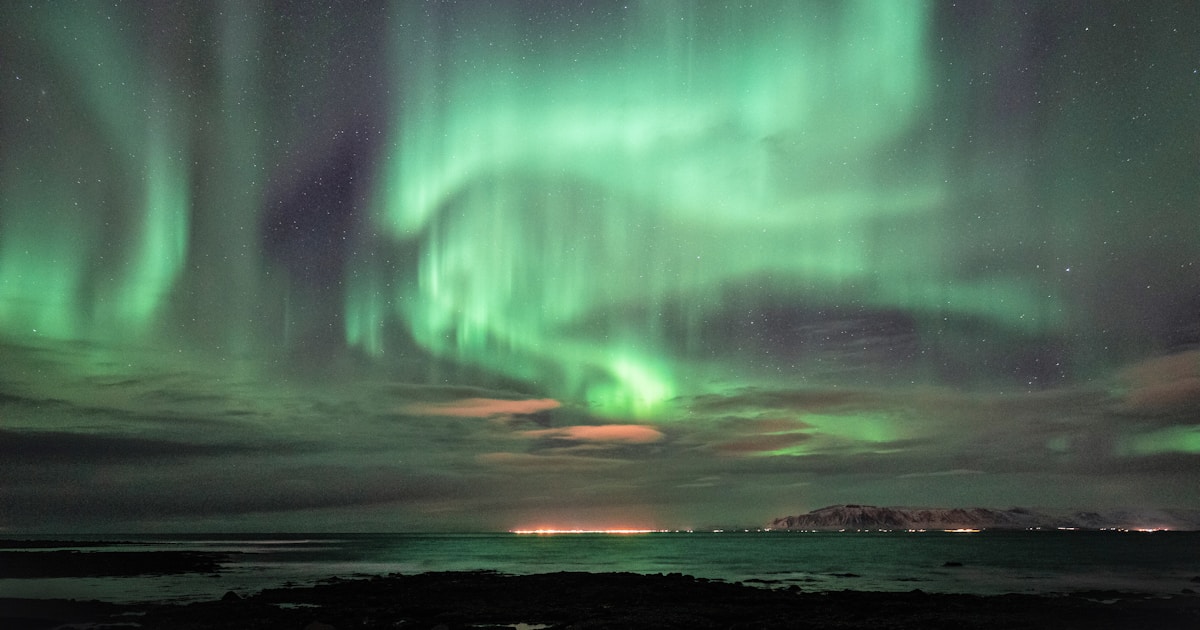
Iceland can be excellent, especially around Akureyri, Myvatn, the north coast, and dark southern coast locations during stronger activity. Reykjavik is convenient but less statistically powerful: city light pollution, lower latitude, and frequent cloud mean most serious aurora plans involve leaving town.
The practical difference is this: in Norway, a normal winter night with broken cloud can be enough. In Iceland, the same night often needs better timing, a clearer gap, or a stronger display.
Weather and Cloud Risk
Cloud is the real opponent in both countries. Iceland's weather is oceanic and changeable, with Atlantic systems crossing the island quickly. This can help if you are mobile because one region may clear while another is socked in, but it can also make short trips frustrating.
Northern Norway has coastal weather too, especially around Tromso and Lofoten. The advantage is choice: tours can drive inland toward drier valleys, Alta has a more continental feel than the coast, and the wider region offers several microclimates within a long evening chase.
For a three-night trip, Norway's latitude gives it the better margin. For a seven-night self-drive, Iceland's route flexibility becomes more competitive.
Cost Comparison
Neither country is cheap. The difference is where the money goes.
| Cost Area | Iceland | Norway |
|---|---|---|
| Flights from North America | Often cheaper and more direct | Usually requires a connection |
| Flights from Europe | Often competitive | Competitive to Oslo; Tromso varies |
| Accommodation | Reykjavik and south coast can be expensive | Tromso peaks hard in winter |
| Car rental | Useful for almost every itinerary | Optional in Tromso, useful outside the city |
| Activities | Glacier and ice cave tours add up | Husky, whale, snowmobile, and chase tours add up |
| Food | Expensive | Expensive |
Activity Depth
Iceland is better for geological variety. A winter itinerary can combine the aurora with hot springs, ice caves, glacier hiking, waterfalls, black sand beaches, lava fields, and the Golden Circle. It is an easy country to enjoy even when the sky is cloudy.
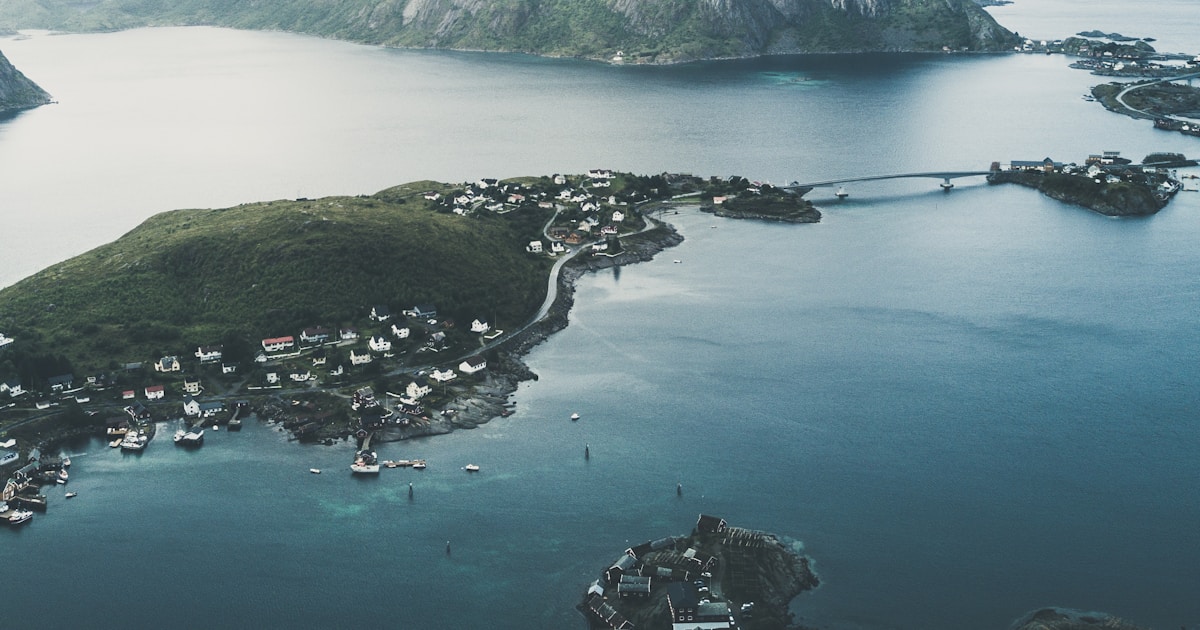
Norway is better for Arctic atmosphere. Tromso, Lyngen, Senja, Lofoten, Alta, and Svalbard offer fjords, mountain coastlines, dog sledding, reindeer and Sami experiences, whale watching in the right season, and more remote-feeling winter landscapes.
For first-time polar travellers who want a dense sampler, Iceland is hard to beat. For travellers who want the trip to feel properly Arctic, Norway usually feels deeper.
Photography Comparison
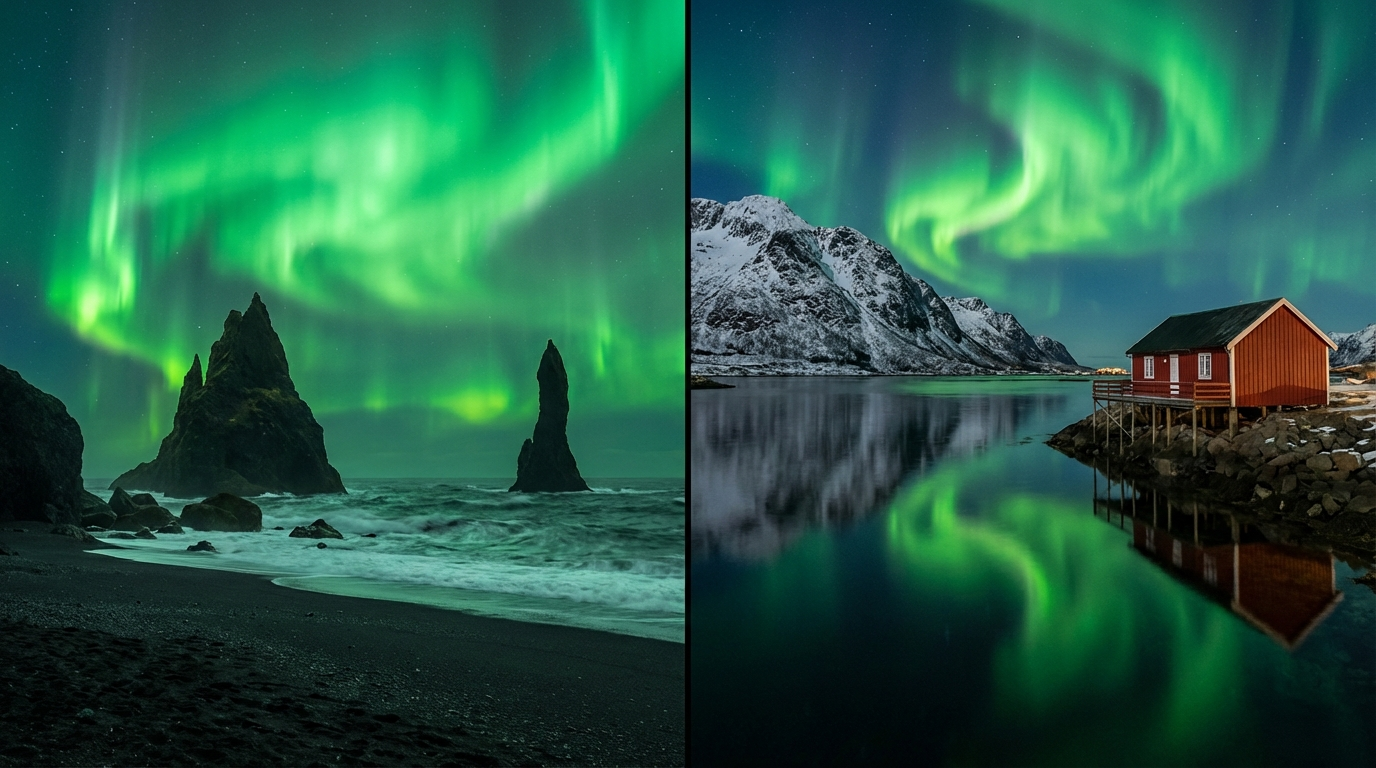
Iceland gives photographers dramatic foregrounds that are easy to understand: waterfalls, ice chunks on black sand, glacial lagoons, volcanic ridges, and lonely churches. The challenge is wind, spray, crowds, and rapidly changing road conditions.
Norway gives photographers cleaner aurora geometry: fjords reflecting green arcs, sharp mountains, fishing huts, and beaches in Lofoten or Sommaroy. The challenge is reaching the best compositions in winter darkness and dealing with coastal snow squalls.
If the goal is iconic landscape variety, Iceland is stronger. If the goal is aurora-first composition, Norway has the edge.
Best Itineraries by Trip Length
3-4 Nights
Choose Iceland if direct flights make the schedule easy and you want Reykjavik plus the south coast or Golden Circle. Choose Norway if you can fly into Tromso efficiently and are willing to book guided aurora chases.
5-7 Nights
Iceland becomes a stronger road-trip option: Reykjavik, Golden Circle, south coast, and either Snaefellsnes or Myvatn. Norway can build a richer Arctic trip around Tromso, Lyngen, Senja, or Alta.
8+ Nights
Norway pulls ahead for aurora specialists because you can combine Tromso with Senja, Lofoten, Alta, or Svalbard. Iceland still works well for a longer Ring Road plan, but winter road closures and storms require more buffer.
Who Should Choose Iceland?
- Travellers who want the trip to work even without aurora
- North American travellers with direct flight options
- First-time visitors who want hot springs, waterfalls, glaciers, and lights in one trip
- Self-drivers comfortable with winter conditions
- Photographers who want varied geological foregrounds
- Short-break travellers who prefer fewer flight connections
Who Should Choose Norway?
- Travellers whose main goal is seeing the aurora
- People who want Tromso's strong guided-tour infrastructure
- Photographers prioritising fjords, mountains, and coastal villages
- Wildlife-focused travellers visiting during whale season
- Travellers who want Sami culture, reindeer, huskies, snowmobiling, and a stronger Arctic feel
- Anyone willing to trade some logistics for a better aurora margin
Final Recommendation
Choose Norway for the highest aurora probability and a more Arctic-feeling trip. Choose Iceland for the stronger all-weather holiday and simpler transatlantic logistics.
The most common mistake is treating both countries as interchangeable aurora products. They are not. Iceland is a spectacular winter road trip where the aurora may be the highlight. Norway is a stronger aurora trip where the Arctic setting is the product.
Next: use the shorter which-to-choose guide if you want a fast decision, or compare specific destinations in the Iceland vs Norway comparison tool.